38 Updated Laundry Room Ideas 2026: Fresh Designs for Modern, Functional Spaces”

For a lot of Americans, the laundry room quietly became the next big home project. Between TikTok cleaning clips, Pinterest boards, and the real-life chaos of kids, pets, and weekend chores, people want laundry spaces that look calm, work hard, and feel current. These updated laundry room ideas for 2026 focus on small footprints, smart storage, and softer style, so you can scroll for inspiration and then actually translate it into your own house or apartment.
1 Small Bathroom Laundry Combo That Works
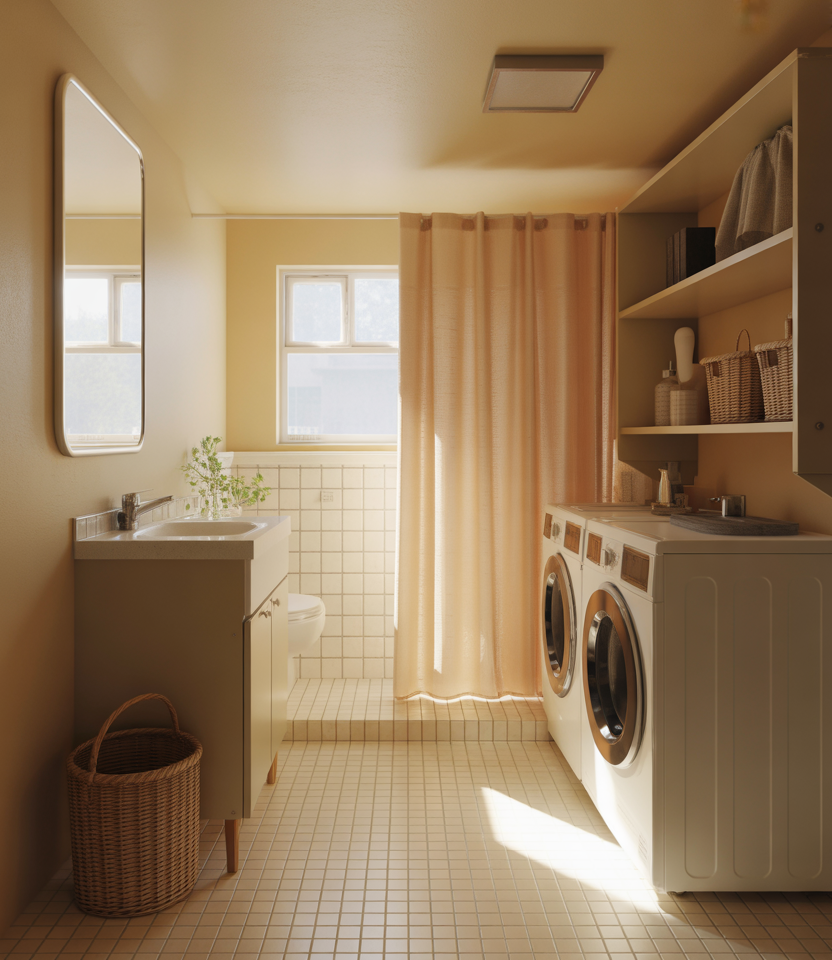 When space is tight, a combined small bathroom/laundry can be the most realistic way to carve out a laundry zone. Think of one wall with a slim sink, under-counter storage, and a floating shelf above the machines. Use simple tile, light paint, and a shower curtain with just a little pattern so the room feels calm, not chaotic, even when baskets start to pile up on busy days.
From a practical insight angle, treat this combo room like a tiny kitchen: give every task a “station.” Keep detergents in lidded containers near the machines, stain sticks in a caddy on the vanity, and a small hook rail by the door. Shallow wall shelves over the toilet can hold extra paper goods and towels, freeing cabinet space for cleaning products and keeping the whole room safer and more organized.
2 Closet Laundries Turned Mini Studios
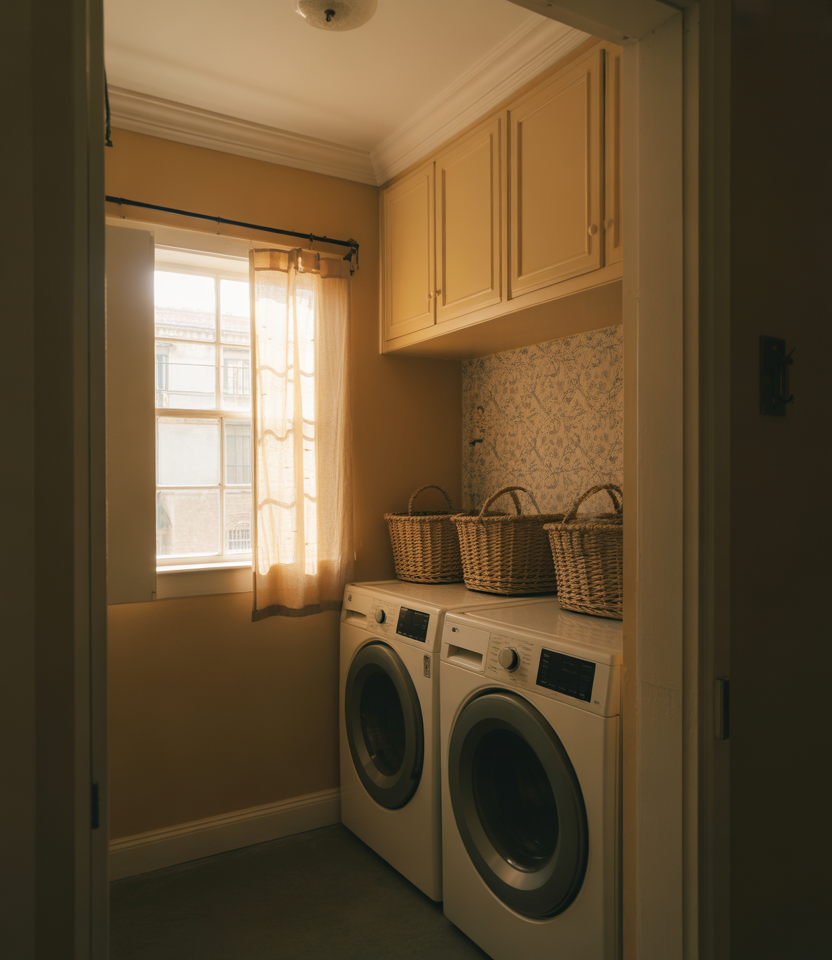 Many American homes hide laundry behind bifold doors, but a hallway closet can become a charming mini studio with a bit of intention. Add a pair of slim cabinet units above for closed decor baskets and a simple painted wall treatment at the back, like vertical stripes or beadboard. Swapping old doors for pretty paneled ones or a fabric curtain instantly upgrades what used to feel like pure utility space.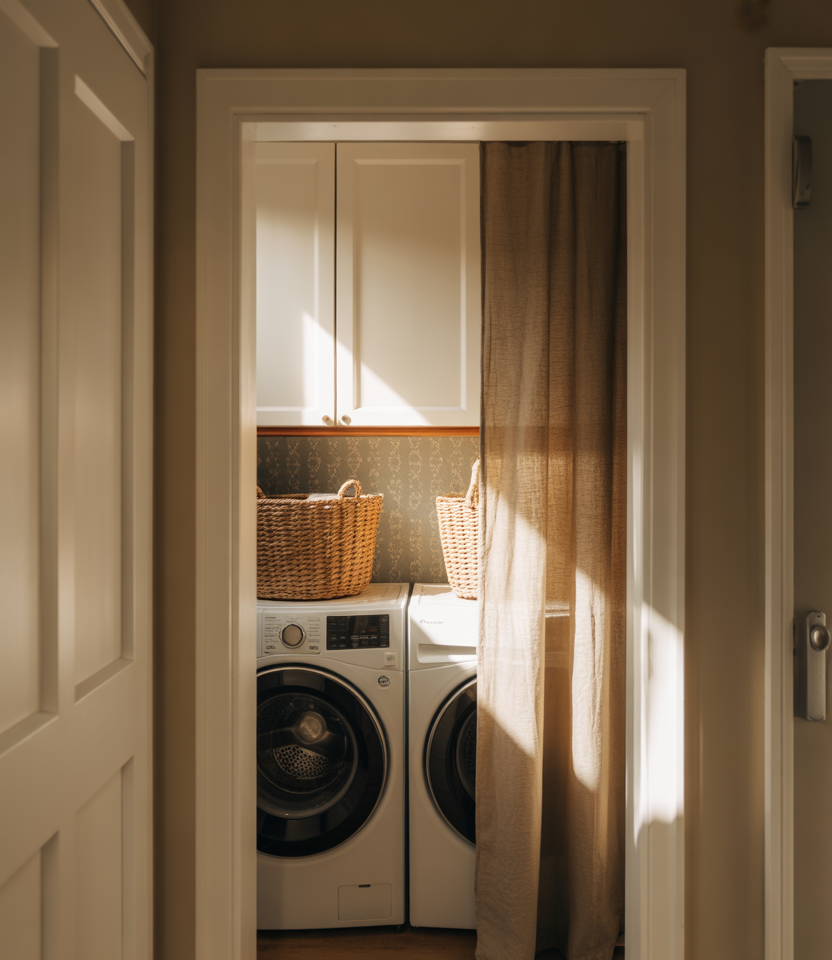
In a lot of American ranches and townhomes, this kind of closet setup sits right off the entry or kitchen, which means sound and sight lines matter. Adding a threshold rug just outside the doors, a tighter door seal, and cushioned feet under the machines can cut noise dramatically. Painting the inside a color that echoes the nearby kitchen or living room instantly ties it into the rest of the home instead of feeling like a random utility nook.
3 Stackable Sets for the Truly Tiny Home
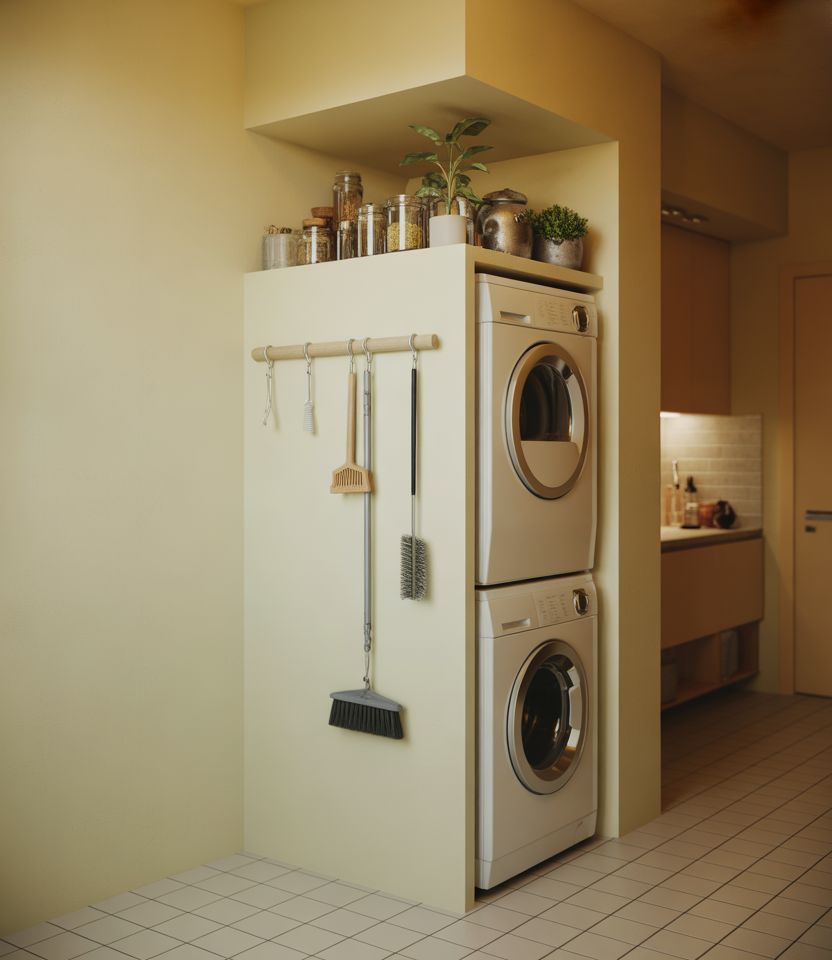 Tall machines with a stackable dryer on top are one of the best choices for tiny homes or apartments. To achieve a more intentional and integrated look, build a shallow cabinet to the front, and add hooks or a small rail to the side. Soft design details can be added to the narrow ledge above and to the adjacent niche, which is a great spot for extra stackable bins for cleaning supplies.
There is a short story I would like to share: a renter negotiated their unit to allow them to add a laundry corner to a former broom closet. What made this corner a game changer was a narrow pull-out cabinet built between the tower and wall that held dryer sheets, clothespins, and detergent. This tiny piece of storage kept everything organized and made sure that avalanches of articles were never released whenever she did a big laundry.
4 Basement Laundries With Drying Power
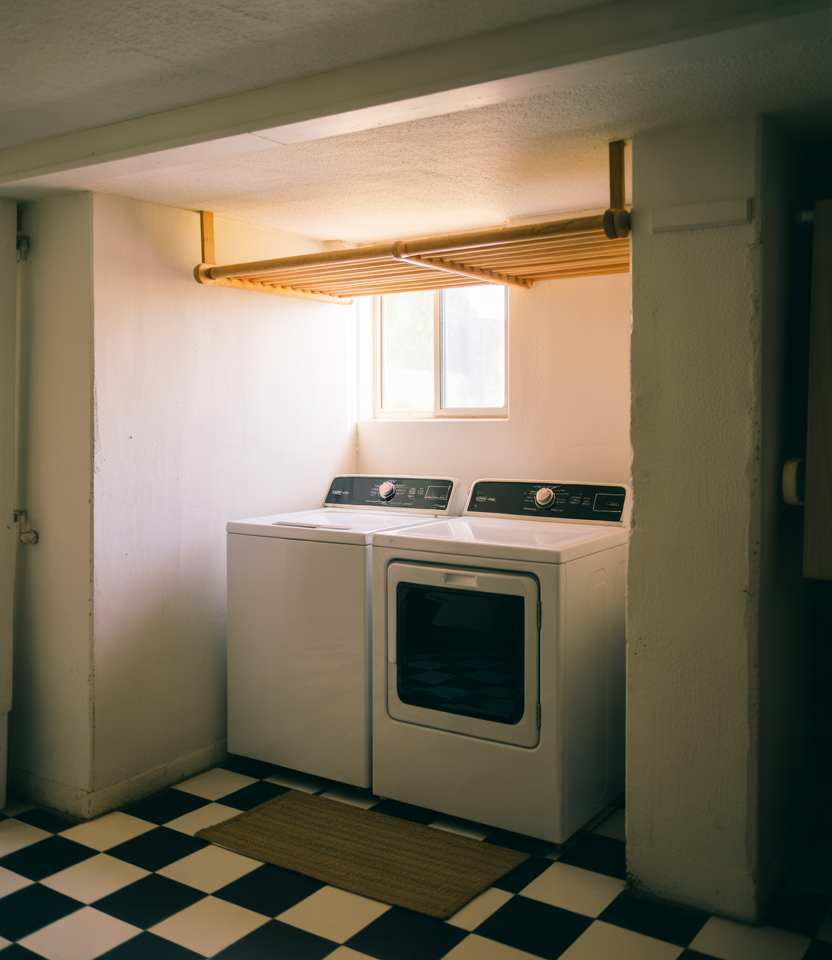 Plenty of older American homes still rely on a basic basement laundry, and that’s fine—especially if you build in a serious drying rack zone. Pair a sturdy top-load washer with a newer dryer, then frame the area with checkerboard tile underfoot and bright paint on the walls. A hanging rack above the machines turns open air into real estate for delicates and workout gear.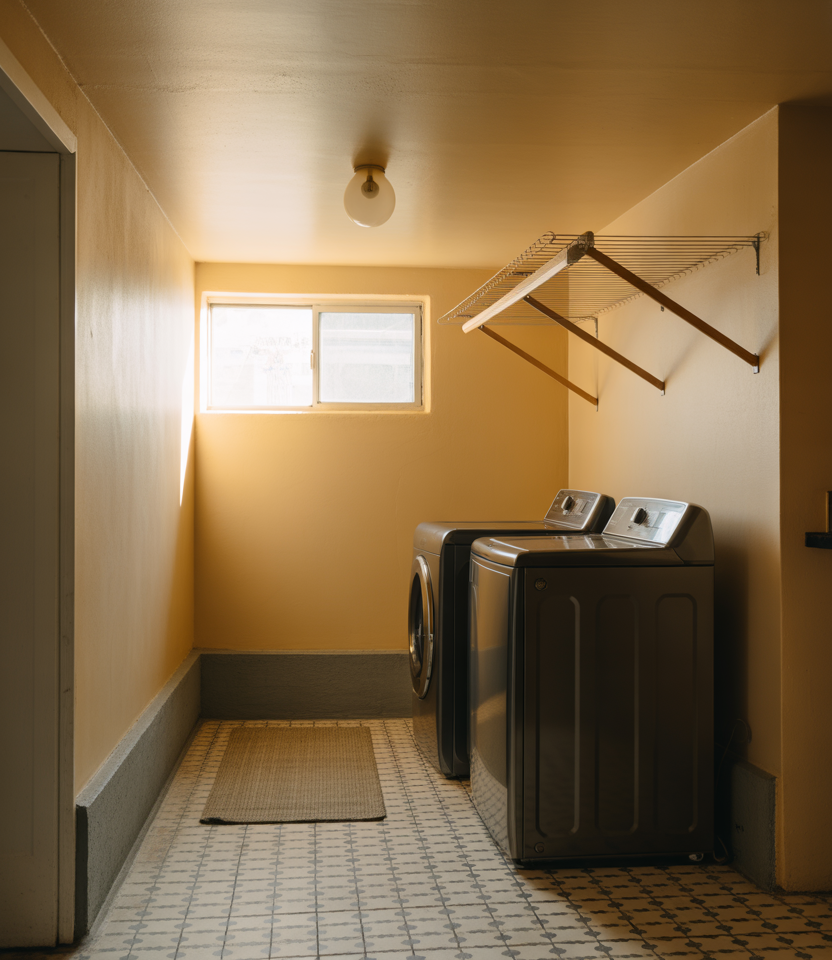
Where this setup works best is in homes with at least a bit of headroom and one small window. Natural light helps a basement feel less like a chore cave, and airflow is crucial for hanging clothes. If your ceilings are low, mount drying racks on the wall instead of overhead. Reserve the sunniest spot for air-drying jeans and heavy fabrics so they actually dry between cycles instead of staying damp and musty.
5 Soft Farmhouse Laundries With Real Warmth
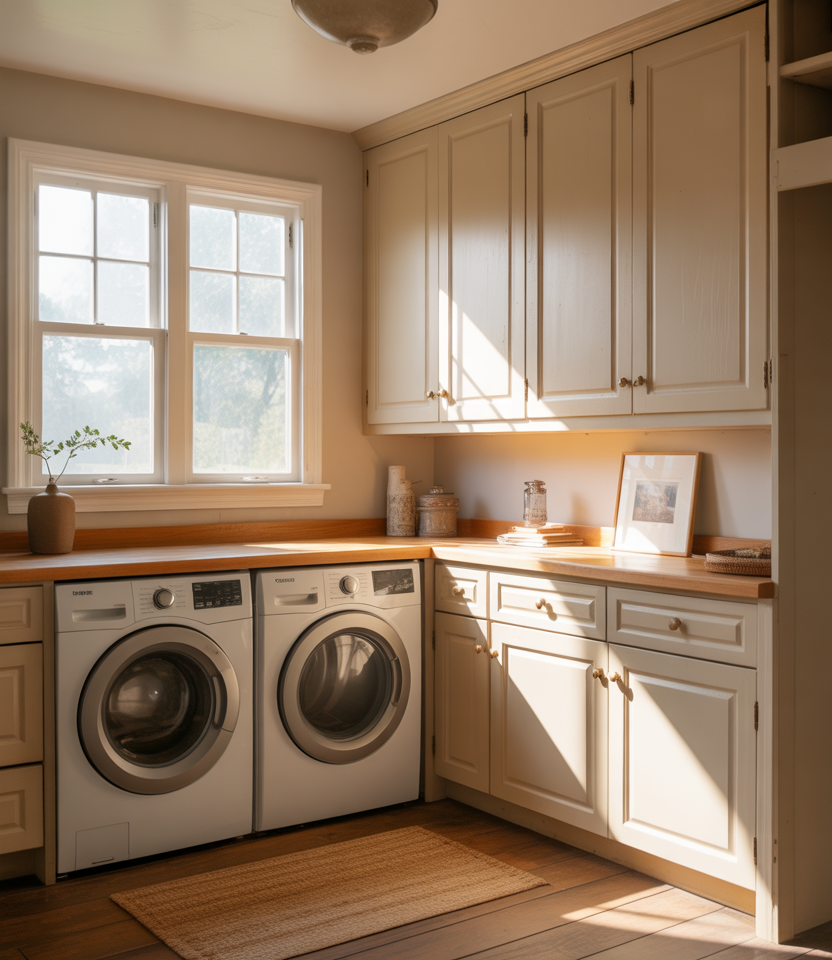 If your style leans cozy, a farmhouse-inspired laundry can feel like a tiny retreat. Think creamy shaker cabinet fronts, brushed brass hardware, and chalky white wall paint layered with gentle colors in art and textiles. Add a simple rug and maybe a vintage stool so folding doesn’t feel like punishment. It’s less about shiplap overload and more about materials that feel tactile and lived-in.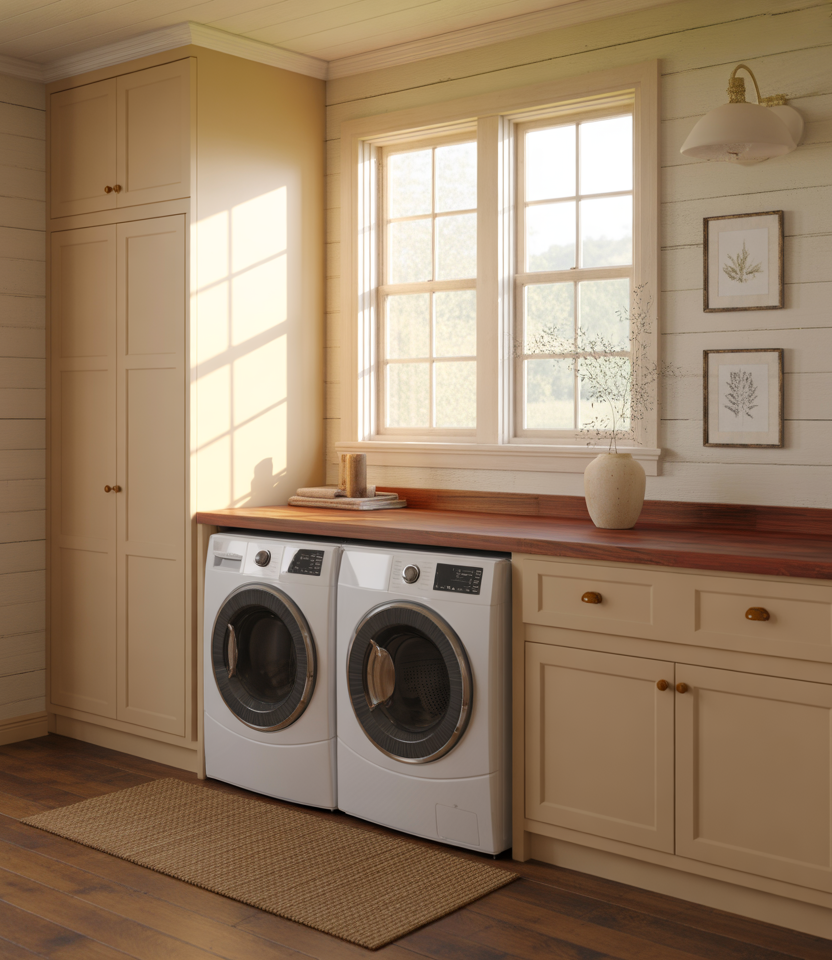
From an expert-style commentary perspective, the trick is balancing charm with cleanability. Avoid open shelving that collects lint near the machines, and choose cabinet door profiles that you can wipe easily. Natural wood counters should be sealed well against splashes. Keep your palette restrained—two main neutrals and one accent—and repeat finishes from your kitchen so the laundry feels like part of a cohesive, thoughtful whole.
6 Unfinished Basement, Finished Laundry
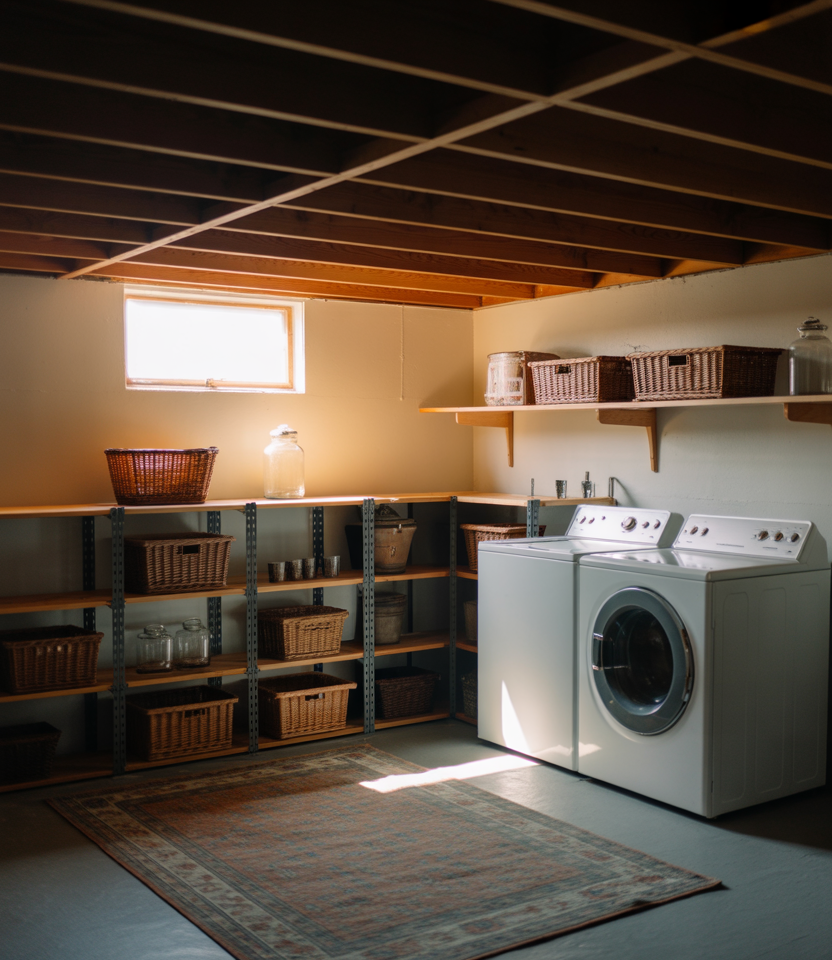 You don’t have to drywall every inch of an unfinished basement to get a pleasant laundry zone. Paint the concrete floor, run a big rug under your top loader and dryer, then add sturdy metal shelf units for labeled bins and bulk storage. String lights or simple tracks can wash the area in softer light, making late-night laundry feel less like you’re in a parking garage.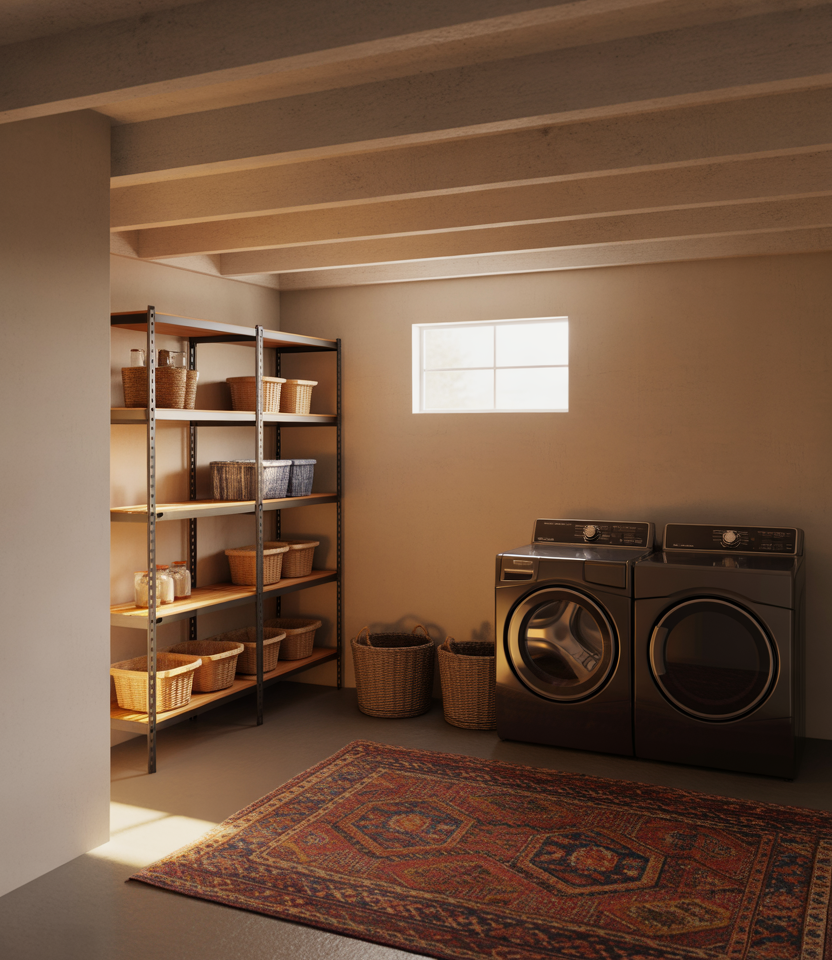
From a budget angle, this is one of the most cost-effective updates you can make. A gallon of masonry paint, an oversized indoor-outdoor rug, and a pair of affordable shelving units can completely change the mood. Instead of chasing a full remodel, concentrate dollars on good lighting and functional organizers. That way, if you later finish the basement, your laundry setup can migrate into new walls without wasting what you already bought.
7 Playful Colors in a Game-Inspired Laundry
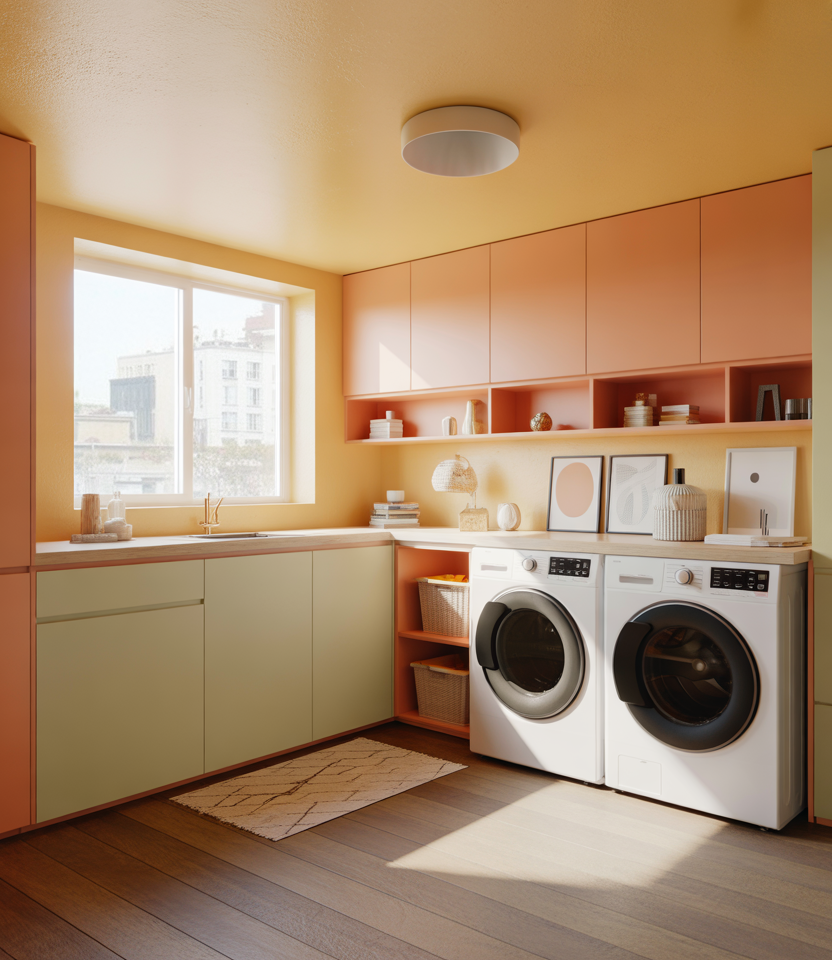 Fans of virtual building games like Bloxburg and Toca Boca often crave that same playful energy at home. One way is to treat your laundry like a mini level from a modern mansion house build, using bold colors on cabinets or backsplash while keeping machines neutral. Think blocky shapes, chunky handles, and one unexpected accent, like a checker rug or color-dipped stool, so the room feels fun but still grown-up.
Real homeowner behavior shows that people actually fold more often in rooms they like being in. When the laundry feels like a playful corner instead of a punishment chamber, you’re more likely to sort as clothes come out of the dryer and put things away the same day. A Bluetooth speaker, a favorite candle, and a small chair can turn “I’ll do it later” into a quick, pleasant ten-minute reset between other tasks.
8 Coastal-Inspired Laundries With Gentle Light
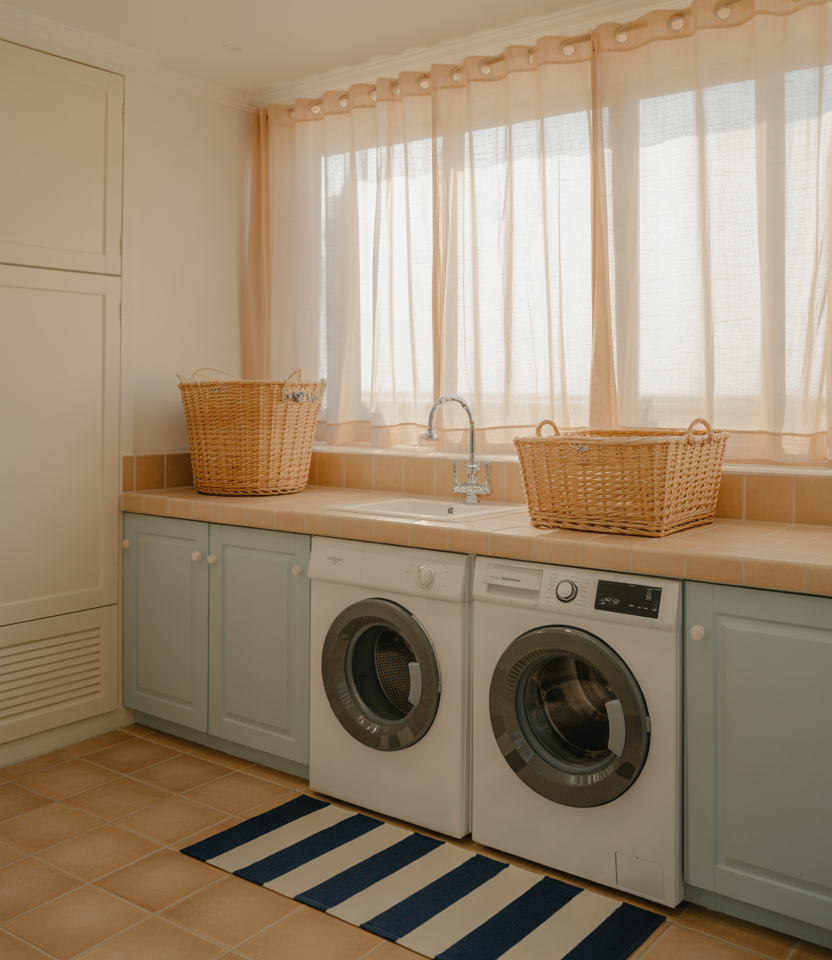 If you love breezy spaces, channel a subtle Bloxburg coastal mood in your laundry with sea-glass accents and sandy neutrals. Matte tile underfoot, soft striped textiles, and minimal decor keep things airy. Add a simple sink for handwashing swimsuits or rinsing muddy sneakers, and let light wood or rattan details keep the room from feeling like a hospital utility area.
Common mistakes here include overdoing the theme with anchors and rope details or choosing glossy finishes that show every water spot. Keep hardware simple, skip literal beach motifs, and focus on texture: woven baskets, nubby runners, and matte tile. If your laundry has no natural light, use warm-temperature bulbs and avoid stark white paint; a soft greige or blue-gray will feel much more like gentle daylight.
9 Ironing Centers Built Into the Wall
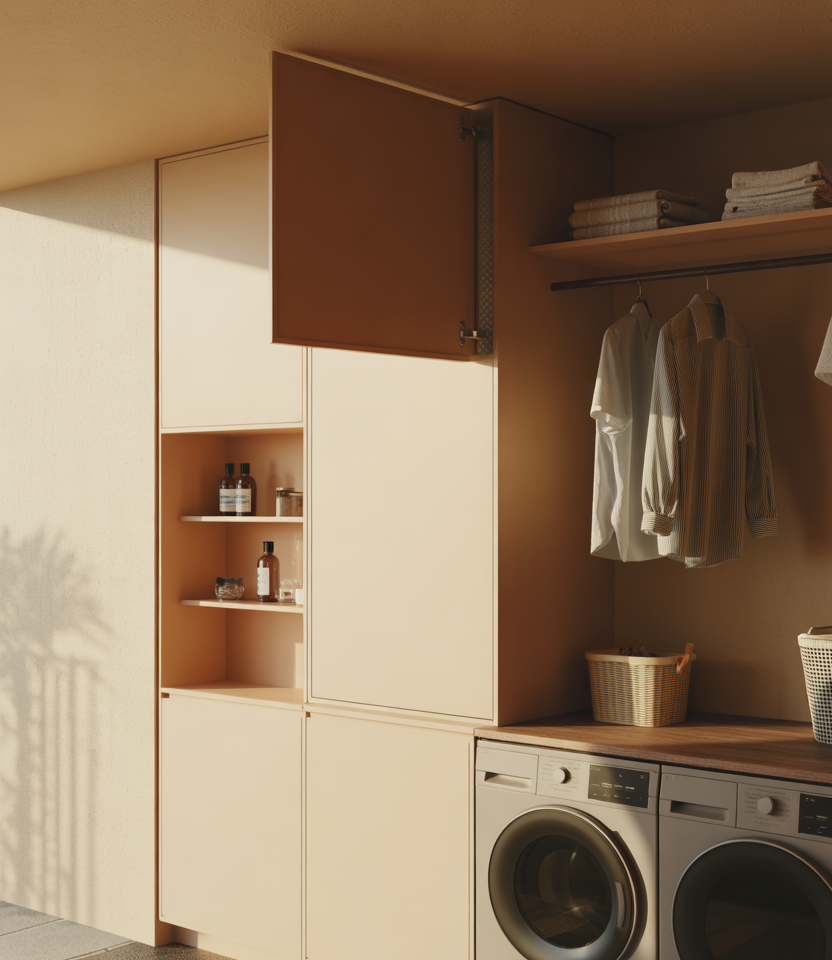 For people who still press shirts and napkins, dedicating space to an ironing board can be a luxury. A fold-out wall cabinet hides the board when you’re done, freeing floor space while adding subtle wall interest. Pair it with slim vertical storage for spray starch, distilled water, and hangers so everything you need for ironing lives in one neat, reachable column beside the machines.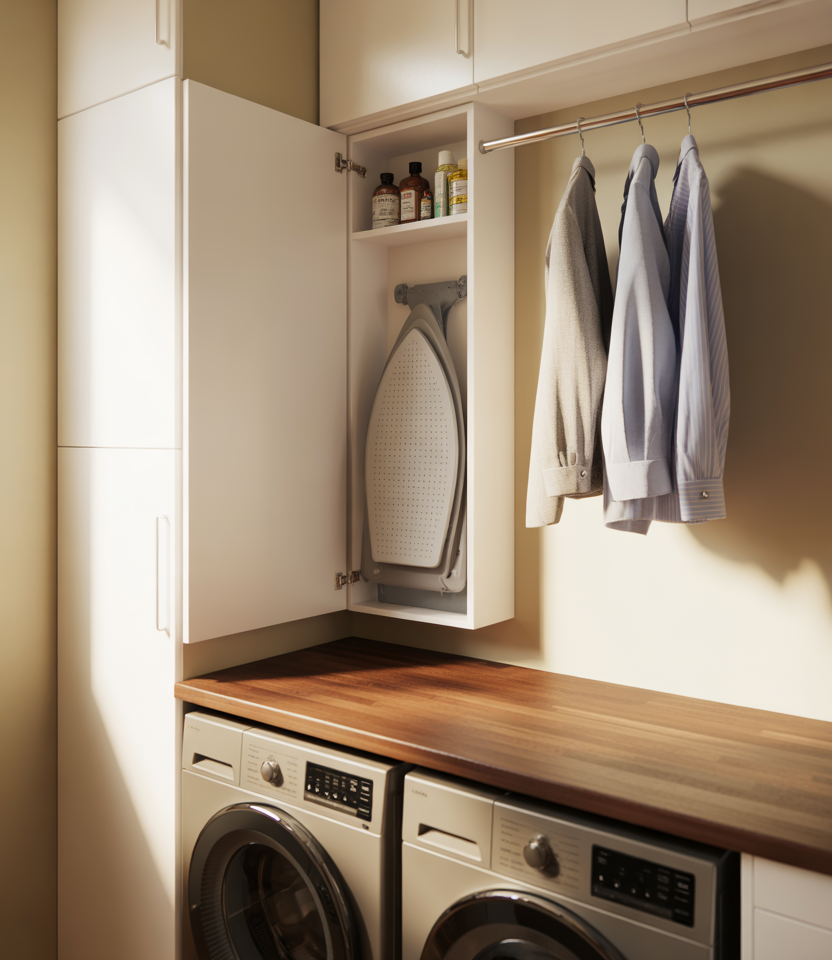
From a practical insight standpoint, the key is ergonomics. Mount the cabinet so the board sits at a comfortable height for the primary user, and make sure there’s enough clearance to move around with the board open. Place an outlet within easy reach for the iron, and add a small heat-resistant pad or shelf so the iron has a safe landing zone between presses. A nearby rod lets freshly pressed pieces hang immediately.
10 Colorful Cabinet Walls in a Compact Laundry
Even in a narrow room, you can lean into a cabinet-focused look that feels custom. Stack upper and lower units in a single run, paint them in joyful colors, and tuck a dependable top loader and dryer into the center. Repeat the cabinet hue in art or a striped rug so the whole wall reads as one thoughtful installation rather than random boxes, and tie hardware to what you already have elsewhere at home.
In many American homes, this kind of bold cabinet wall works especially well in pass-through spaces between the garage and kitchen. It acts like a hardworking mudroom and laundry in one, catching backpacks, sports gear, and weekly grocery bags. To keep it from feeling hectic, dedicate one drawer or bin per person and label discreetly. Closed storage hides the daily mess, while the strong color keeps the space from feeling purely utilitarian.
11 Hidden Laundry Nooks Behind Sliding Panels
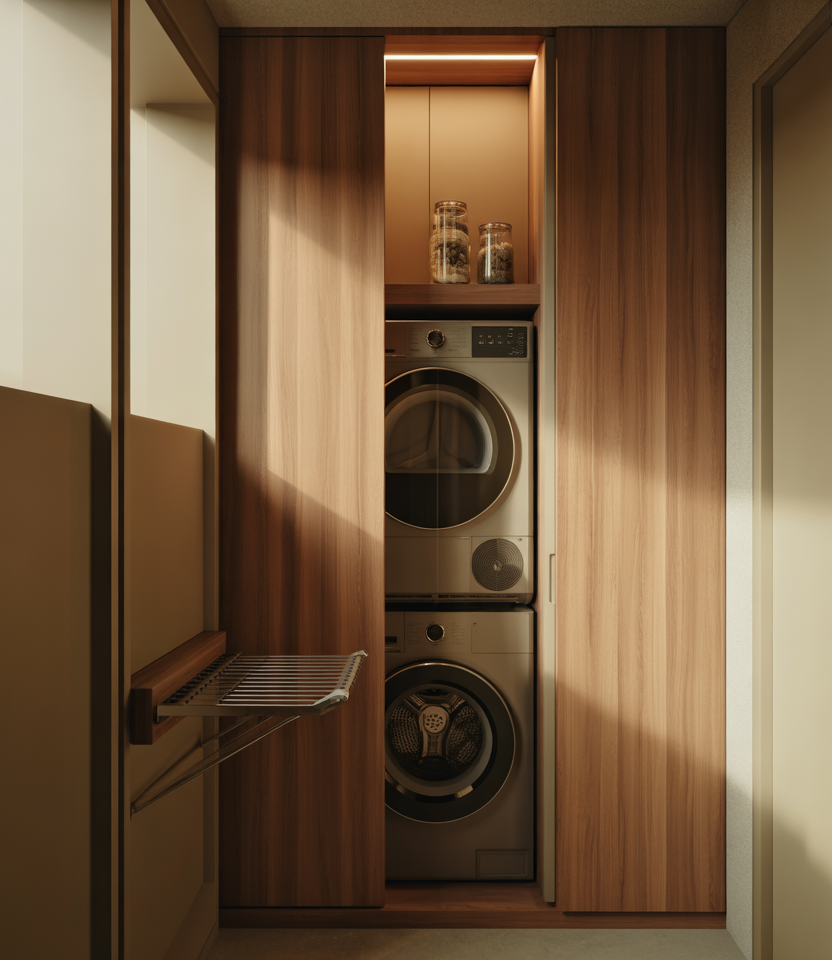 Transforming a hallway nook into a sleek laundry zone is easier than most homeowners expect. Sliding panels conceal a compact setup built around a stackable unit, a slim overhead shelf, and a wall-mounted drying rack. Soft neutrals and integrated lighting ensure the niche feels intentional, not improvised, even in tighter tiny interiors.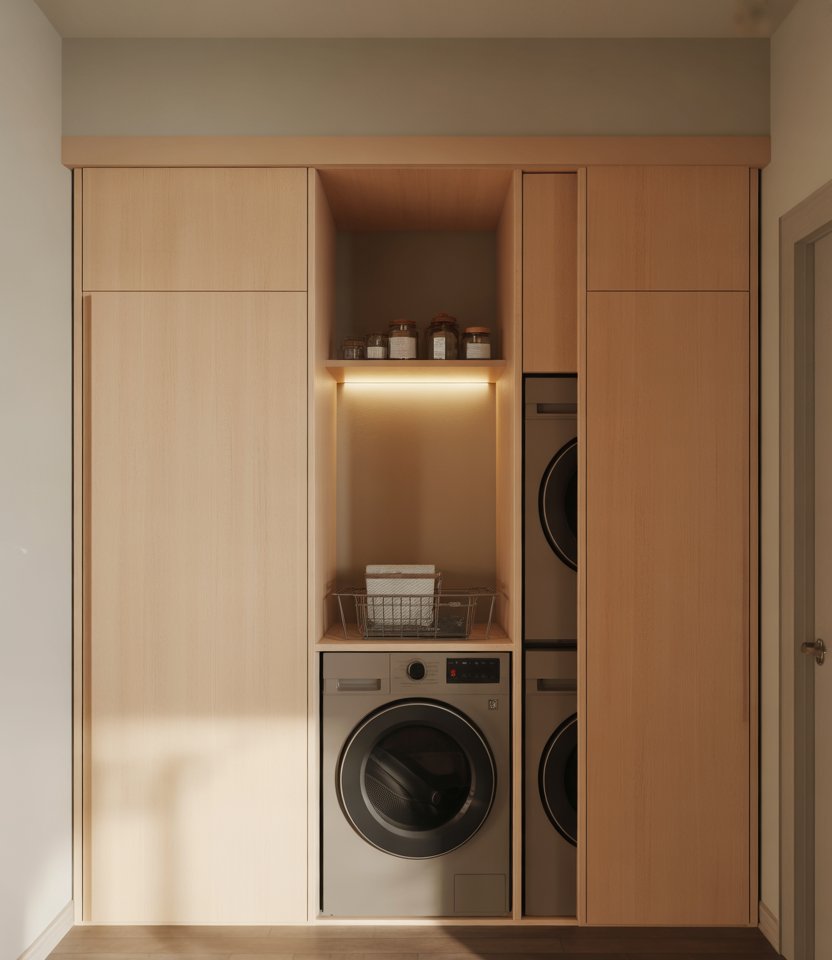
Practical insight: if your nook is shallow, choose sliding doors instead of swing ones and mount organizers on the inner side of the panels so you gain vertical storage. Add LED strips around the top rail for even light, and place a low-profile rug to protect wood floors from moisture during laundry days.
12 Laundry Room with a Built-In Folding Wall
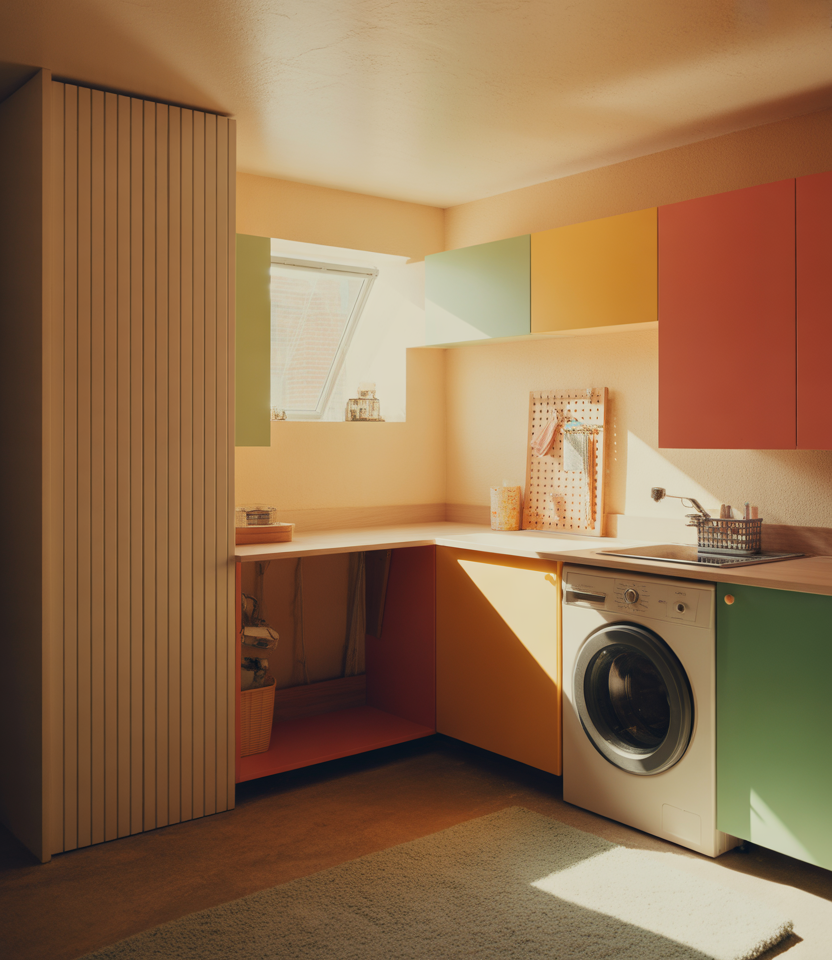 Homeowners love a multifunctional setup, and one clever solution is a folding wall panel that turns the corner of a basement or spare room into a flexible laundry zone. Pair a standard top-load washer with cabinets painted in breezy colors, and add a recessed ironing board nearby. This mini workstation disappears neatly when the panel is closed.
In many American homes, especially split-level and ’70s ranch houses, space gets divided into odd corners. This hidden folding-wall setup aligns perfectly with those layouts, giving you an efficient laundry area that doesn’t intrude on living or storage zones.
13 Warm Tile Laundries With a Vintage Touch
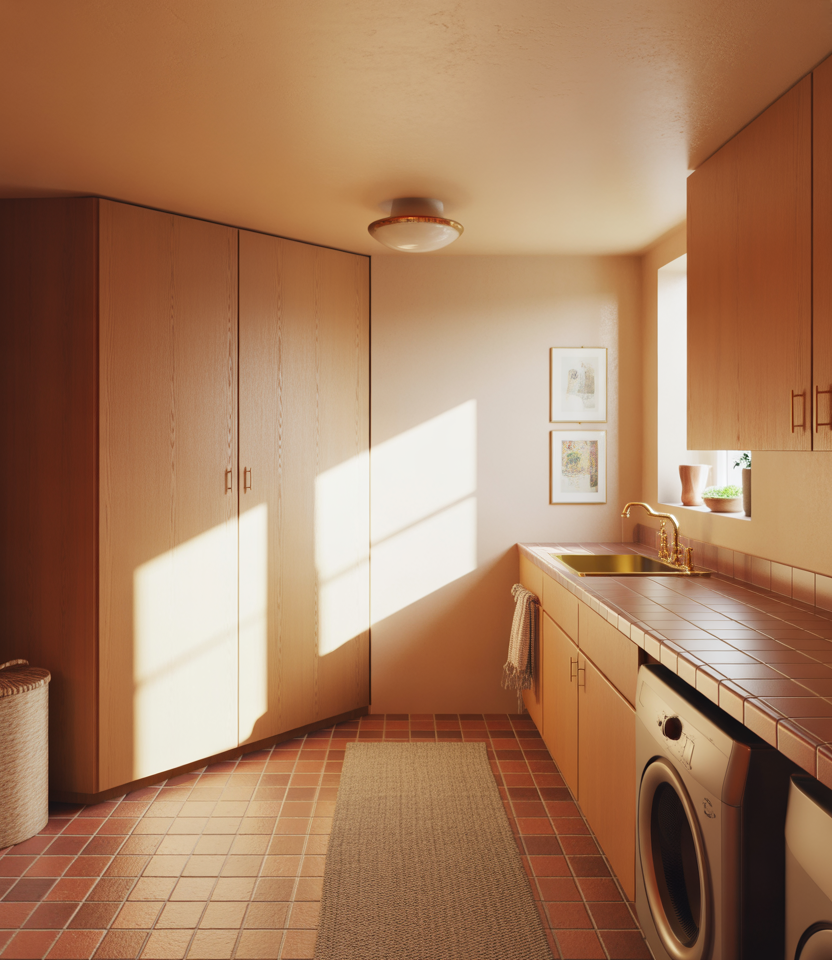 A laundry room anchored by warm terracotta tile can feel both nostalgic and fresh. Pair the flooring with a neutral cabinet run, a classic drop-in sink, and a curated decor moment using framed prints or jars. Brass hardware and a patterned runner lend vintage energy without making the space feel theme-heavy or cluttered.
A micro anecdote: one homeowner in Charleston said the turning point for loving her laundry room was adding a deeper sink for soaking linens. It became her “quiet five minutes” spot between chores—a tiny luxury that made routine work feel just a little more gracious.
14 Compact Laundry Under the Stairs
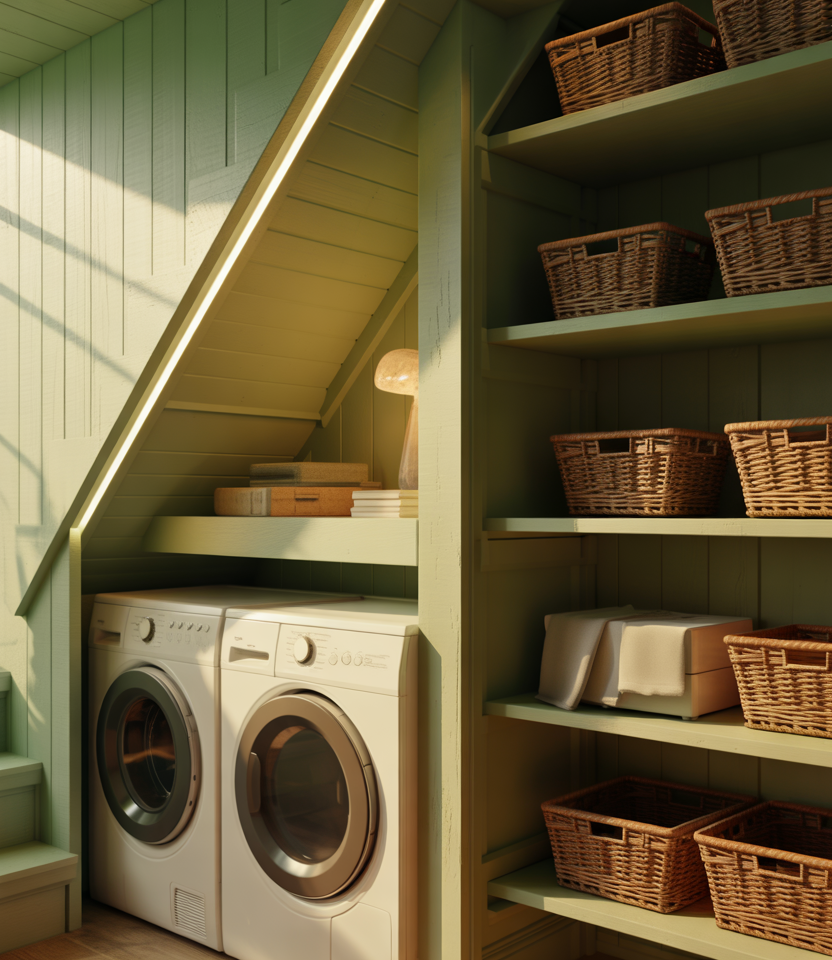 Unused under-stair voids can become efficient laundry stations with clever planning. Install a top loader if height allows, or swap to a low-profile Stackable washer-dryer unit framed by simple shelf supports. A painted feature Wall- and motion-activated lighting help make the small space feel surprisingly polished and practical.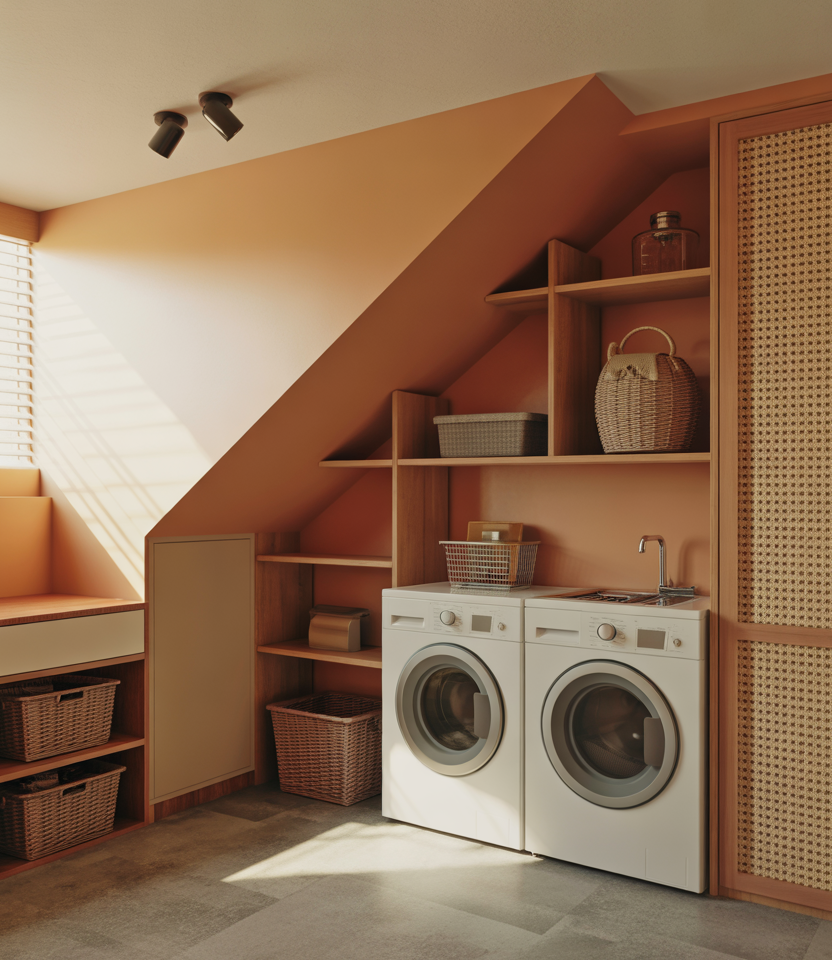
Where it works best: any home with wide staircase framing—townhomes, capes, and colonials often have unused side voids perfect for laundry. Access is easier than basement setups, and adding a sliding door keeps the nook tidy while still offering airflow.
15 Narrow Laundries With Wall-Mounted Drying Poles
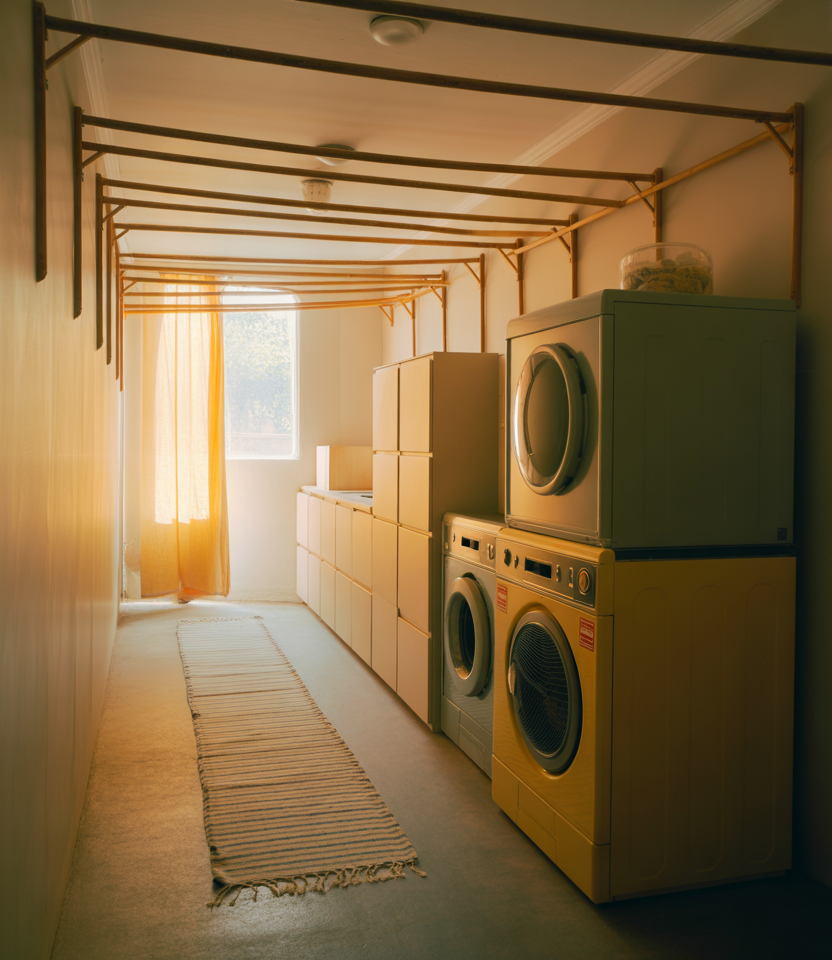 In a slim laundry corridor, vertical solutions shine. Mount minimalist wooden poles along one wall to act as a suspended drying rack, add slim cabinet units above the machines, and use warm colors to soften the tight footprint. This arrangement keeps the walkway clear and cushions the visual clutter typical of narrow spaces.
Expert-style commentary: drying poles work best in rooms with enough airflow. Choose sealed wood or powder-coated metal to avoid moisture damage, and mount poles at staggered depths so air circulates more freely. This prevents damp clothing from staying musty and speeds dry time.
16 Laundry in an Unfinished Basement Alcove
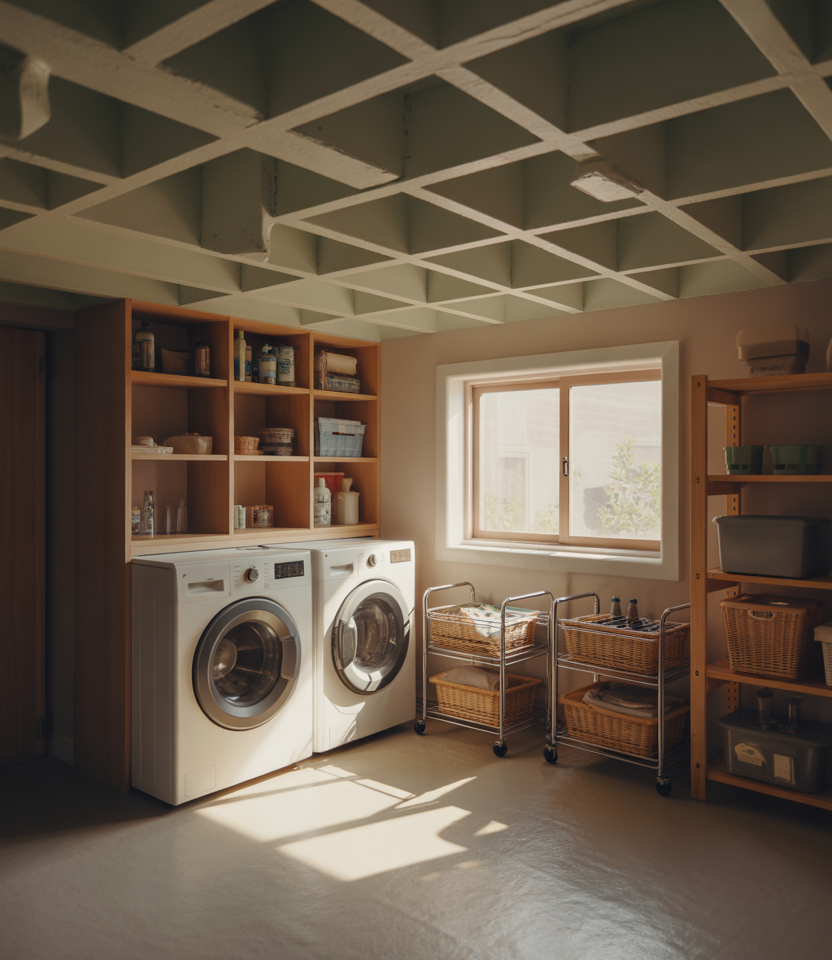 Turning a simple alcove in an unfinished basement into a cheerful laundry zone is more achievable than it looks. Use mobile storage carts, bright decor touches, and a tall shelf system for bulk supplies. Painting exposed ceilings black or white instantly makes the area feel unified, even without a full remodel.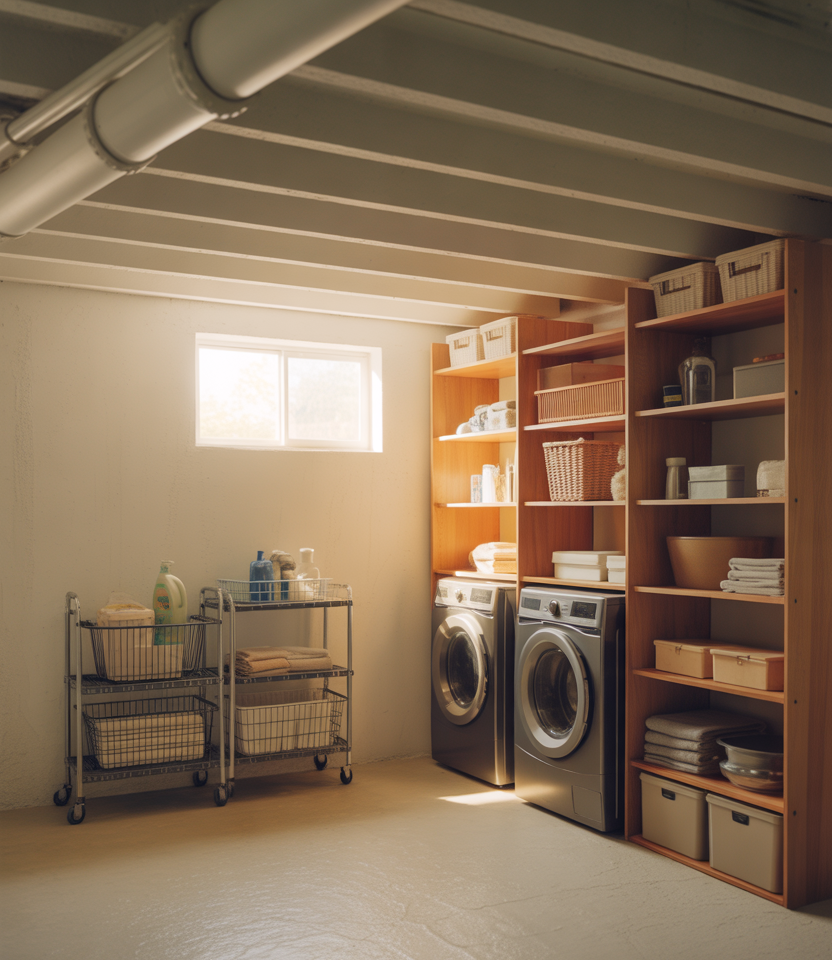
From a budget standpoint, this upgrade relies on cosmetic changes rather than structural ones. Affordable shelving, a gallon of ceiling paint, and a quality rug can completely change the mood. Spend your money on better lighting and sturdy bins instead of full framing and drywall.
17 Closets and Laundries With Clean Organization
 For a tiny house or an apartment, a closet laundry framed by cabinet doors is still one of the best solutions. For a splash of color, use bright tiles. Add bins for storage, a lightweight drying rack, and a splash of color. Once the doors are closed, the hallway goes back to an uncluttered and neat background.
Real owner behavior shows that closet laundries tend to stay cleaner when there are bins for supplies, and they are discreetly labeled. When everything has a predictable landing spot, people are more likely to close the doors, wipe the machines down, keep a routine, and maintain that they do so.
18 Shelving With Launches Painted As If They Were Becoming Painted Launches
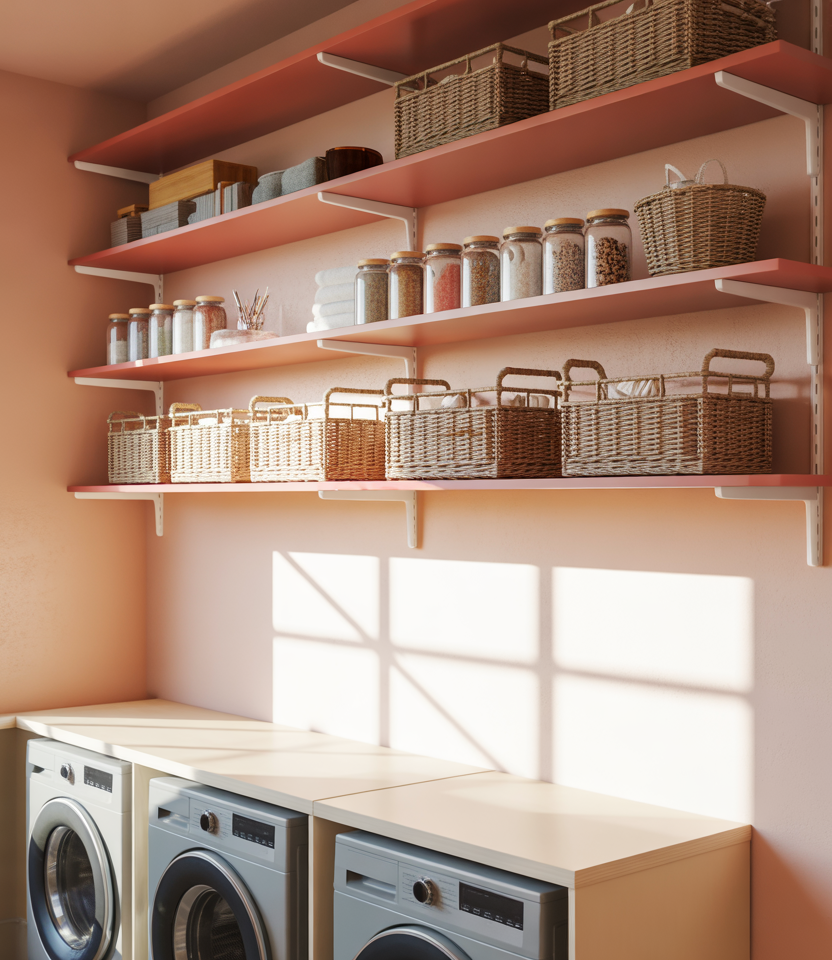 Open shelving can become a design moment when painted with color-dipped ends. Frame your decor baskets and glass jars against a soft wall tone, then anchor the look with a modern stackable set below. Even simple plywood shelves look high-end with painted edges and repeated colors across accessories.
Common mistakes include overcrowding shelves or mixing too many colors. Aim for consistency—choose one accent shade and repeat it in three or four places. Keep baskets uniform in tone so the eye reads the shelfscape as one cohesive design rather than visual noise.
19 Modern Laundries With Architectural Paneling
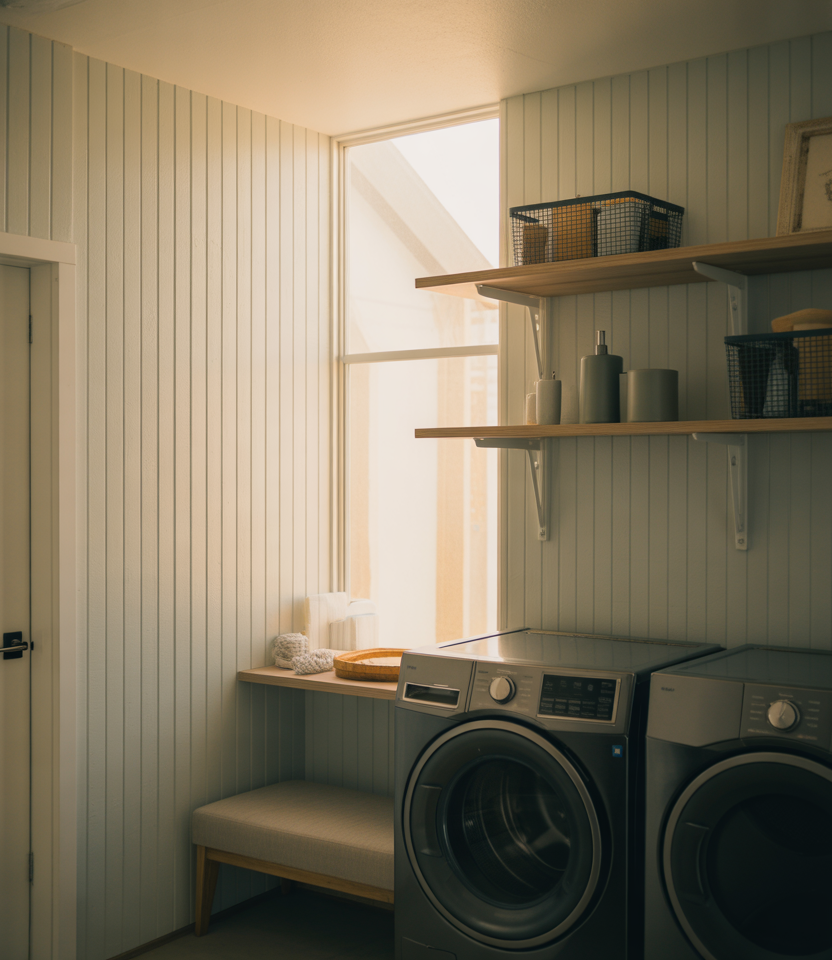 A polished laundry room often begins with updated architectural details. Slim vertical panel lines on the wall create rhythm behind a top loader, while floating decor pieces and matte colors soften the machines’ bulk. A narrow bench or hamper nook adds warmth without crowding the workspace.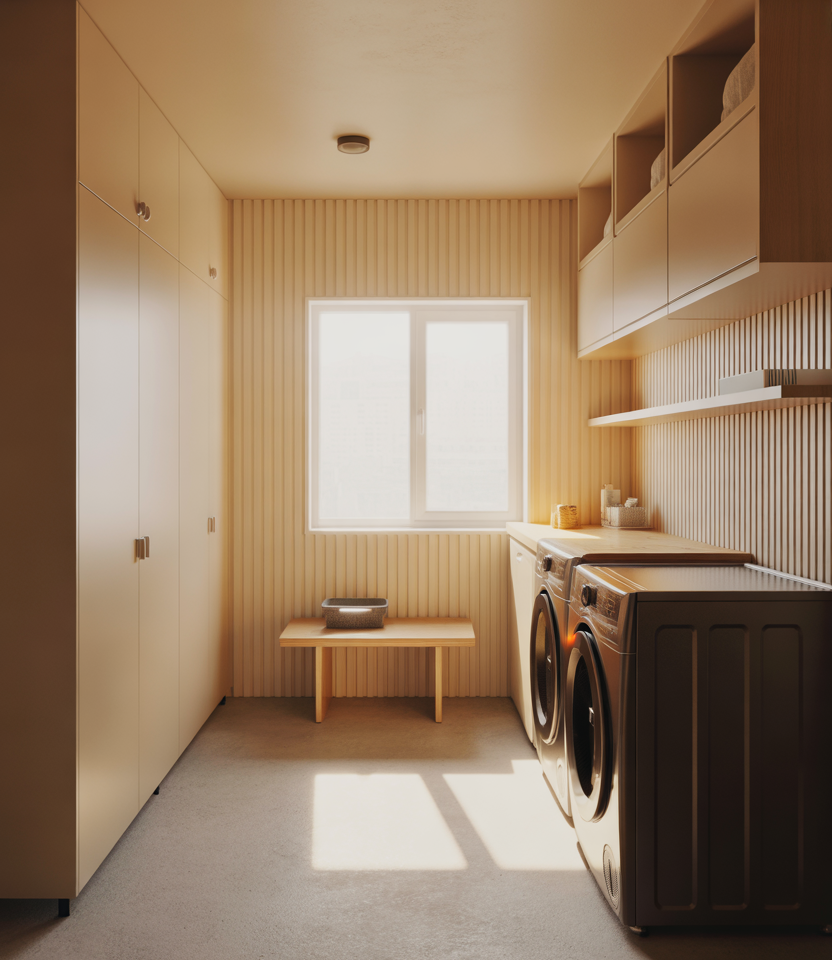
Practical insight: paneling depth affects how easy the walls are to maintain. Choose thin MDF slats instead of deep battens to reduce dust collection. Seal all edges near machines to prevent moisture from seeping behind the trim.
20 Laundry Room With Soft Coastal Cabinetry
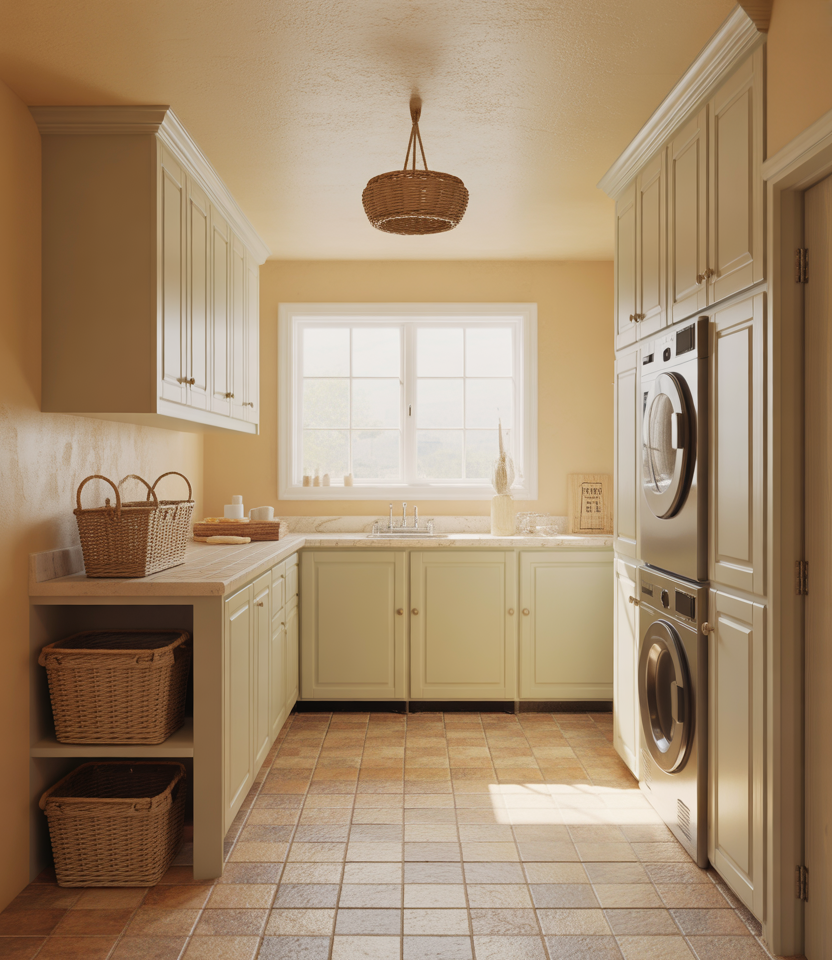 A gentle coastal palette can turn even small laundries into calm transitional spaces. Use sandy colors, pale cabinet fronts, and stone-look tile paired with simple storage baskets. The result feels breezy without leaning into clichés, especially when you balance warm metals and natural woven textures.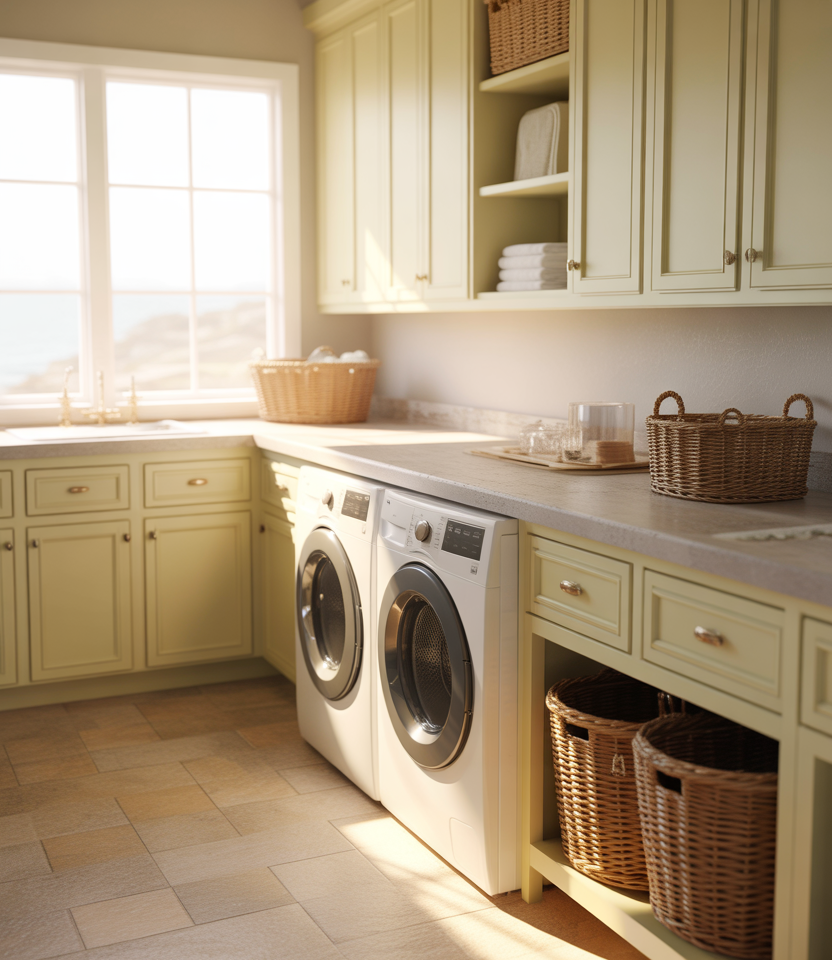
American lifestyle context: coastal colors resonate widely because they evoke calm, cleanliness, and weekend living. Even inland homeowners borrow these palettes to bring a bit of “slow weekend energy” into everyday routines, making chores feel less like deadlines and more like soft background rhythm.
21 Laundry Wall With Built-In Hamper Drawers
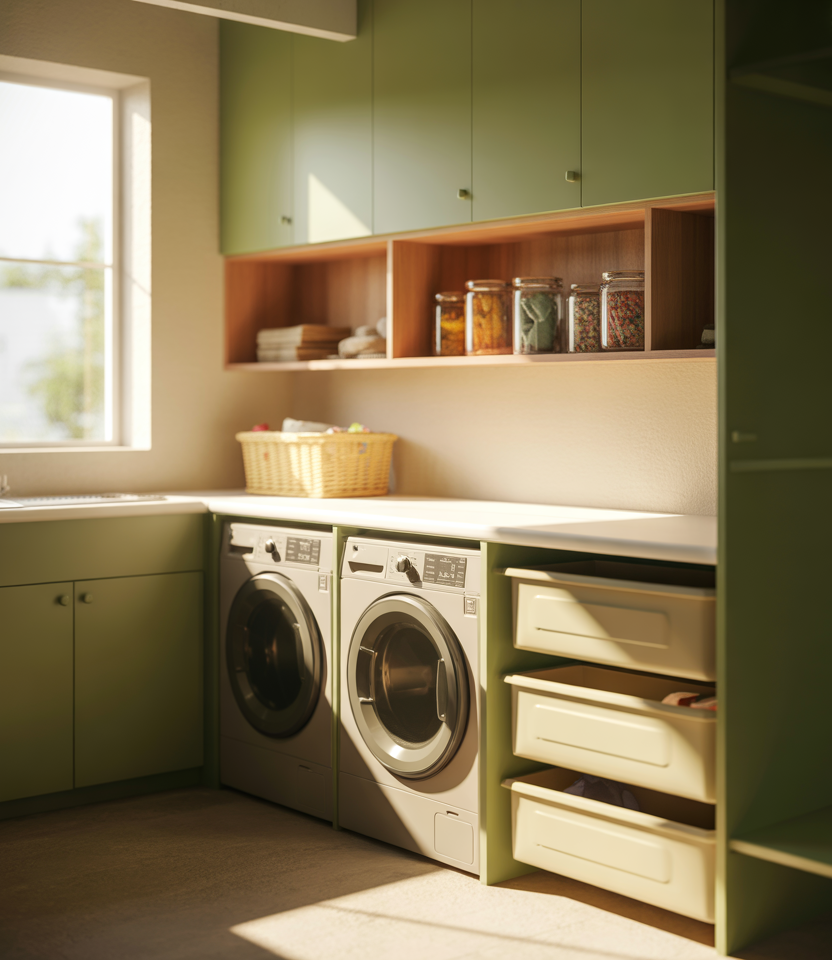 Laundry walls with built-in hamper drawers manage tight spaces and narrow walls with a sense of organizational ease and calm. A long wall can support a counter with hidden hampers below, with shelves above, and a pre-treatment sink. Keeping colors soft and pale balances the center with the machines framing the wall from panels to cabinetry and helps to keep a calm ambiance while being quite a bit above active.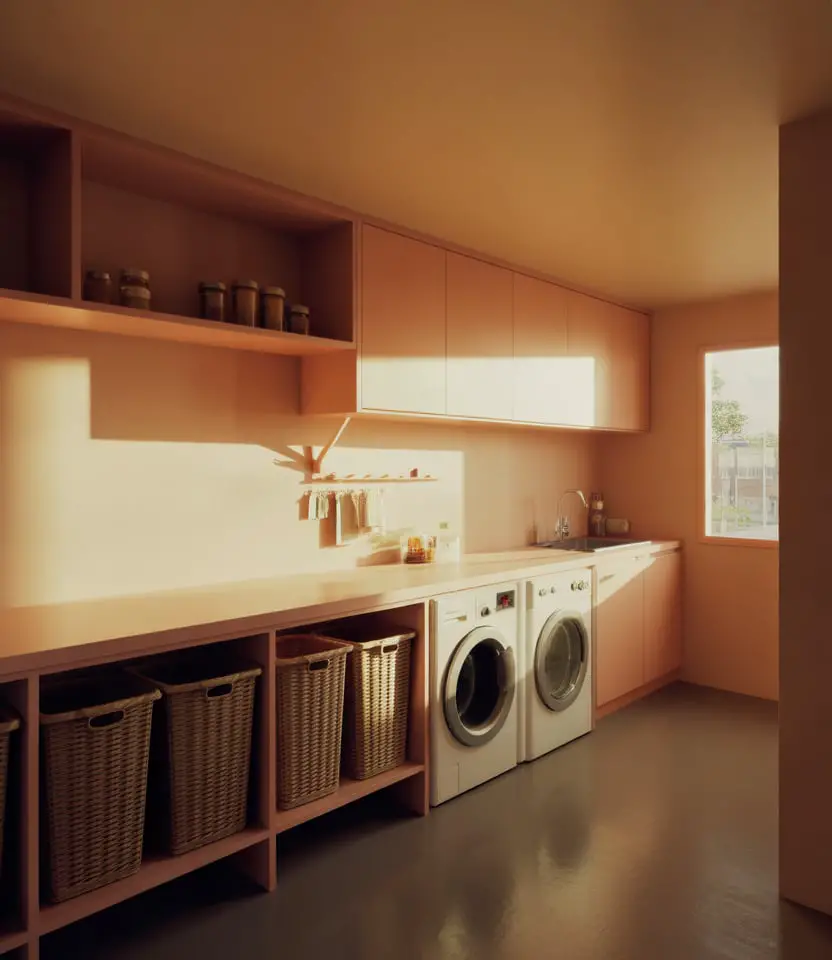
Helpful tip: Hampered drawer organization by category for mixed laundry. This way, it’s faster to sort, and piles are placed off the counter. Fabric drawer liners are useful and help the drawer to not become damaged through moisture, odors, or lack of freshness.
22 Mudroom-Style Laundry Rooms With Bench Seating
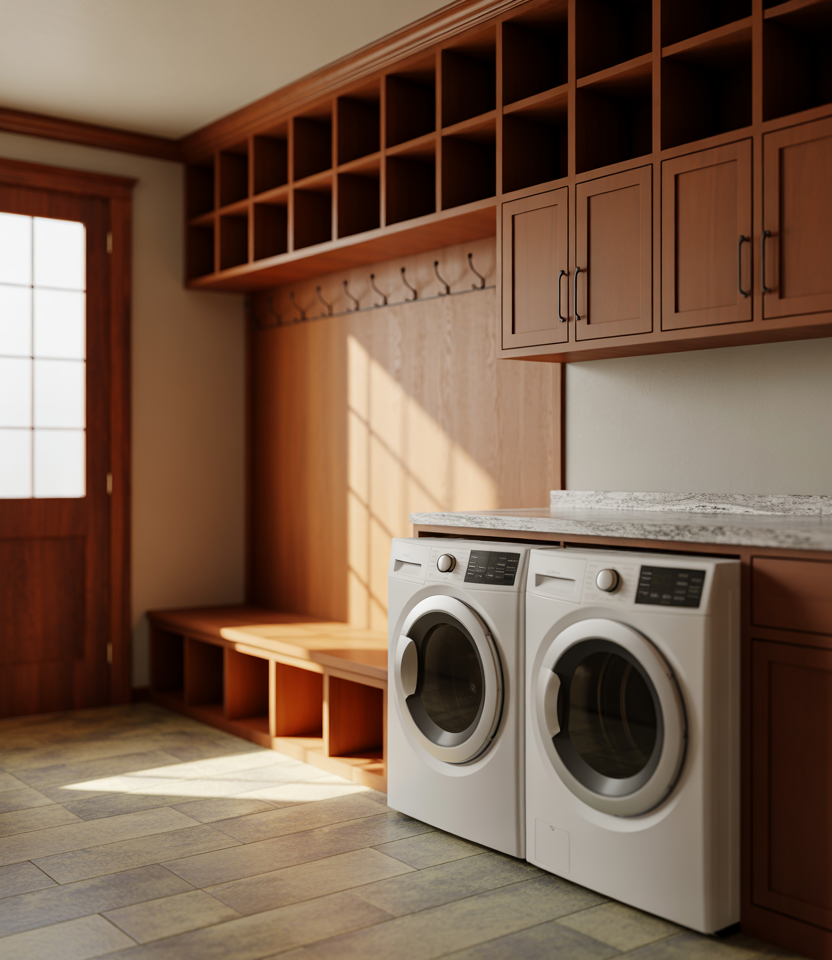 A lot of American households have a combined entryway \& laundry layout. For One Design, adding a bench, some cubby cabinets, and simple shoe storage transforms the room to a mudroom-laundry hybrid. The room stays nice through seasons with wet boots \& sports uniforms, thanks to the stone-look tile \& soft colors, which withstand seasonal wear.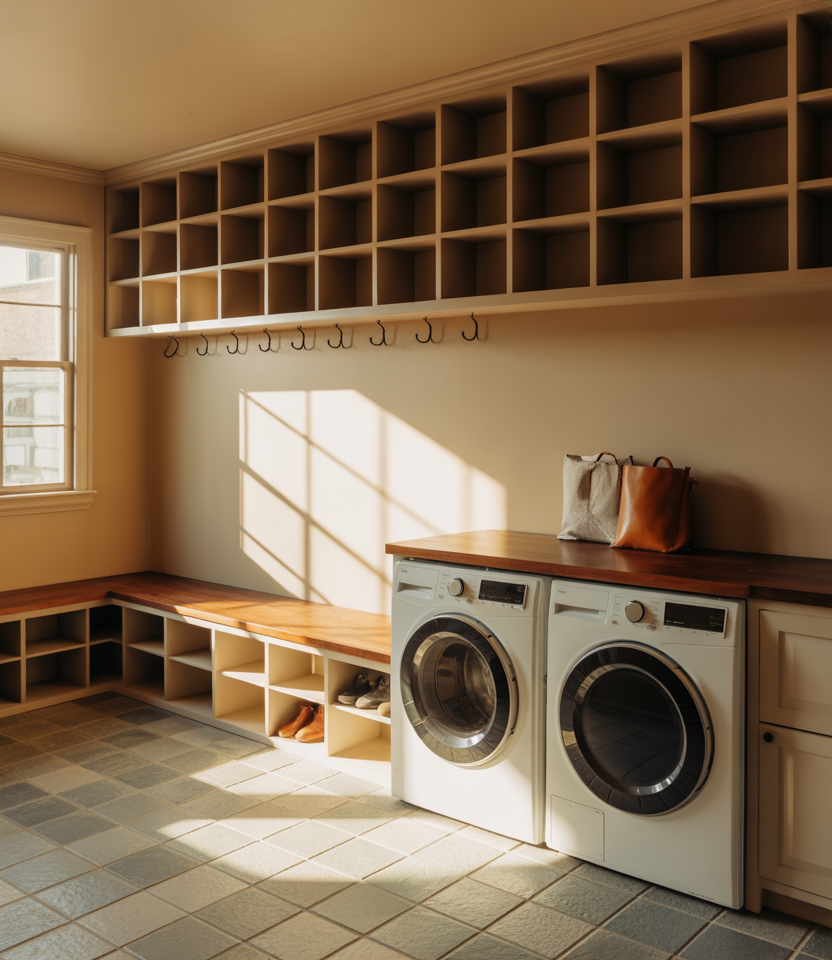
American culture: in many suburban households, the mudroom acts as the family’s main daily entryway. This pairing, however, means muddy and sportswear-laden clothing can be washed immediately, maintaining a clean home and lessening the workload during busy weeknight routines.
23 Minimal Laundry Rooms With Architectural Lighting
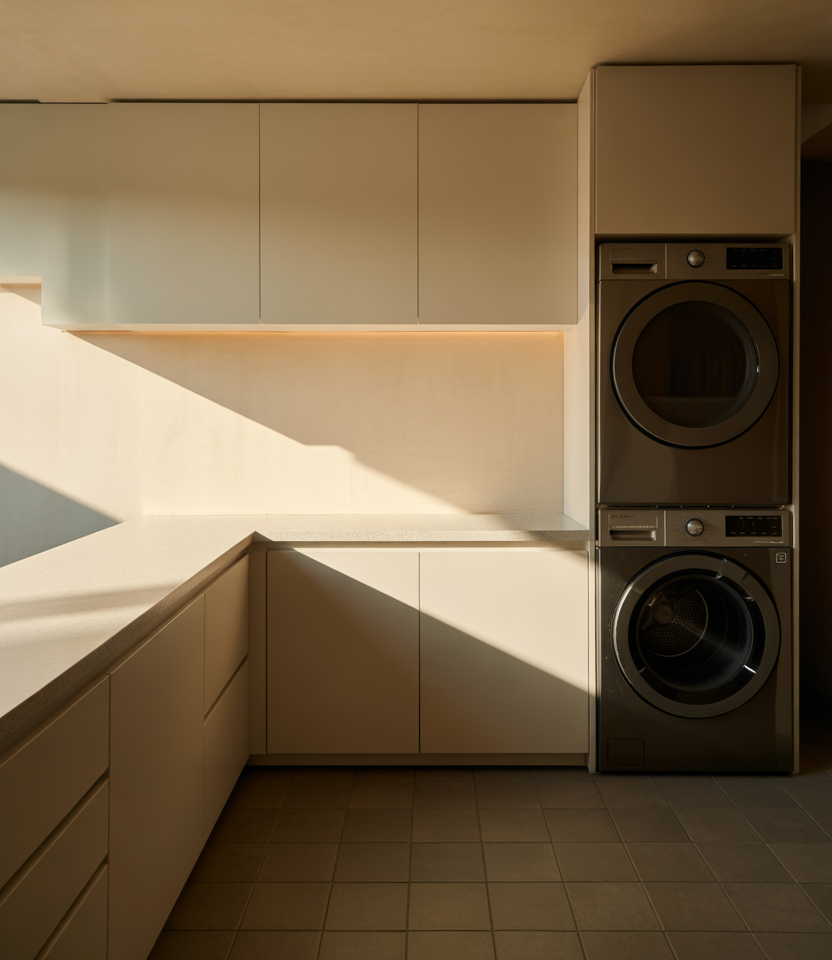 Minimalist laundry rooms feel calm and architectural. Choose clean cabinet fronts without handles, gray tile finishes, and a slim LED line washing the wall with light. A compact, stackable washer-dryer frees valuable floor space and keeps the room feeling spacious, even in compact city apartments.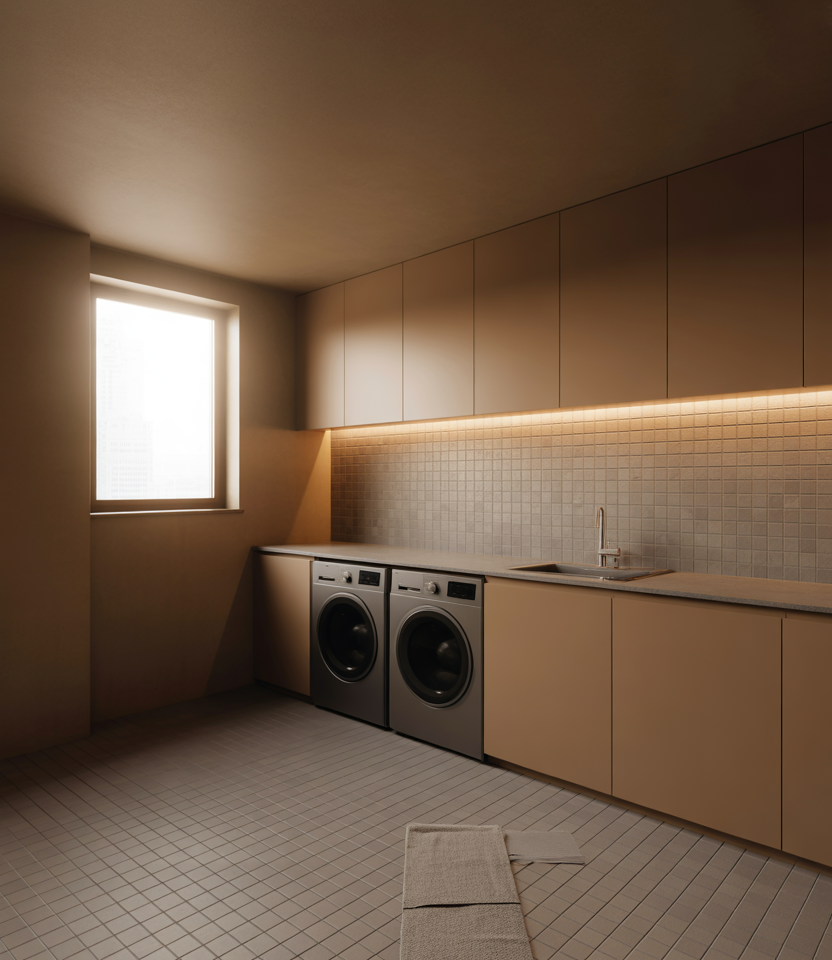
Expert-style commentary: linear lighting reduces harsh shadows and makes sorting laundry easier. Opt for matte finishes so the light doesn’t cause distracting glare. Thin MDF slats or flush panels near the machines are easier to clean and provide the sleek effect minimalism depends on.
24 Laundry Corner With Budget-Friendly Open Storage
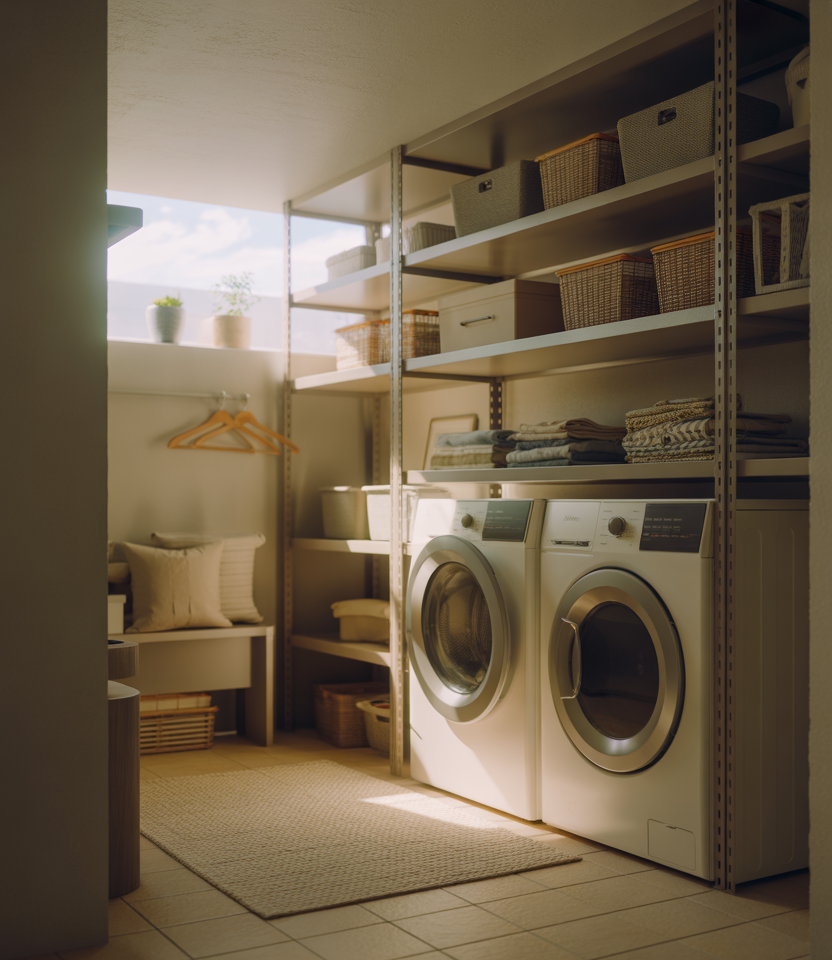 When a full remodel isn’t in the plan, open storage systems offer structure on a budget. Metal shelving, light decor, clear containers, and a simple shelf frame around the machines create order instantly. In a basement or garage, this approach keeps essentials accessible and the space feeling cleaner.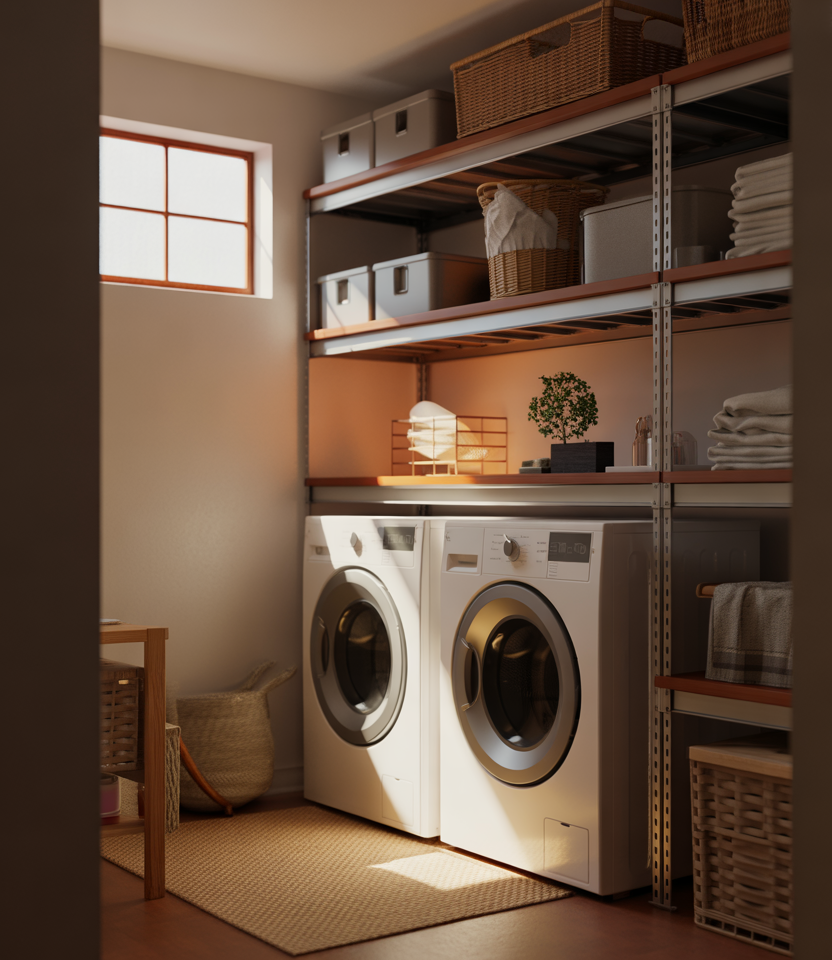
Budget/price angle: open shelving costs three to five times less than built-ins. Most units adjust by height, so if you later upgrade to larger machines or add a drying cabinet, the system can adapt without needing a full redesign or major spending.
Updating a laundry room doesn’t require a full gut renovation; it’s usually about being more intentional with light, storage, and style. Whether your setup lives in a hall closet, a bright bathroom, or a slightly spooky basement, small tweaks can make it a place you don’t dread walking into. Use these ideas as a starting point, then share what you’re planning—or what you’ve already finished—in the comments so others can borrow from your experience.