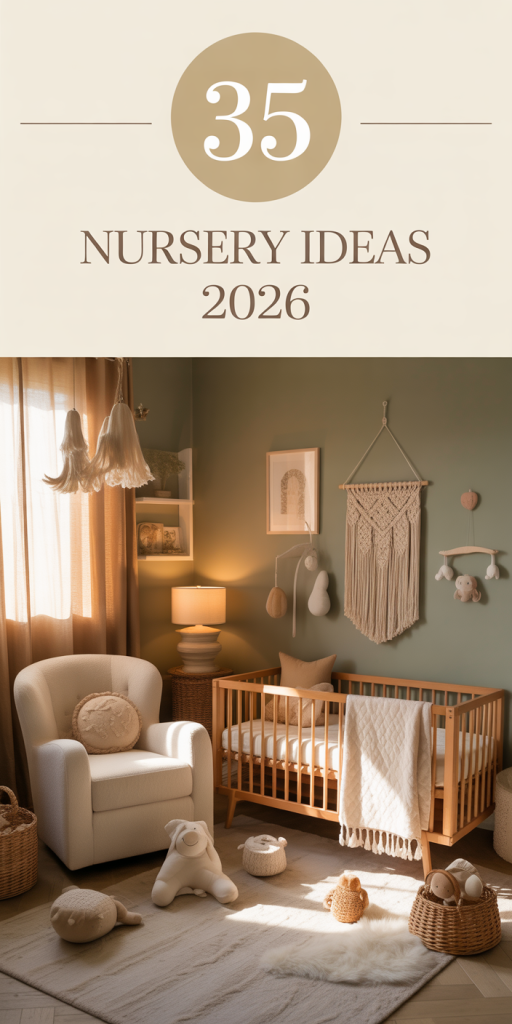
Designing a nursery in 2026 is about balancing emotion, longevity, and real life. American parents are turning to Pinterest for ideas that feel warm but flexible, stylish yet deeply personal. Today’s nurseries aren’t theme parks—they’re calm backdrops for everyday moments. Below, you’ll find thoughtful nursery ideas for 2026 that reflect how families actually live, grow, and evolve.
1 Soft Neutral Layer for a Calm Start
This nursery leans into a soothing palette built around neutral, gender-neutral, and unisex tones, creating a space that feels timeless rather than trend-driven. Gentle textures, soft fabrics, and warm woods make the room feel cozy without overwhelming a tiny space. It’s a design that grows easily with your child and works just as well in apartments as in suburban homes.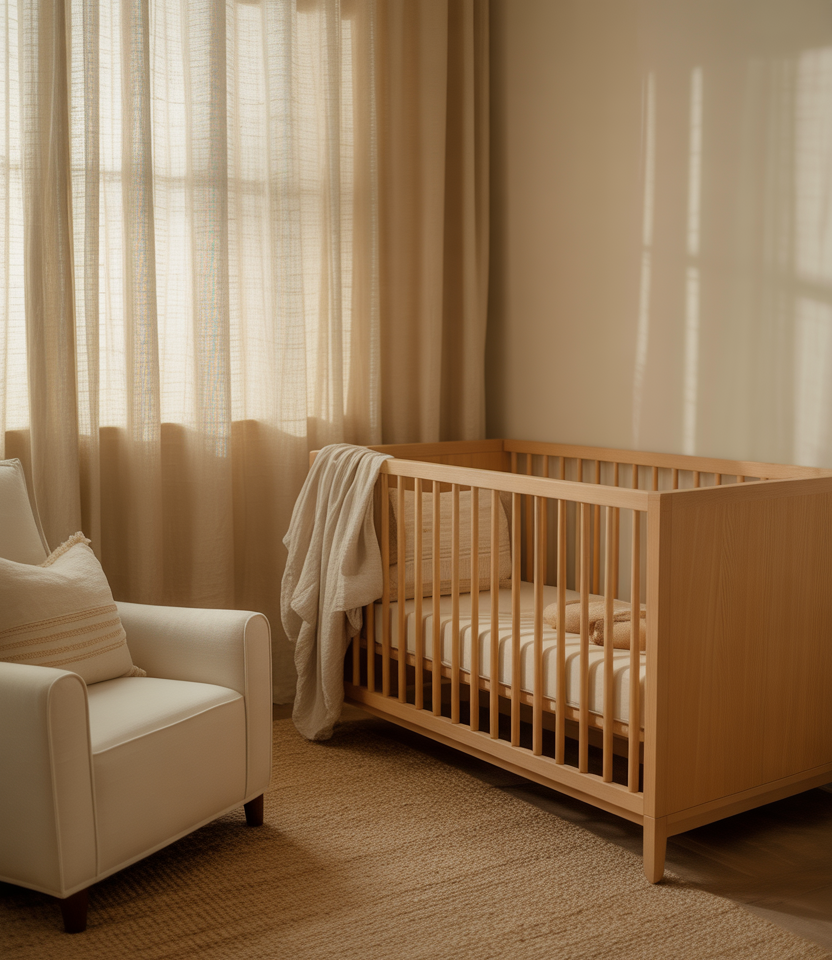
The practical insight here is flexibility. Neutral nurseries reduce the urge to redecorate every few years, saving time and energy. Swapping pillows, art, or lighting is often enough to refresh the room as your child grows, without committing to a full redesign.
2 Nautical Charms with a Modern Twist
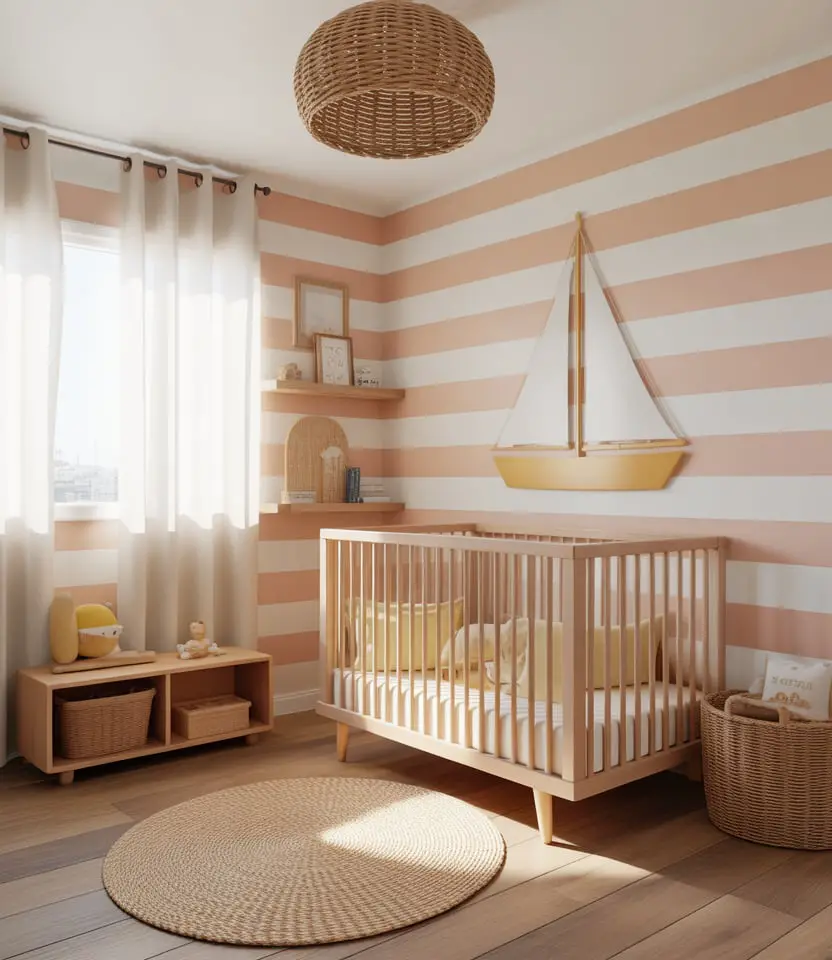 A fresh take on nautical nursery style feels lighter and more relaxed in 2026. Instead of heavy themes, soft stripes, weathered textures, and hints of yellow paired with green bring warmth and optimism. This look feels especially natural in coastal homes but translates beautifully inland when kept subtle and airy.
In many American coastal regions, this style reflects everyday life near the water. Parents often choose it because it feels familiar, calm, and rooted in place, making the nursery feel connected to the surrounding environment rather than overly themed.
3 Storybook Sweetness Inspired by Childhood Classics
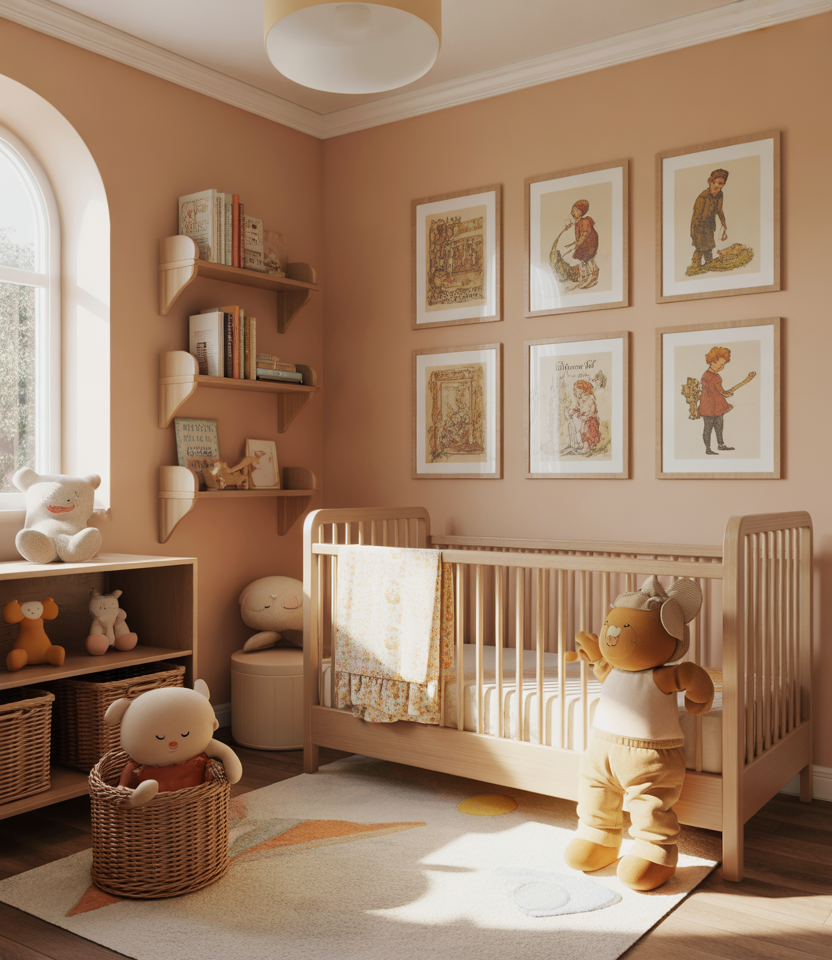 This nursery draws on the gentle charm of Winnie the Pooh and classic Disney influences without becoming cartoonish. Soft illustrations, honey-toned woods, and a cute, colorful palette keep the room playful yet refined. It’s nostalgic but still feels curated and calm.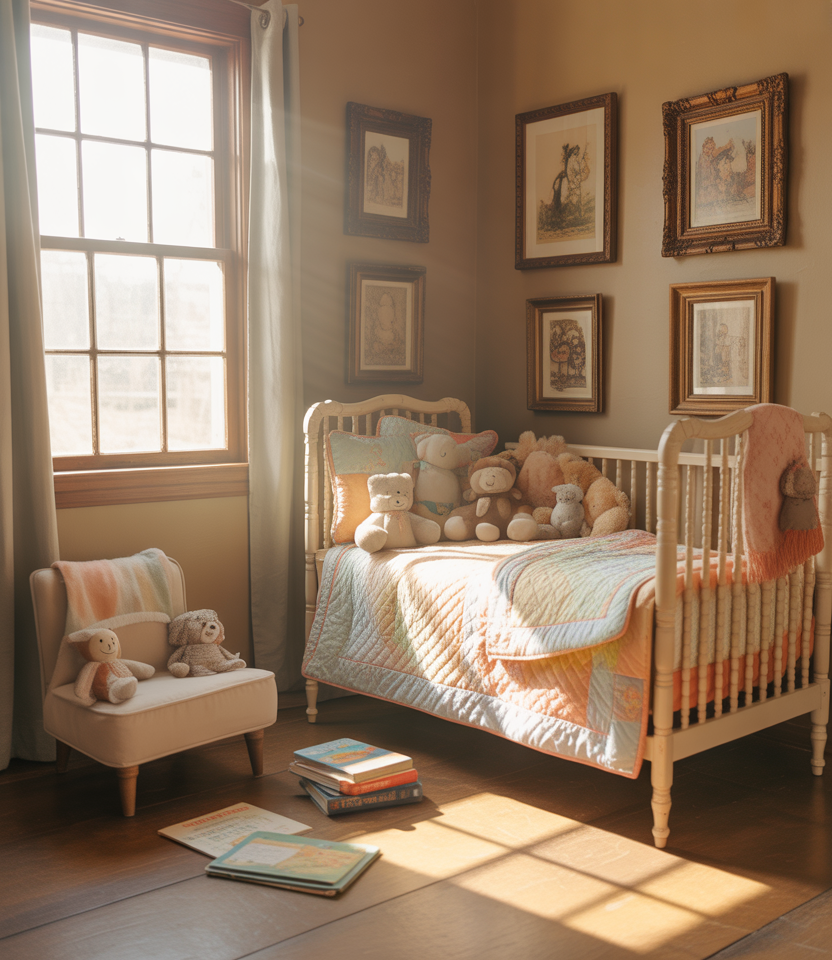
I once visited a home where the parents framed pages from a beloved childhood book instead of buying new art. That small, personal detail instantly made the nursery feel meaningful and deeply lived-in.
4 Earthy Forest Retreats for Everyday Calm
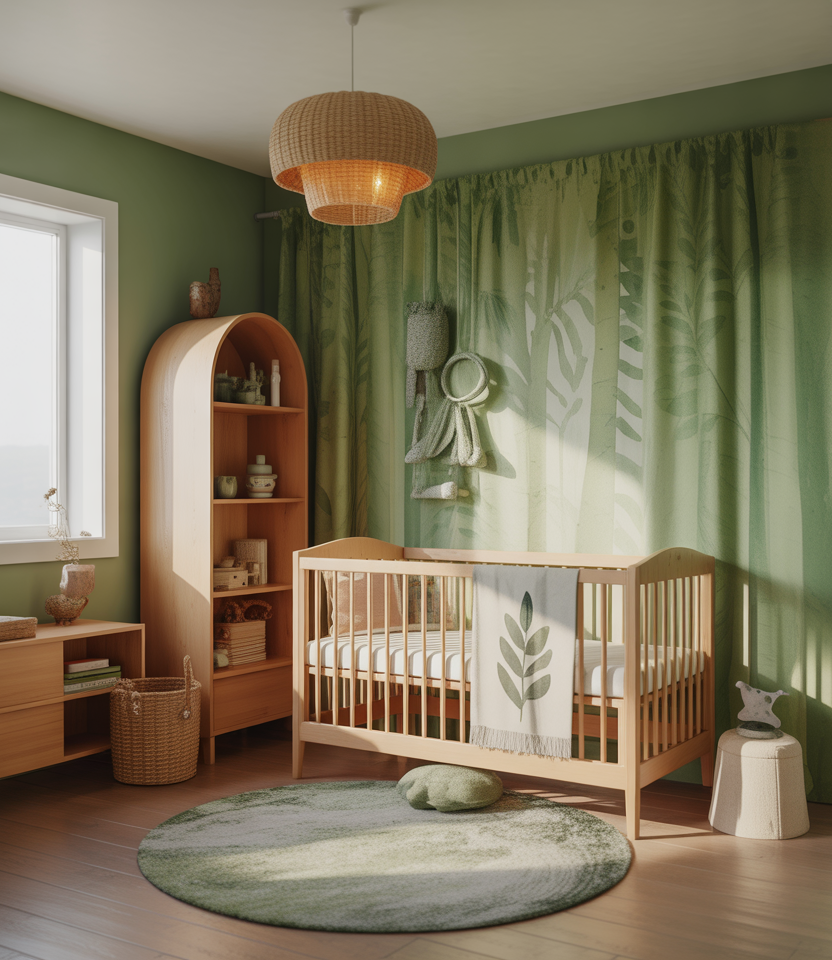 A forest-inspired nursery embraces forest motifs through texture rather than literal imagery. Earthy materials, sage green walls, and layered green tones create a grounded, restful atmosphere that feels nurturing and serene.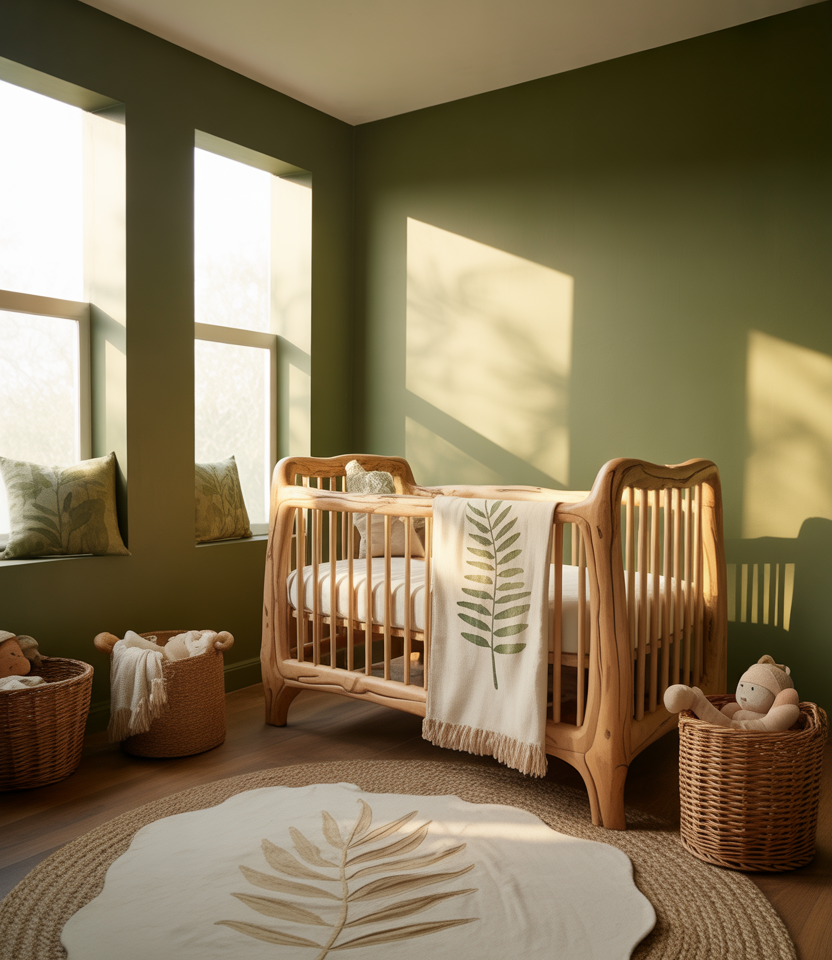
This style works best in homes with good natural light or views of trees, but it’s equally effective in urban spaces when paired with soft lighting. It creates a visual pause from busy surroundings, which many parents appreciate.
5 Playful Jungle Energy for Growing Twins
Designed with siblings in mind, this nursery blends jungle influences with colorful, whimsical details suited for a twin setup. The look feels joyful without chaos, using layered greens, animal textures, and balanced symmetry to keep the room visually calm.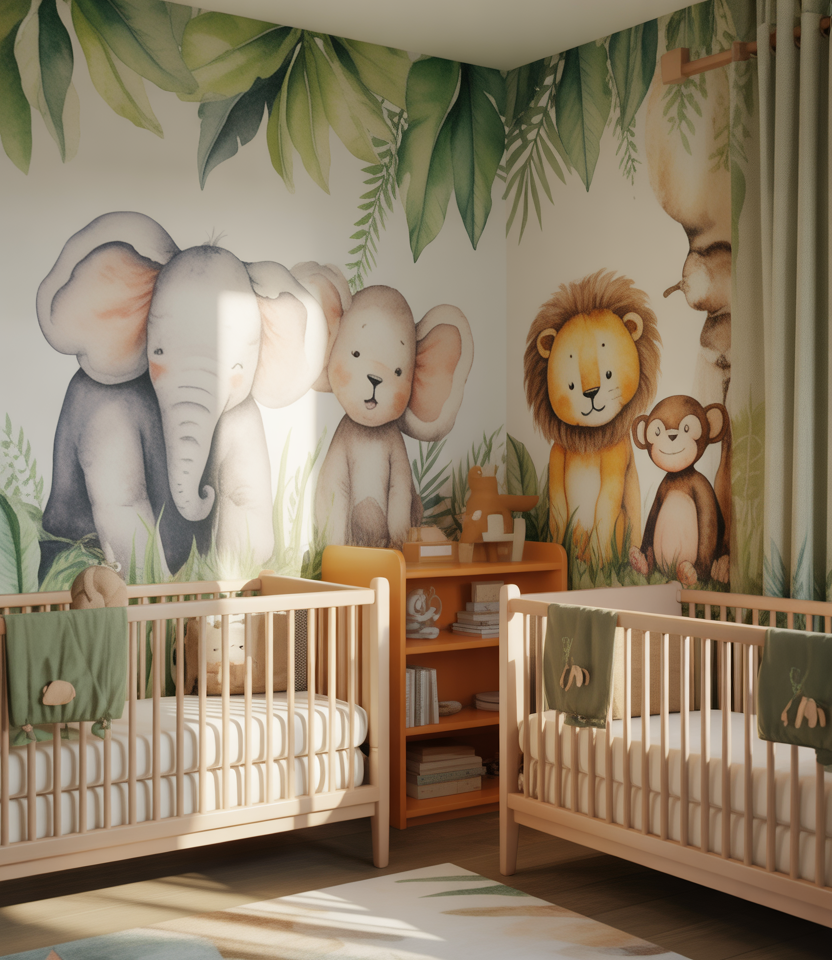
Design professionals often recommend symmetry in shared nurseries. It helps reduce visual clutter and gives each child a clear sense of personal space, even in a playful theme.
6 Soft Pastels for Small, Sweet Spaces
This nursery idea blends pink and purple in a subtle way that feels modern rather than sugary. Perfect for a tiny room, soft pastels paired with simple furniture keep the space feeling open and cozy, not crowded.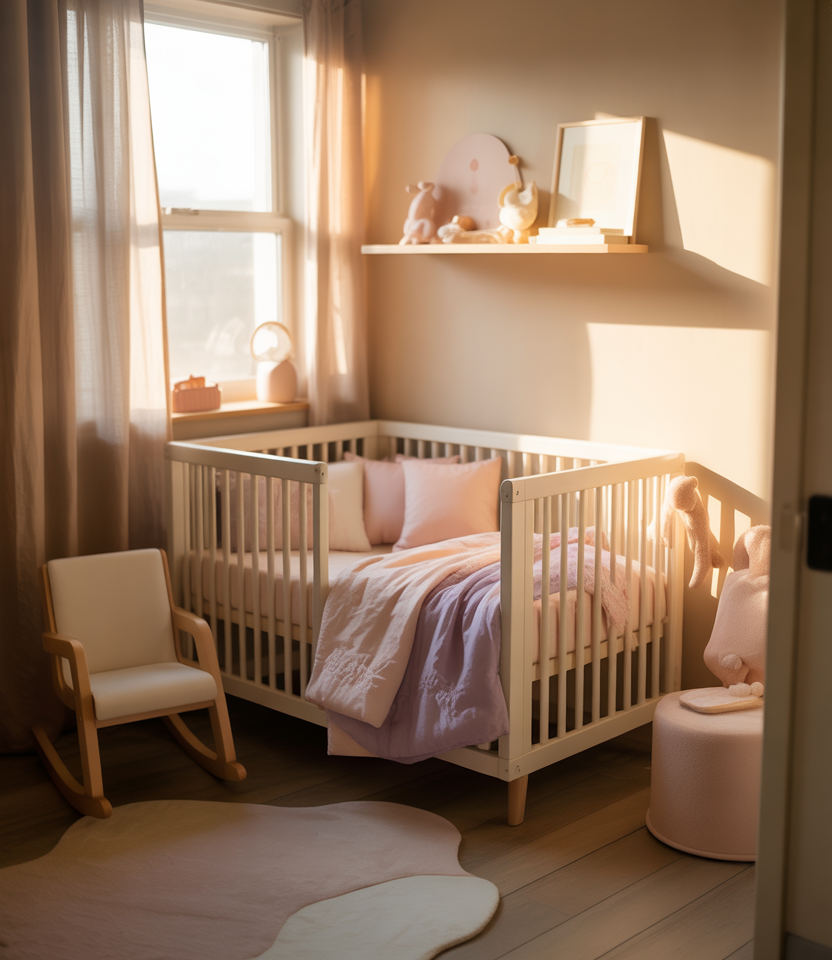
From a budget perspective, pastel nurseries are easy to build gradually. Many parents start with neutral furniture and add color through affordable textiles, art, and accessories over time.
7 Western Warmth with Quiet Spiritual Notes
This nursery combines subtle Western elements with calm, almost church-like simplicity. Soft browns, natural wood, and neutral fabrics create a grounded space that feels peaceful rather than themed.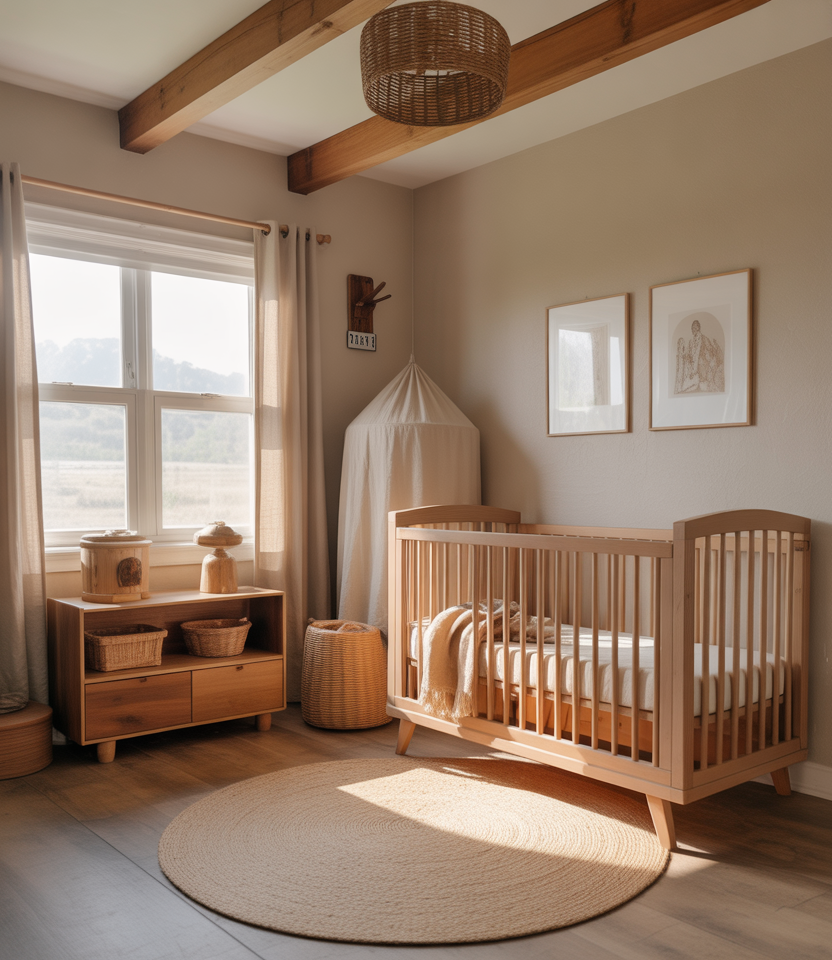
Many homeowners naturally drift toward this style because it feels familiar and calming. It often reflects personal values—comfort, tradition, and a slower pace—rather than strict design rules.
8 Whimsical Fantasies Without Overdoing It
A fantasy-inspired nursery nods gently to Harry Potter themes through color and texture instead of literal decor. Deep purple accents and whimsical lighting details give the room a sense of magic while staying elegant.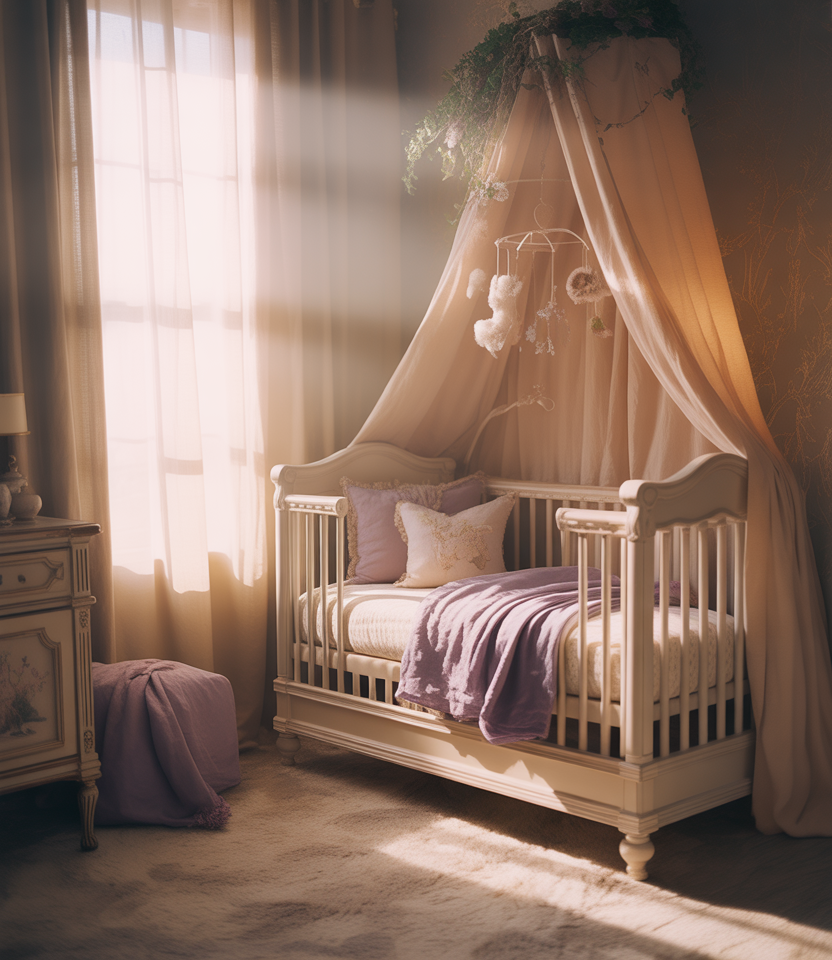
A common mistake is going too literal with fantasy themes. Avoid wall decals or props that dominate the room. Subtle references age better and feel less visually overwhelming.
9 Playful Digital-Inspired Color Stories
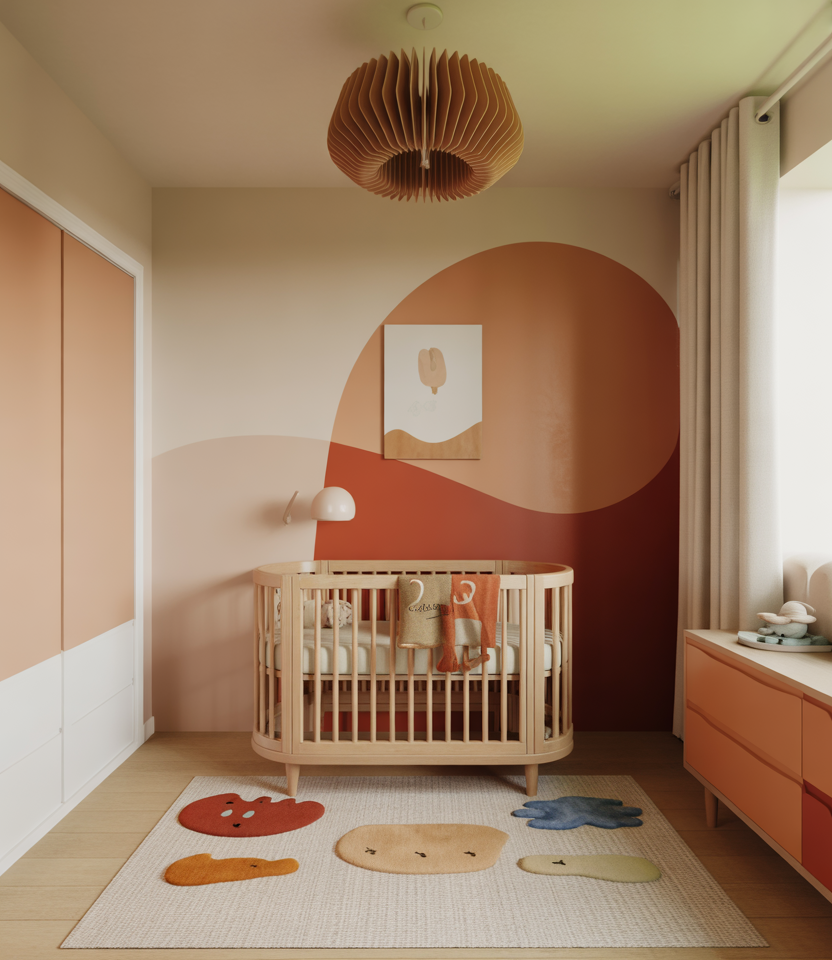 Influenced by Bloxburg aesthetics, this nursery uses colorful blocks and shapes in a balanced, unisex way. Clean lines and intentional color placement keep the space playful without feeling chaotic.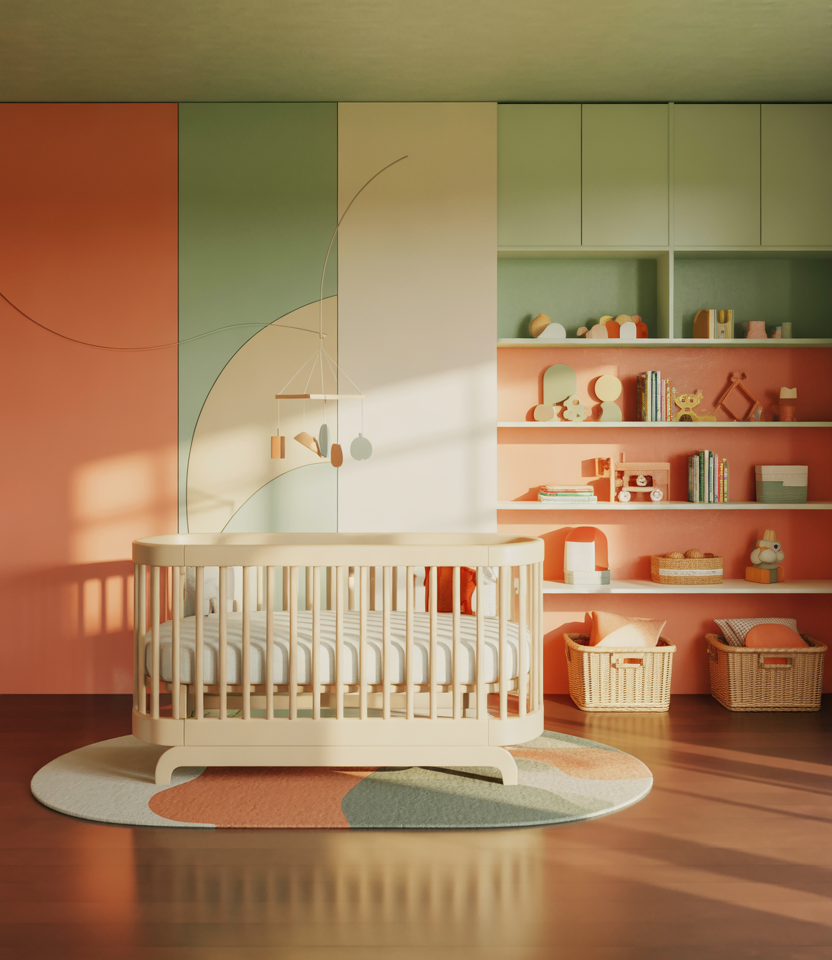
The key practical insight is restraint. Limiting bright colors to specific zones helps maintain visual balance and makes the room easier to adjust as your child’s preferences change.
10 Soft Nautical for Shared Sibling Rooms
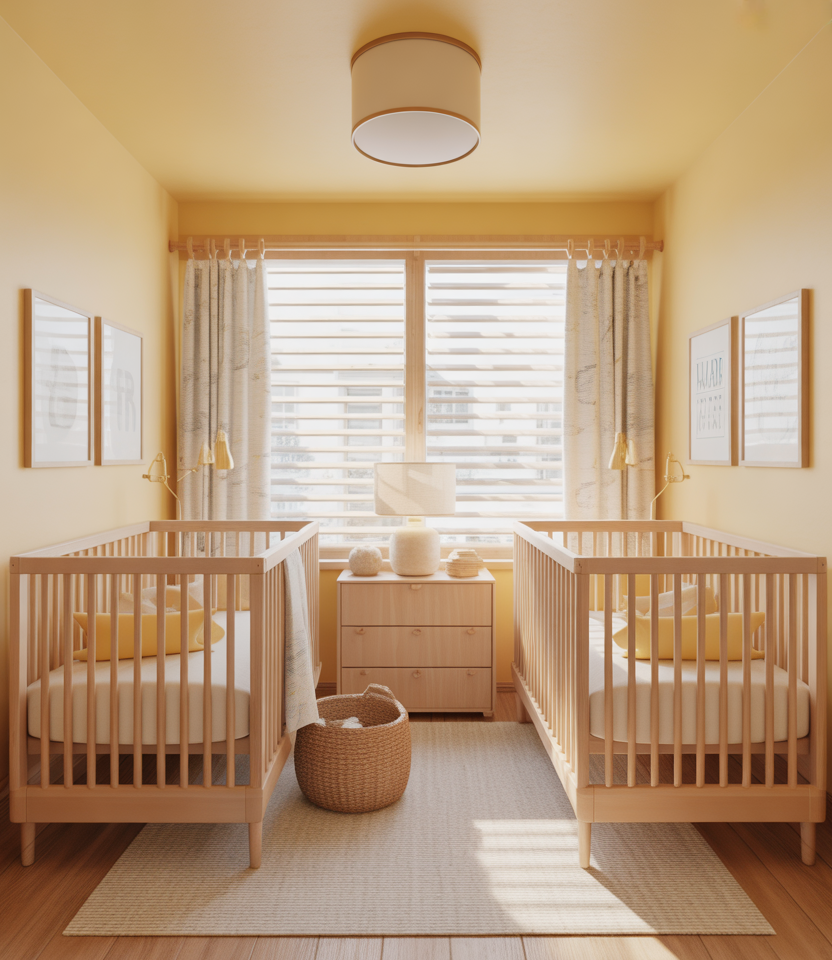 This shared nursery blends nautical cues with gentle yellow tones in a layout designed for a twin setup. The palette stays light and welcoming, avoiding heavy contrasts that can overwhelm a shared space.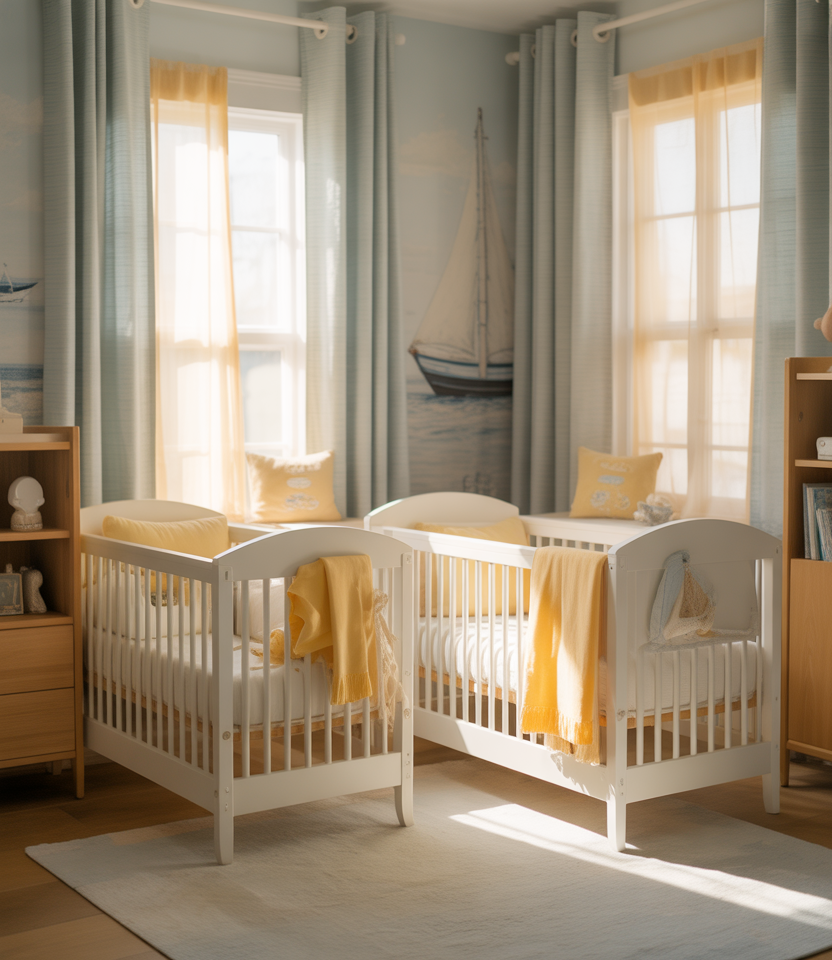
Design experts often note that shared nurseries benefit from cohesive color stories. When everything visually connects, the room feels calmer and more functional for both children and parents.
11 Gentle Yellow Lights for Uplifting Mornings
This nursery idea centers on soft yellow tones layered into a neutral base, creating a space that feels warm from sunrise to bedtime. Light woods, creamy textiles, and a subtle gender-neutral palette keep the room cheerful without becoming overstimulating. It’s especially appealing for parents who want brightness without bold color blocks.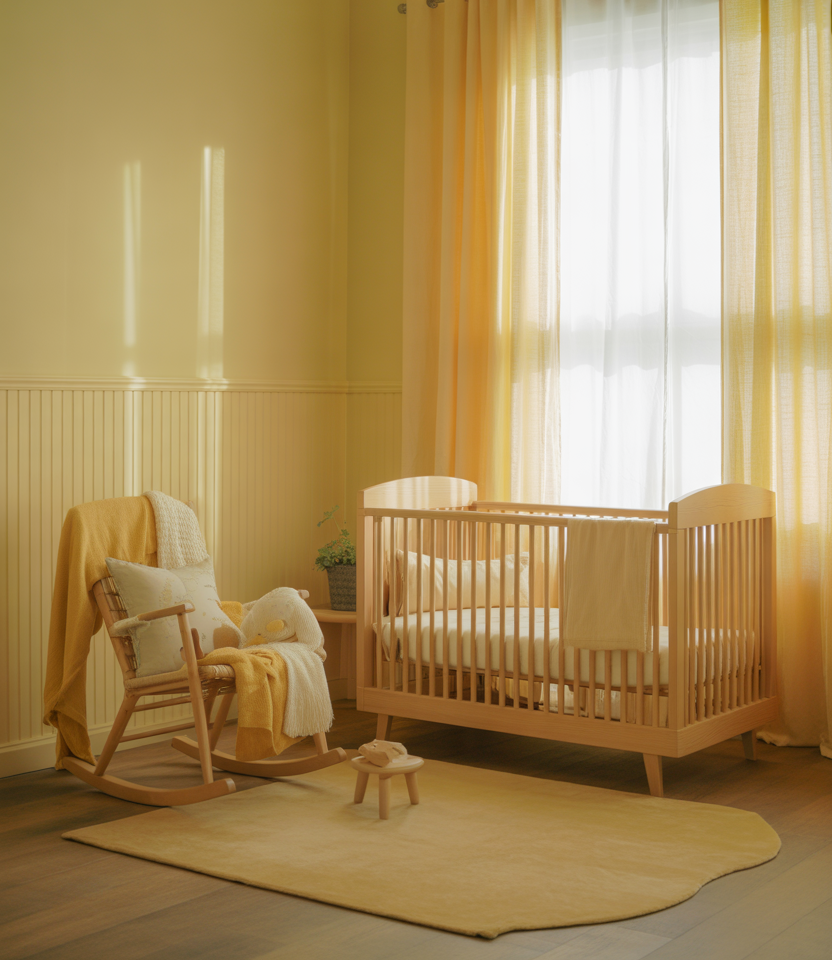
A practical insight worth noting: yellow works best when softened with warm whites or beige. Overly saturated shades can feel tiring over time, but muted tones stay pleasant during long days and sleepless nights.
12 Cozy Sage Green for Everyday Calm
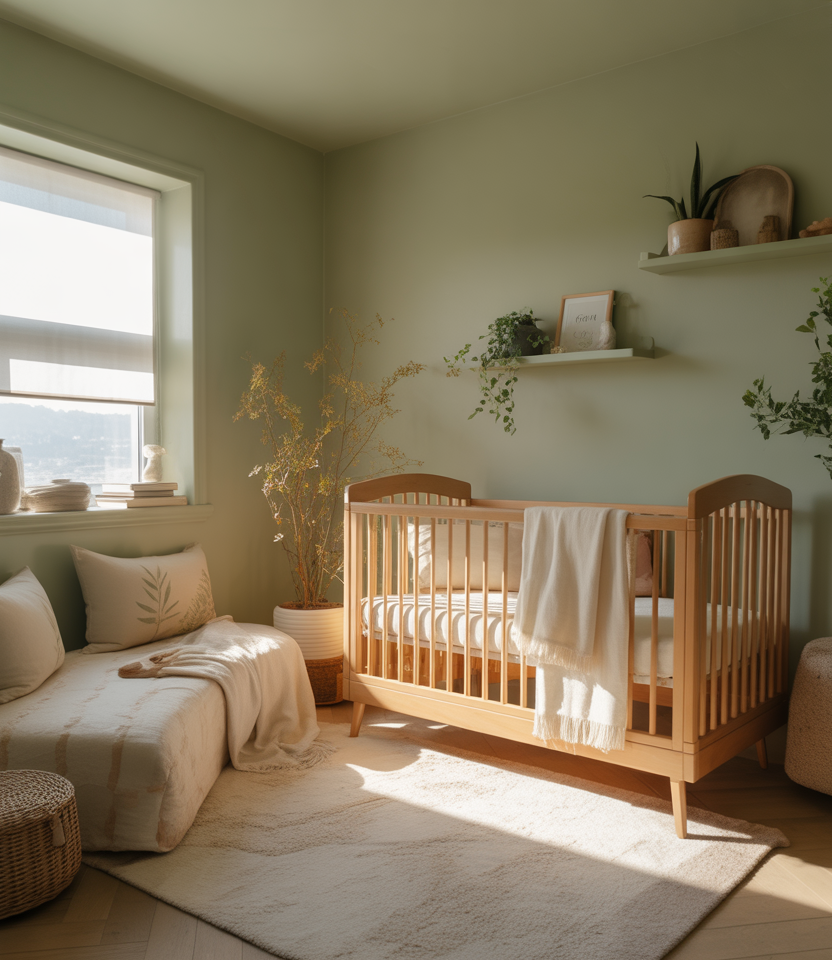 Built around sage green and layered green hues, this nursery feels grounded and restorative. Natural textures and a cozy layout help the room function as both a sleep space and a quiet retreat for parents. The look feels current in 2026 without chasing fast-moving trends.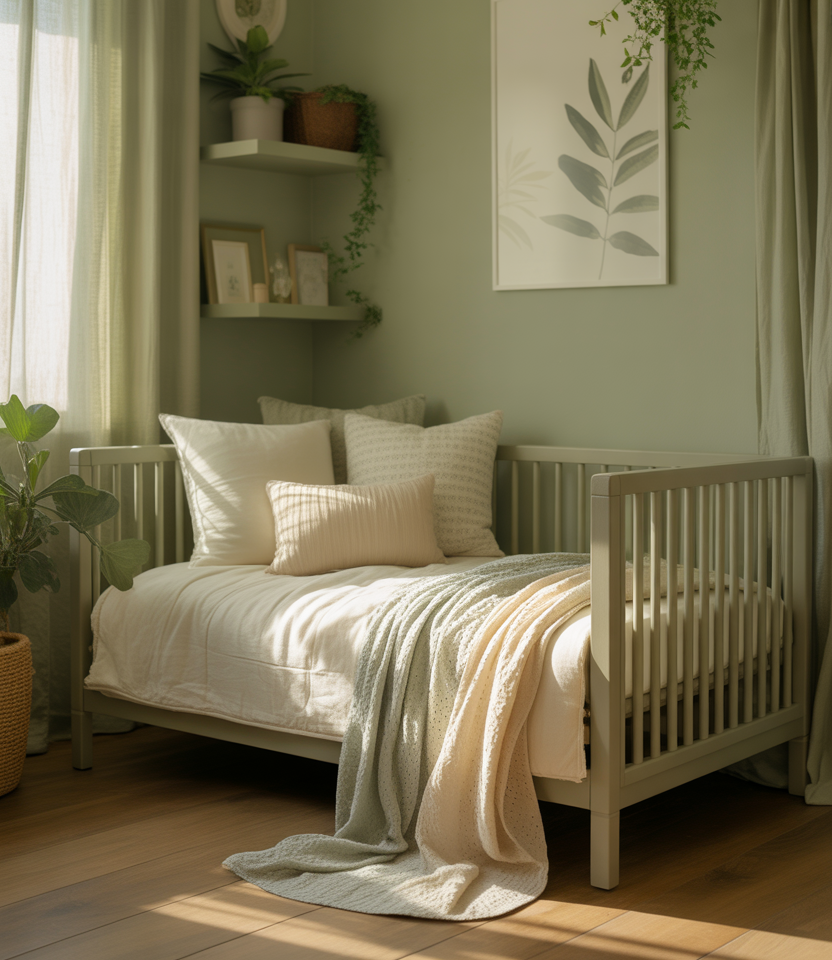
In many American homes, especially suburban ones, green nurseries connect visually with outdoor yards or trees. That continuity helps the room feel calmer and more expansive.
13 Whimsical Pastels with Storybook Energy
This nursery blends whimsical details with soft pink and purple accents for a playful yet gentle mood. Rounded shapes, light patterns, and airy fabrics keep the space dreamy without overwhelming a young child’s senses.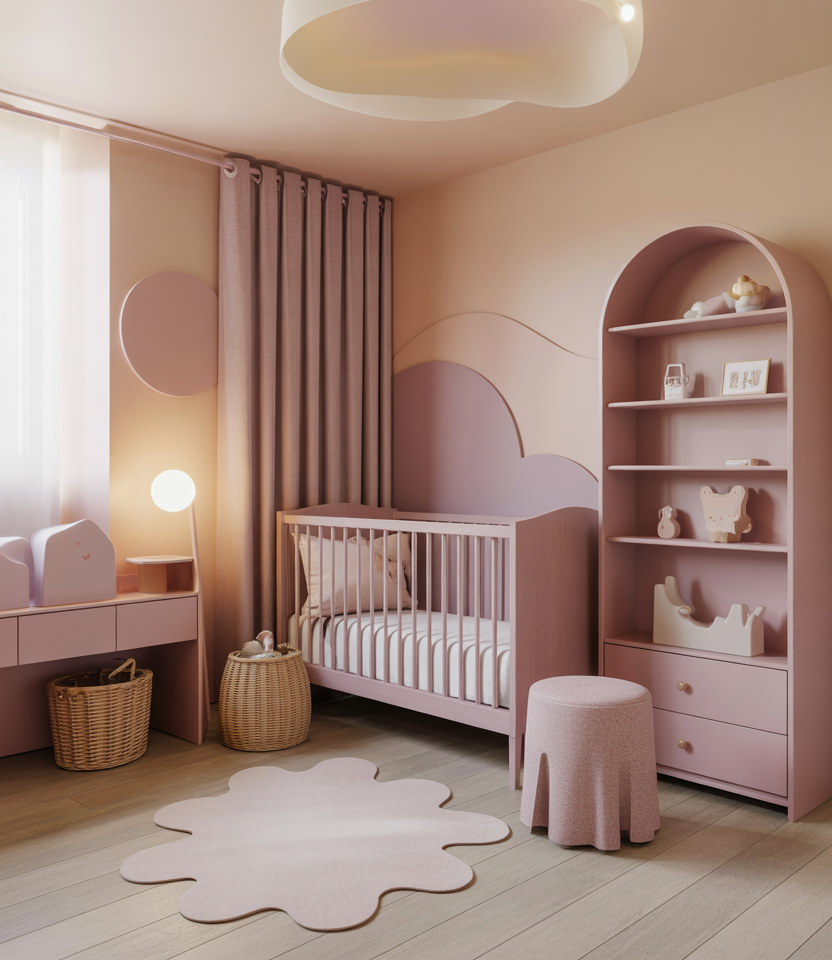
I once saw a nursery like this where the parents slowly added handmade art over the first year. The room evolved naturally, becoming more personal with time rather than finished all at once.
14 Tiny Nurseries with Smart Color Balance
Designed for a tiny room, this idea uses neutral walls paired with carefully placed colorful accents. The goal is visual breathing room—nothing feels crowded, yet the nursery still feels warm and expressive.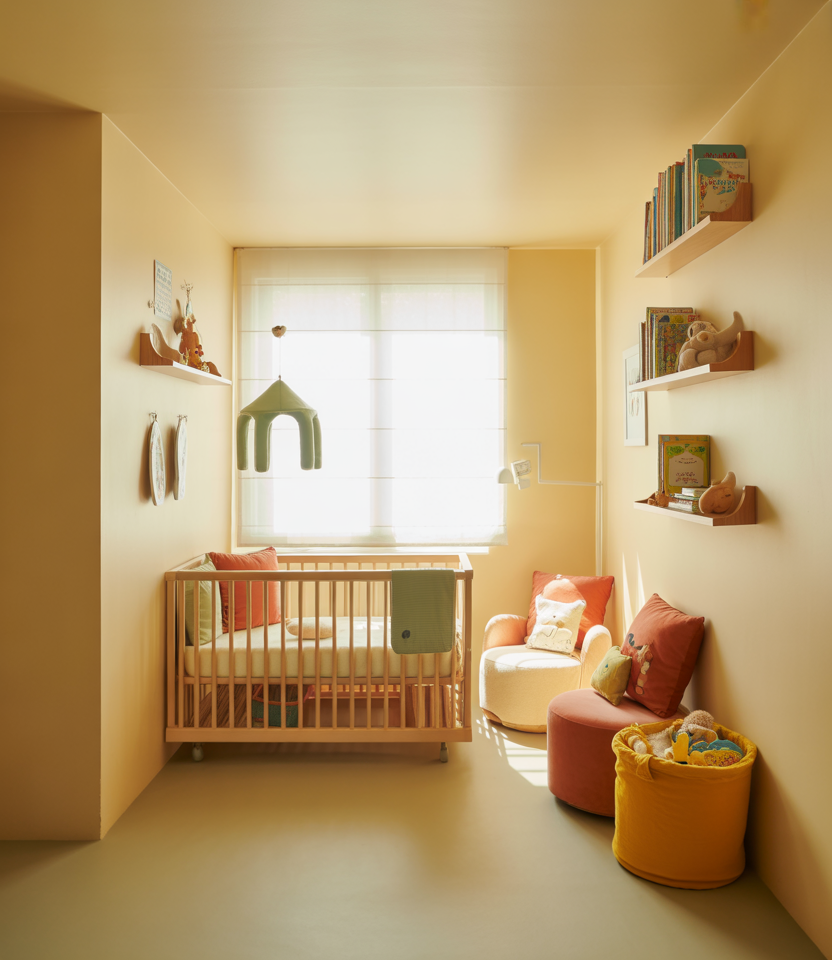
This approach works best in apartments or older homes where space is limited. Keeping the base neutral allows light to bounce around the room, making it feel larger than it is.
15 Earthy Jungle Without the Theme Overload
This take on a jungle nursery leans into earthy textures and soft green tones instead of bold murals. The result feels organic and relaxed, not like a themed playroom frozen in time.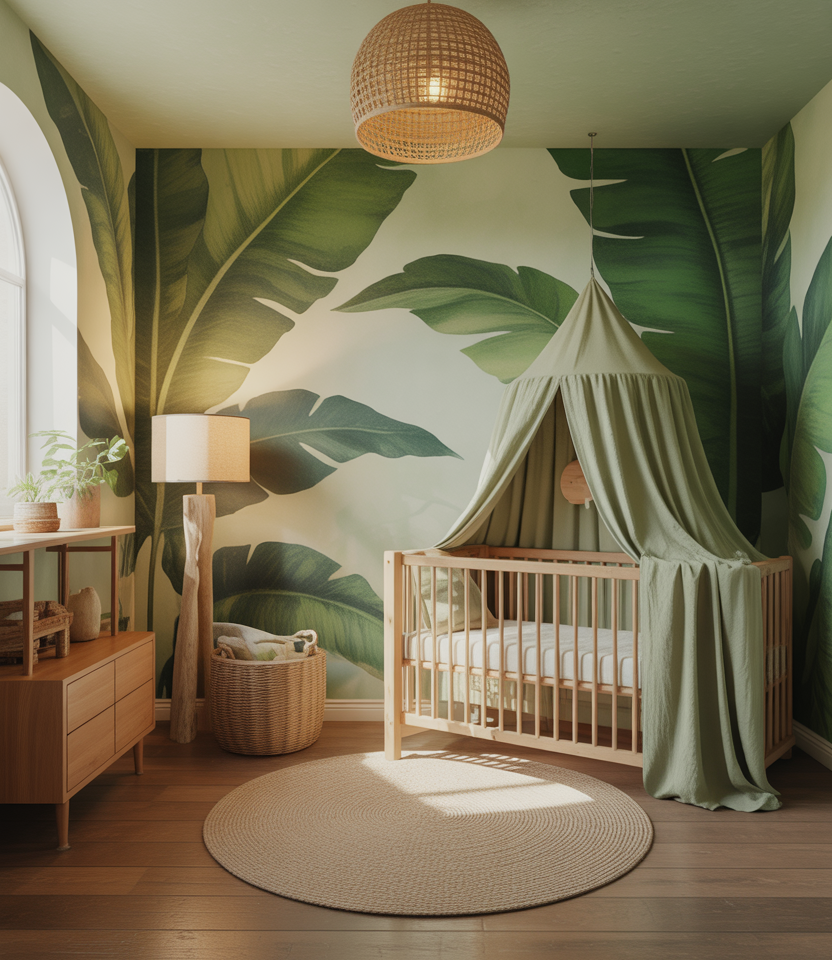
From a budget perspective, this style is forgiving. Many elements—plants, baskets, wooden furniture—can be reused elsewhere in the home as the nursery changes.
16 Nautical Neutrals for Long-Term Style
This nursery revisits nautical design through a unisex and neutral lens. Soft blues, warm whites, and textured fabrics create a look that feels classic without being overly literal.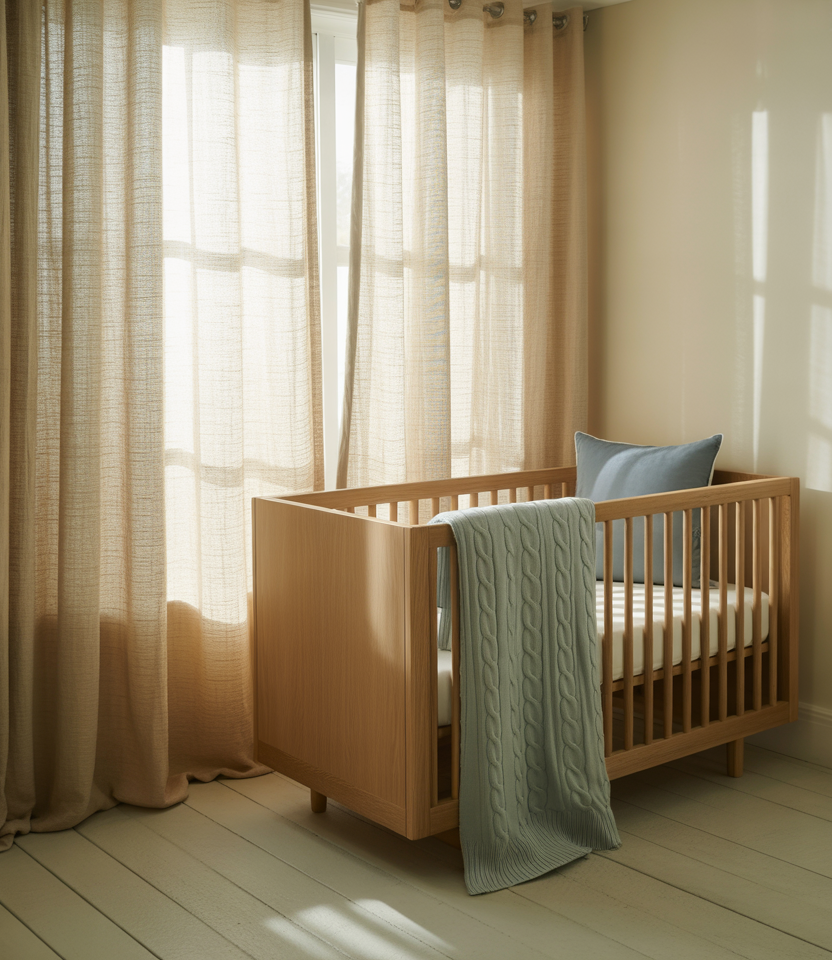
Many homeowners naturally gravitate toward this look because it feels safe and adaptable. It’s a style that transitions easily into a toddler room with minimal changes.
17 Twin Nursery with Soft Color Symmetry
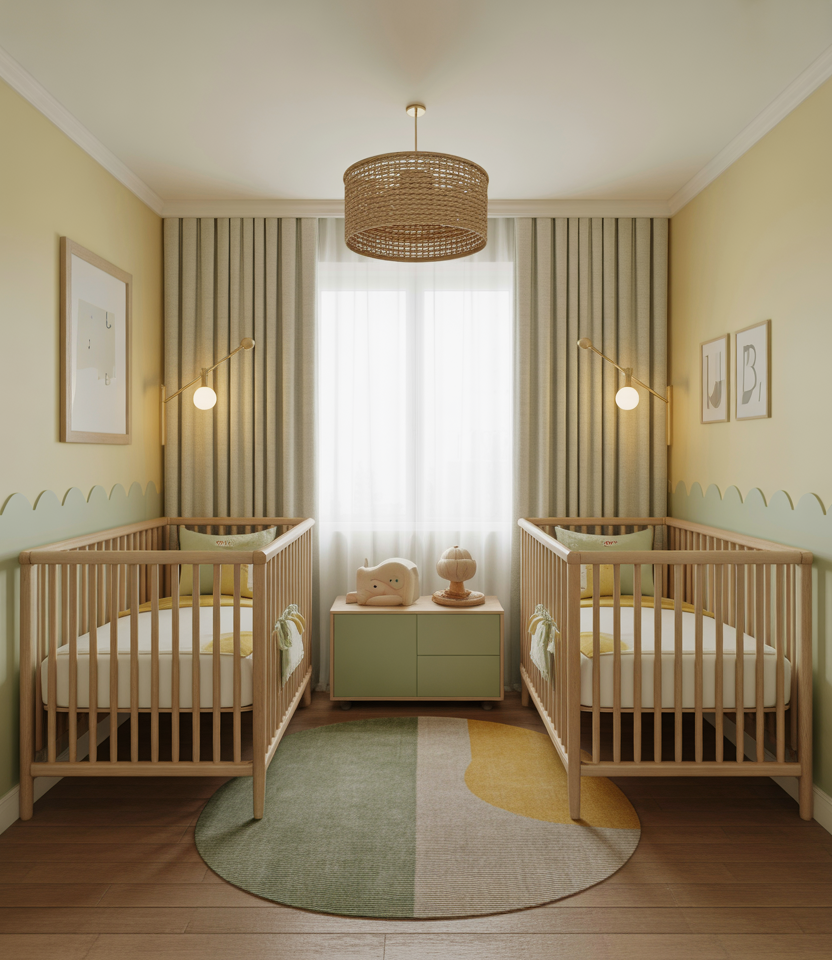 This twin nursery uses a balanced mix of yellow and green accents to define each side while keeping the room cohesive. Matching furniture and mirrored layouts bring visual order to shared spaces.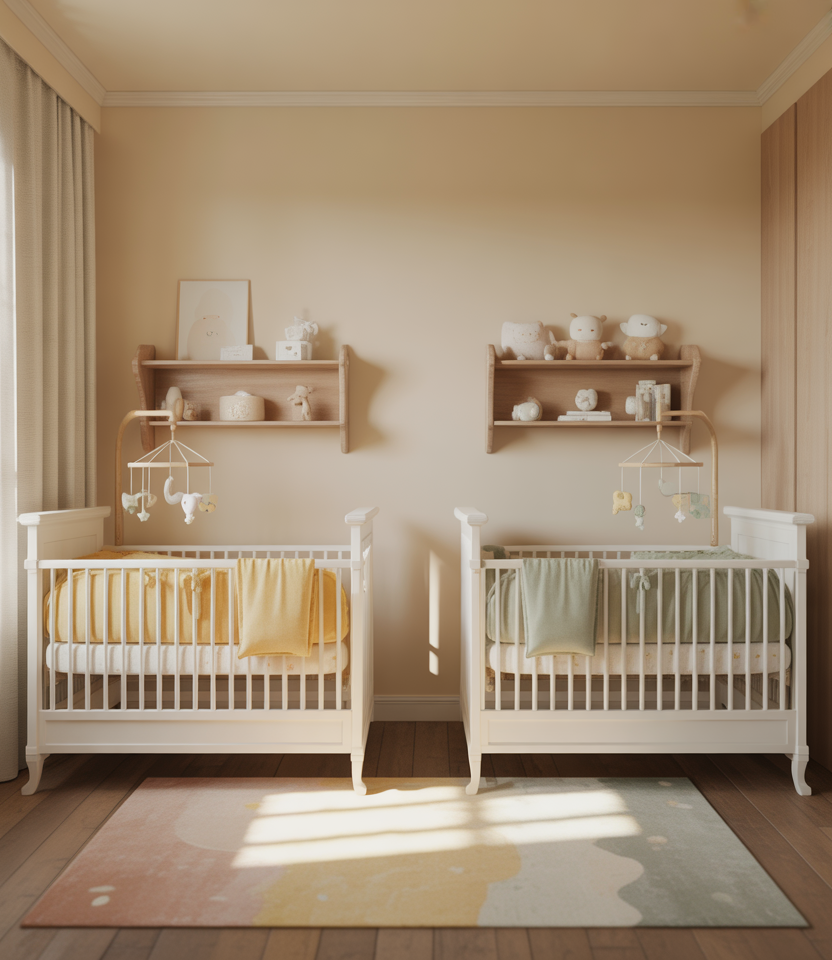
A common mistake in shared nurseries is over-decorating each side differently. Keeping colors aligned helps the room feel calmer and easier to manage day to day.
18 Classic Story Characters Done Gently
Inspired by Winnie the Pooh and subtle Disney references, this nursery favors illustration-style art and muted tones. The result feels nostalgic and cute without overwhelming the space.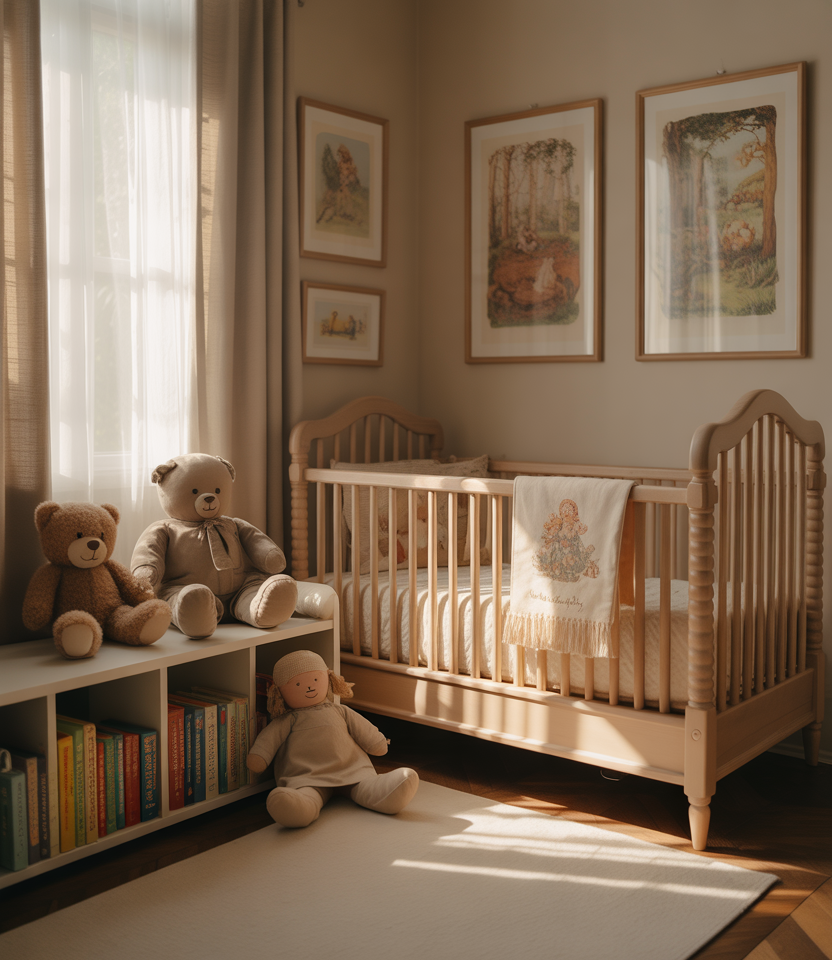
Parents often choose this approach because it reflects their own childhood memories. It feels emotionally rich without locking the room into a single age or phase.
19 Western Simplicity with Modern Comfort
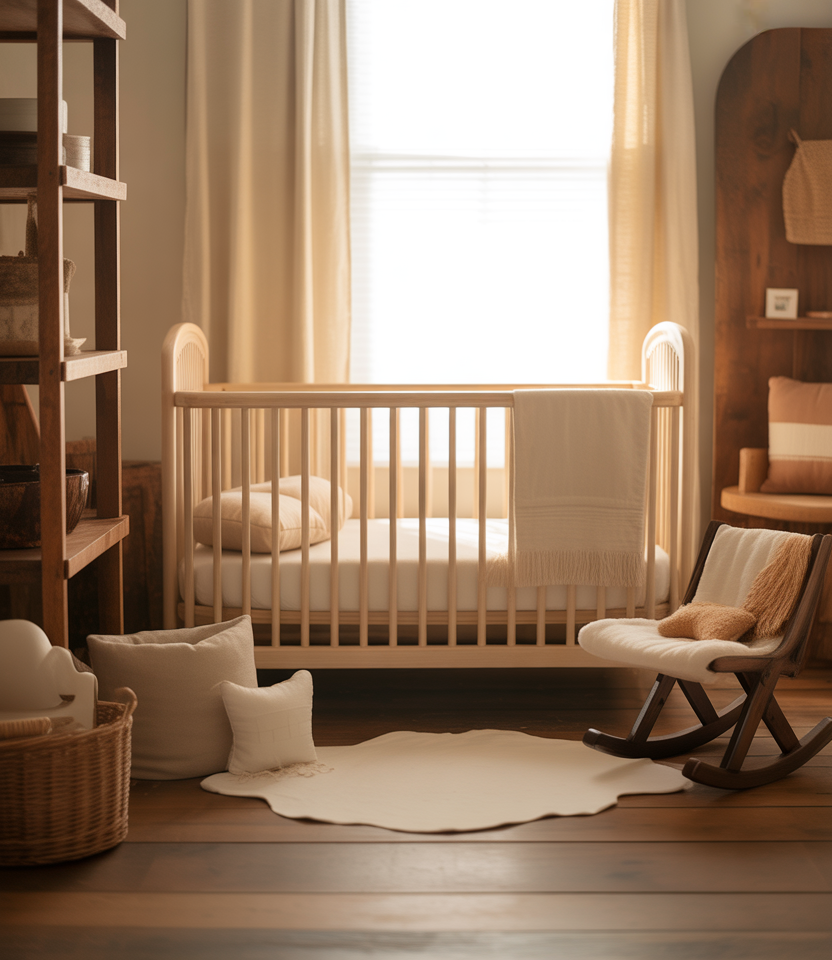 This nursery blends Western influences with a clean, neutral foundation. Soft leather accents, warm woods, and simple textiles give the room character while keeping it calm and practical.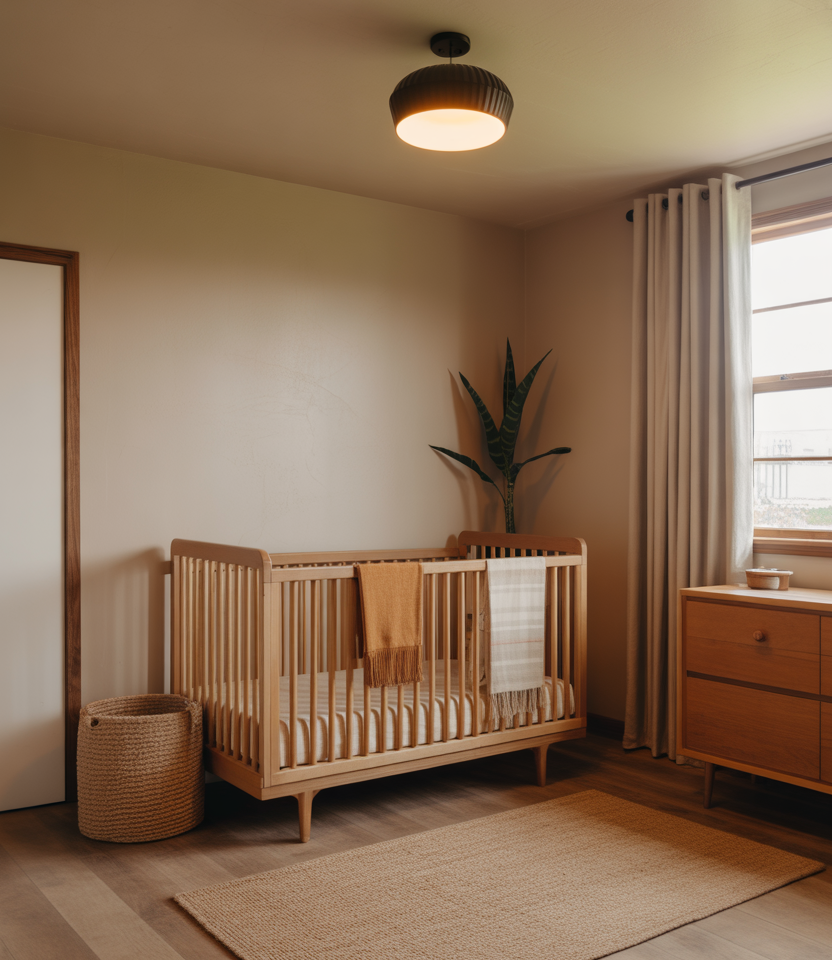
Design-wise, restraint is key here. Limiting rustic elements to a few well-chosen pieces prevents the room from feeling heavy or dated.
20 Playful Digital Colors for Modern Families
Influenced by Bloxburg visuals, this nursery uses colorful blocks against a calm base to create energy without chaos. It feels fresh, modern, and intentionally playful for design-forward parents.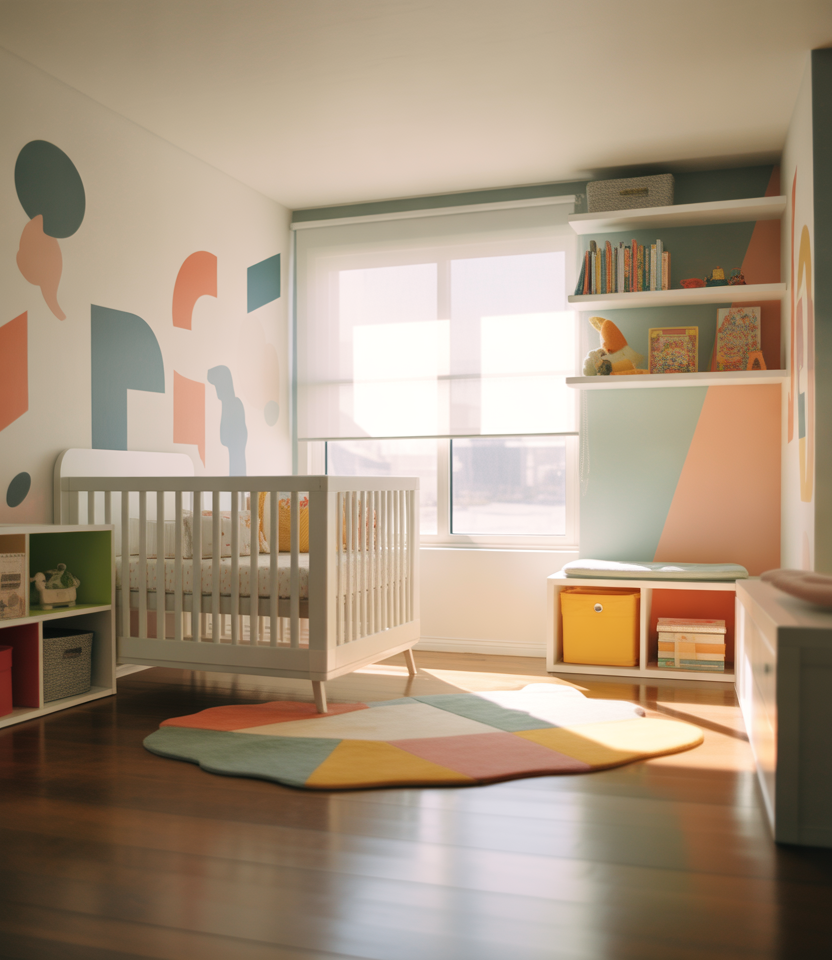
The practical takeaway is control. Using bold color in measured doses keeps the nursery visually stimulating while still supporting rest and routine.
21 Soft Church-Inspired Serenity
 This nursery draws inspiration from quiet church interiors, using neutral tones, gentle symmetry, and soft natural materials. The result feels peaceful and grounded, perfect for parents who want a calming environment without decorative noise. Subtle textures and warm light create a sense of stillness that supports rest and routine.
Expert designers often note that visual simplicity helps regulate mood in early childhood spaces. Fewer contrasting elements allow the eye to rest, which can make bedtime routines feel smoother and less overstimulating.
22 Nautical Blue Meets Cozy Comfort
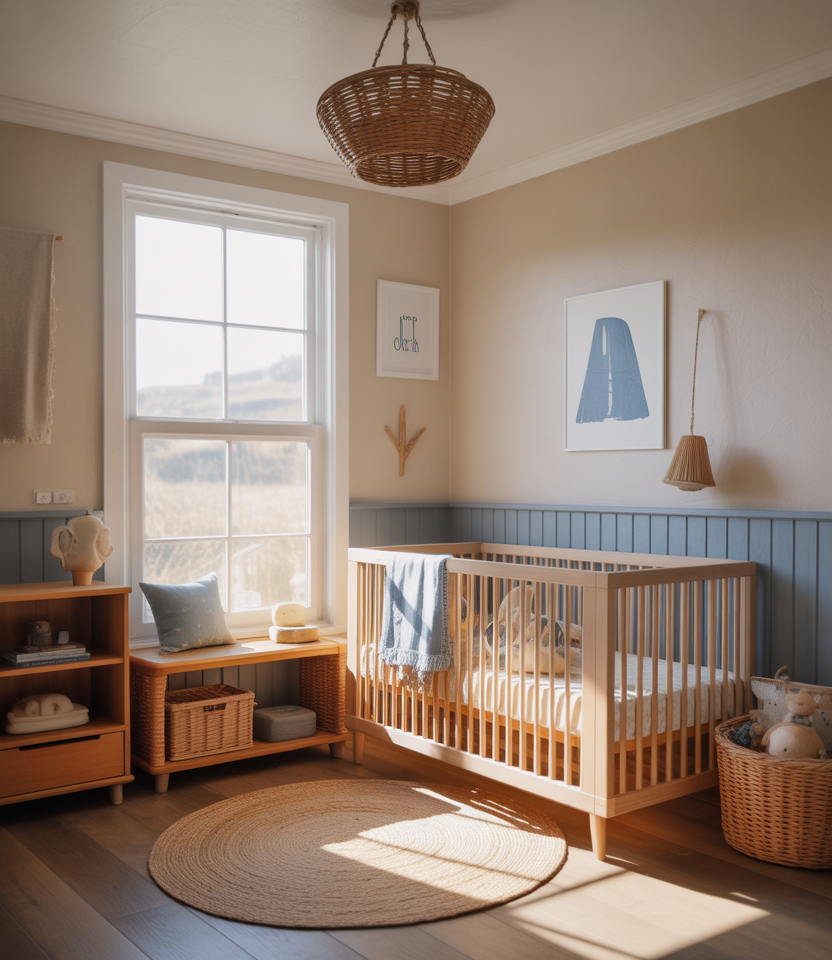 This idea reimagines nautical style with soft blues layered into a cozy, gender-neutral setting. Instead of bold stripes or icons, texture does the work—woven rugs, cotton bedding, and warm wood tones balance the cool palette.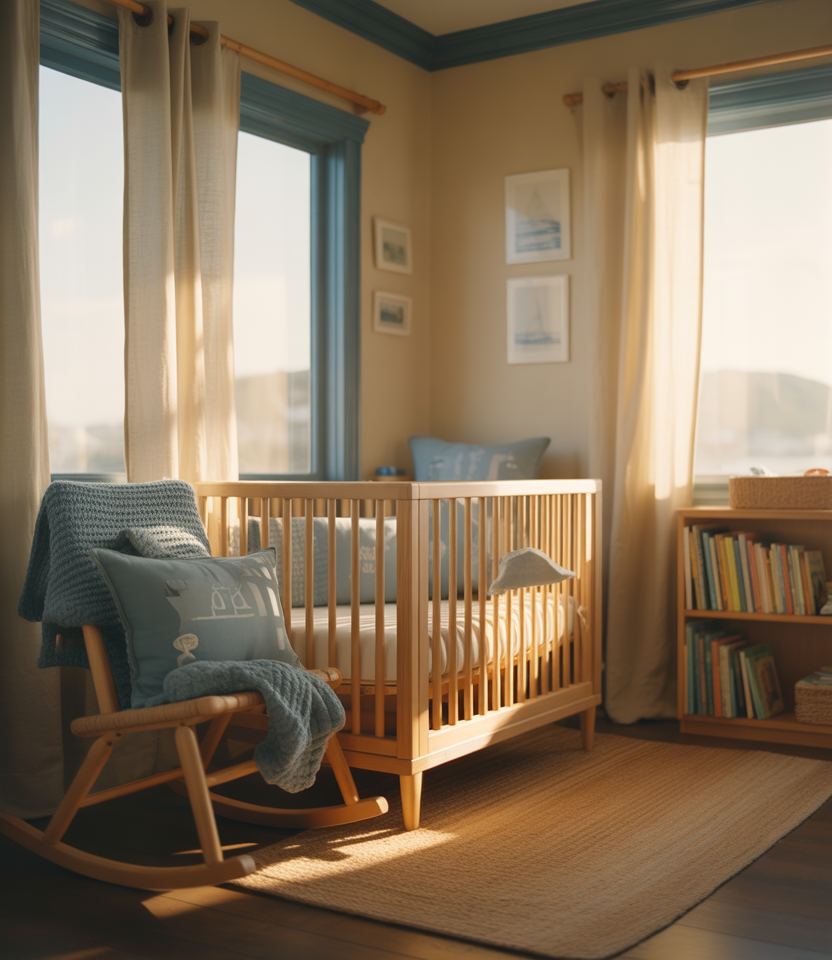
This approach works especially well in family homes where the nursery opens into shared living areas. The colors feel familiar and blend naturally with the rest of the house rather than standing apart.
23 Whimsical Forest Fairytale
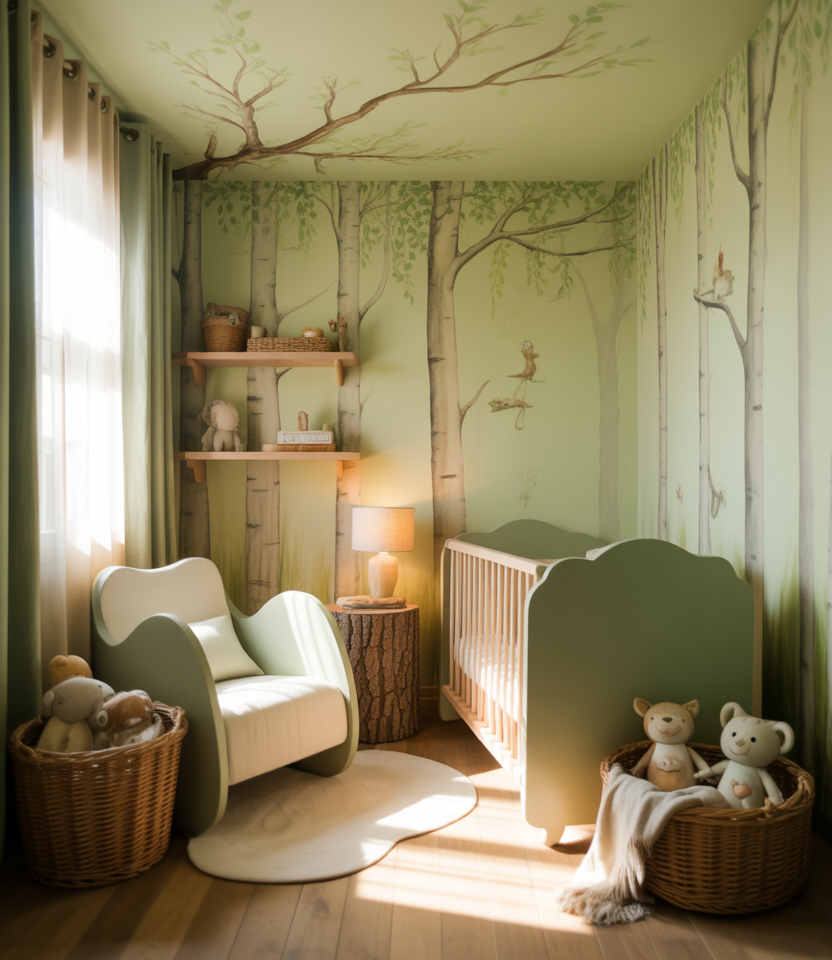 Blending forest influences with whimsical touches, this nursery feels like a gentle fairytale rather than a literal theme. Soft greens, rounded shapes, and natural textures keep the room imaginative yet soothing, striking a balance between play and rest.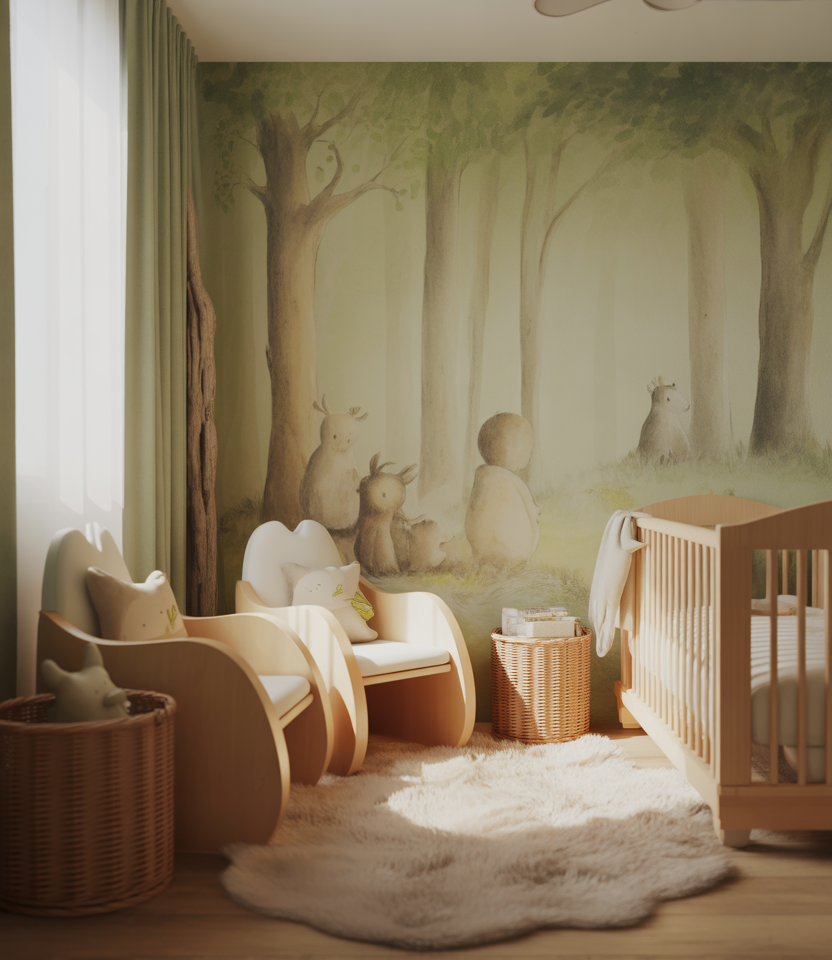
A common mistake is going too dark with forest palettes. Keeping greens muted and pairing them with light woods helps prevent the room from feeling enclosed or overly moody.
24 Unisex Colorful Balances for Modern Living
 This nursery embraces colorful design through a carefully balanced, unisex lens. Soft contrasts, clean lines, and intentional placement ensure the room feels lively without becoming chaotic—ideal for modern American families seeking personality with order.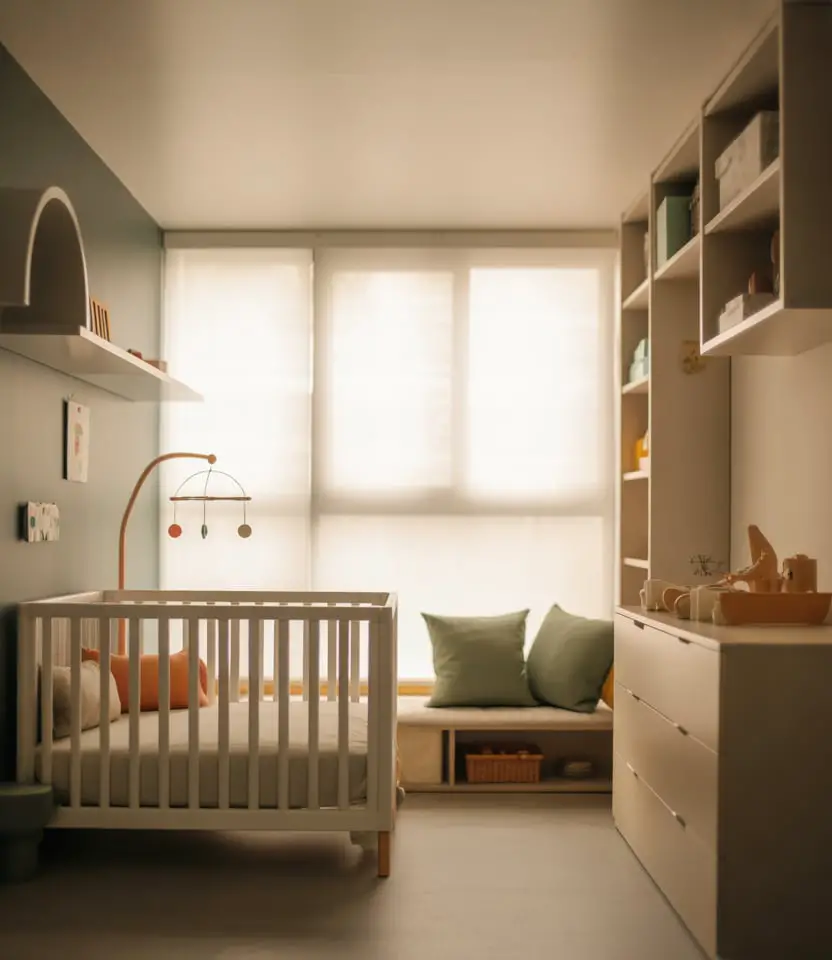
Real homeowners often find that this style adapts best over time. As tastes shift, colors can be swapped or toned down without changing the foundation, making it a flexible long-term choice.
Nursery ideas for 2026 reflect a deeper shift toward spaces that feel thoughtful, flexible, and emotionally grounded. Whether you lean neutral, playful, or story-inspired, the best nursery is one that grows with your family. Share your favorite ideas or personal twists in the comments—we’d love to hear what you’re planning.