33 Modern Living Room Design 2026: Fresh, Warm, and Inspiring Ideas for Every Home

Modern living room design in 2026 is becoming a space where comfort, creativity, and personality intersect. Americans on Pinterest are searching for fresh ways to mix minimalism with warmth, rethink traditional color palettes, and add character without clutter. This guide explores new design directions—from organic shapes to updated mid-century influences—while keeping ideas realistic, livable, and inspiring for everyday homes.
1 Soft Contemporary Mid-Century Warmth
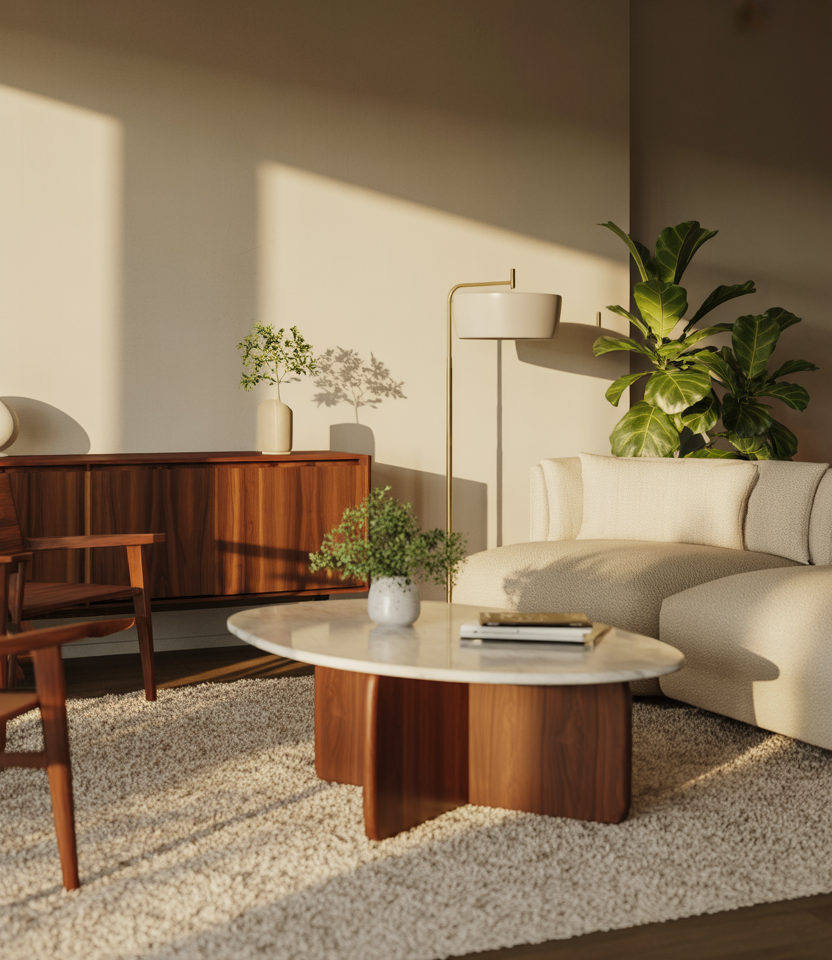 This idea blends the charm of mid-century silhouettes with the softer edges of contemporary styling. It’s ideal for anyone who wants a living room that feels structured but still inviting. Clean lines, tapered legs, and warm neutrals keep the room modern without losing personality. A muted palette creates a calm foundation with touches of wood and natural textures for depth.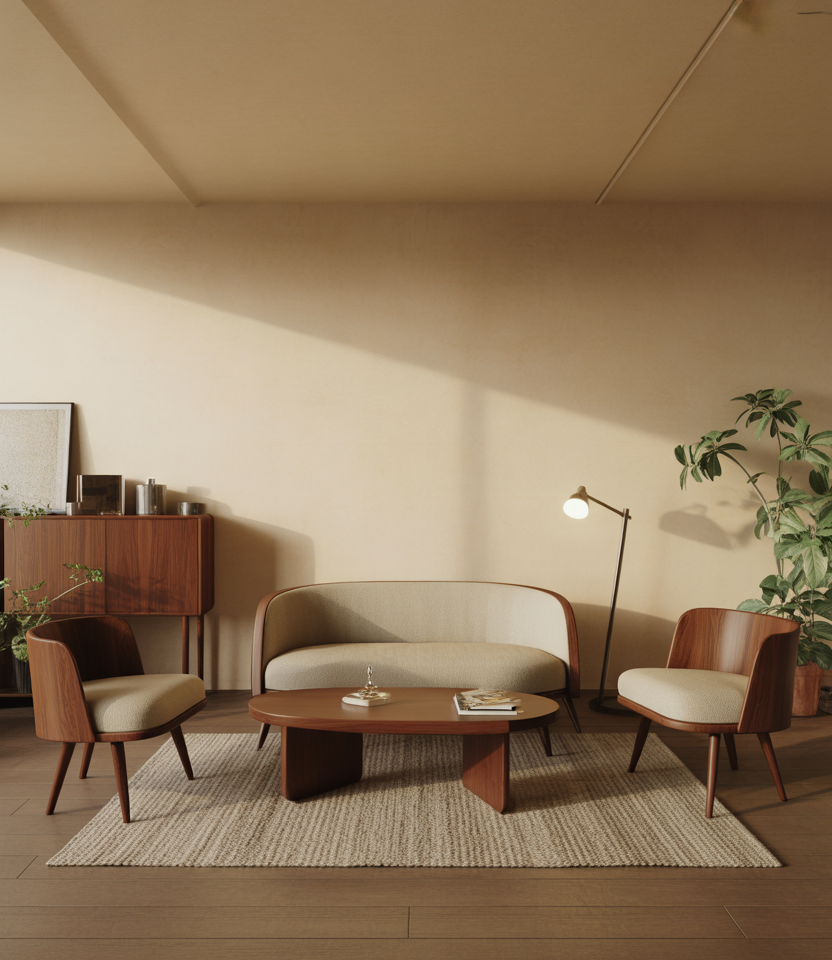
When working with this style, homeowners often overlook scale. The best results come from choosing one or two mid-century anchor pieces and letting everything else play a supporting role. Avoid cramming too many retro references into a small space—simplicity keeps the room feeling intentional and visually balanced.
2 Parisian Minimal with Organic Details
This look merges Parisian elegance with organic modern lines, perfect for light-filled homes or apartments. Soft creams, curved furniture, and subtle architectural molding make the living room feel lifted and airy. Gentle textures—linen, plaster, and pale oak—add quiet sophistication. The result is a polished yet comfortable setting that never feels overdone.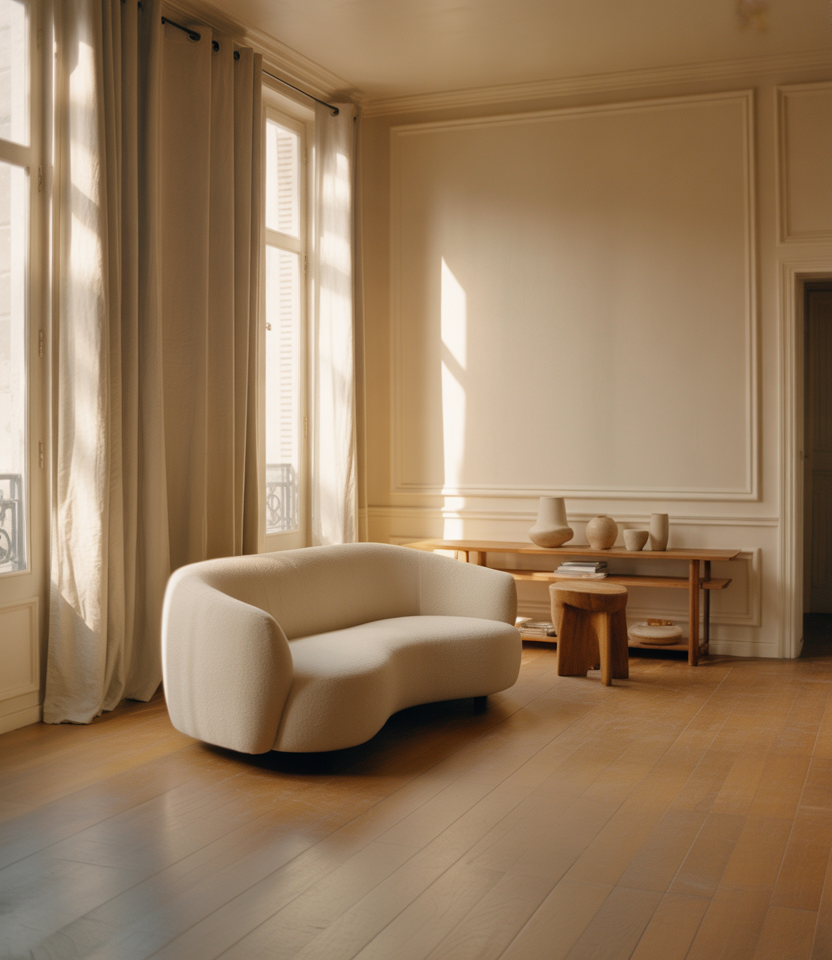
This style works best in rooms with decent natural light, but even dimmer spaces can benefit from strategic placement of soft-glow lamps. Because the palette is understated, lighting acts as the main mood-setter, helping the room feel warm, inviting, and thoughtfully layered.
3 Cozy Mid-Century Corners for Small Spaces
 A snug reading or lounging nook inspired by cozy mid-century charm and small-space planning prioritizes comfort and function. Compact seating, layered textiles, and low-profile wooden furniture add both warmth and practicality. Earthy tones and soft lighting help tiny rooms feel grounded rather than cramped, creating a purposeful pocket of calm.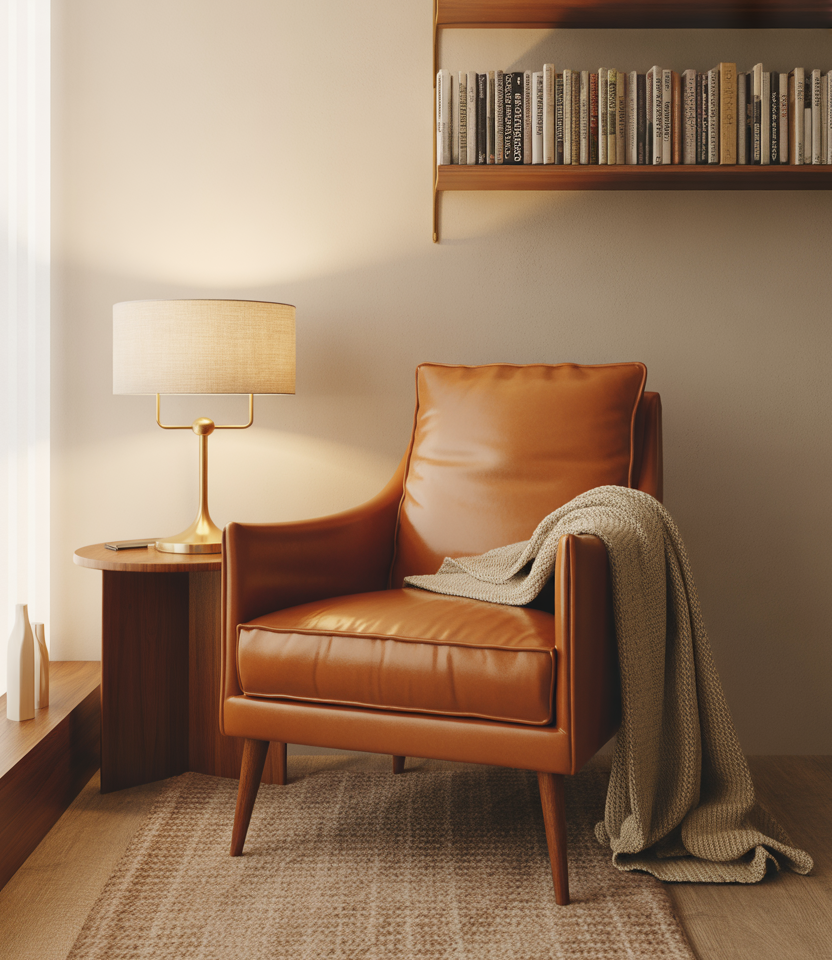
For people living in apartments, American lifestyle habits often require multifunctional corners—spaces that shift from work to rest. Incorporating storage-friendly furniture like side tables with hidden compartments keeps clutter controlled without sacrificing aesthetics.
4 Minimalist Japandi Living: Achieving Natural Balance
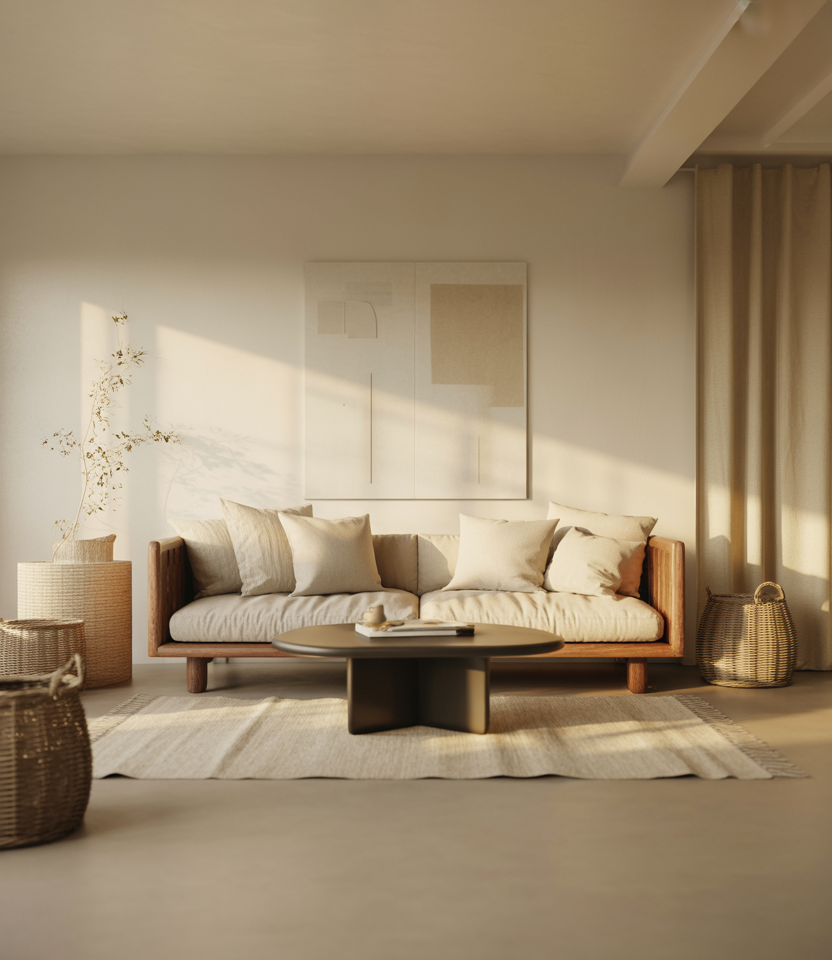 This approach draws on Japanese calm and the clean restraint of minimal design. Natural wood tones, low furniture, and airy textiles create a peaceful, grounded environment. The palette leans toward warm neutrals and soft charcoal accents, offering serenity without feeling stark. It’s a style built around subtraction, not decoration.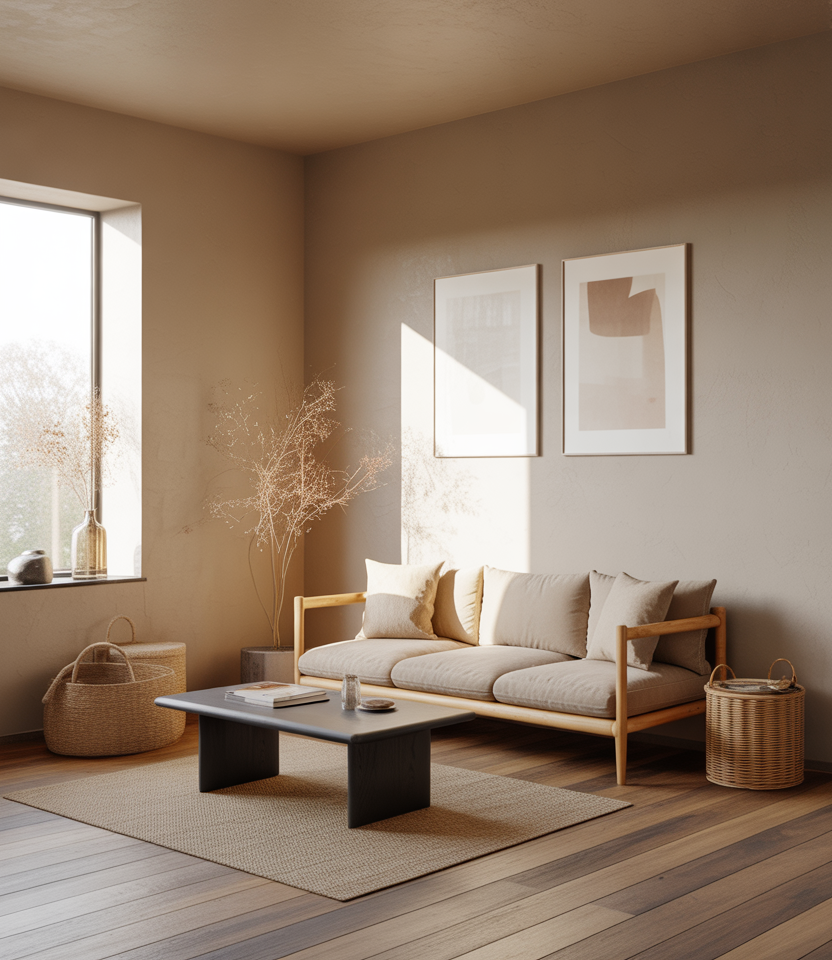
A practical insight here is to think vertically: tall storage cabinets or slim shelving add functionality without overwhelming the floor. This helps the room breathe while supporting everyday needs like organizing blankets, books, or tech accessories.
5 Luxury Modern Layers with Subtle Drama
Inspired by modern luxury textures and touches of luxury 2025 styling, this design leans toward plush fabrics, reflective surfaces, and rich contrast. Deep-toned sofas, marble side tables, and metallic accents elevate the look. The aesthetic remains modern but gains drama through tactile layering and thoughtful, moody lighting.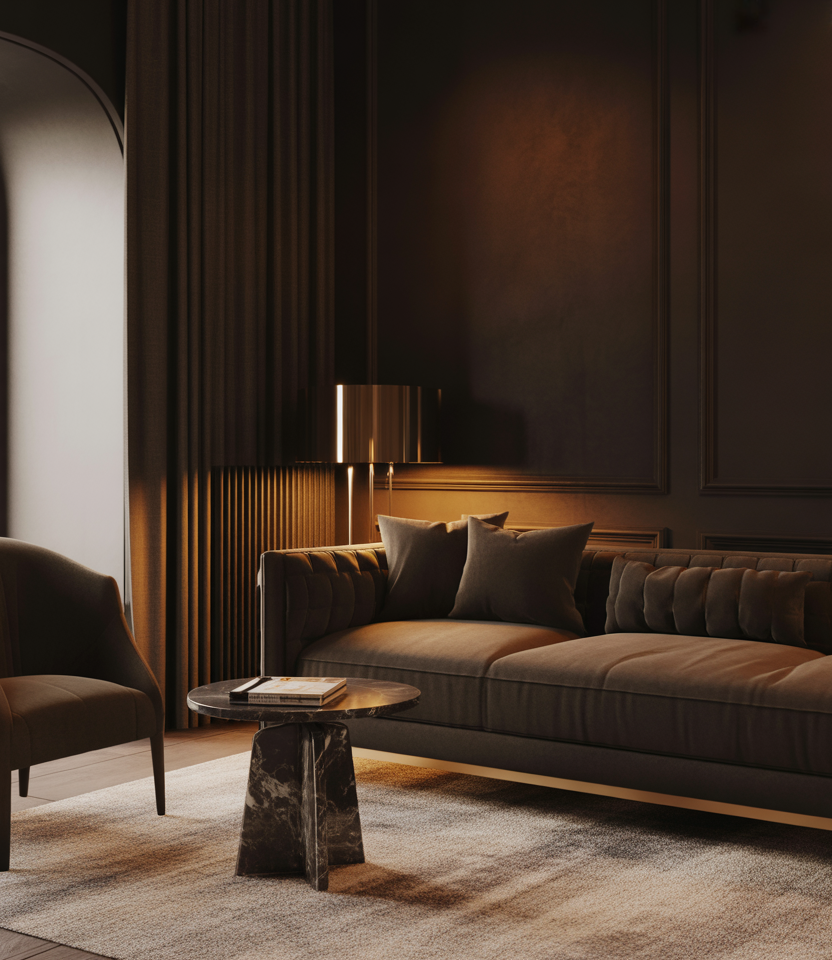
A budget angle matters here: luxury does not require overspending. High-impact textiles—velvet pillows, faux marble trays, and metallic candleholders—deliver the luxurious feel at accessible prices, allowing homeowners to elevate the space without committing to major purchases.
6 Simple Contemporary Plans for Open-Concept Homes
This idea uses simple layouts and plan-driven furniture arrangements to enhance flow in open-concept homes. Neutral colors and clean shapes keep the living room cohesive with nearby dining or kitchen zones. Subtle modern touches like slim-profile sofas, structured rugs, and layered lighting maintain clarity without losing warmth.
Real homeowner behavior shows that open plans quickly become visually chaotic when décor doesn’t coordinate. Keeping a consistent palette across zones reduces visual noise and makes transitions smoother, which is especially important in busy family homes.
7 Organic Minimalist Mid-Century Blends
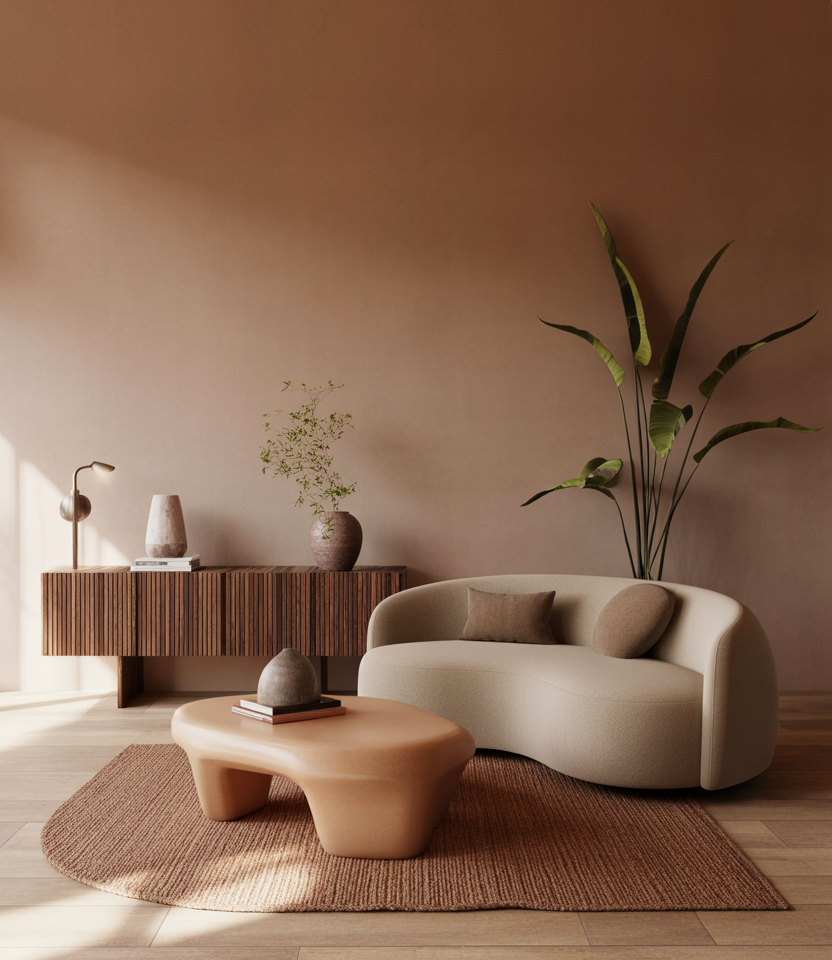 This design fuses minimalist mid-century charm with organic silhouettes. Rounded sofas, ribbed wood details, and soft, earthy fabrics bring calm while maintaining character. It’s a style that appeals to those who love the timelessness of mid-century but want something gentler and more grounded for modern life.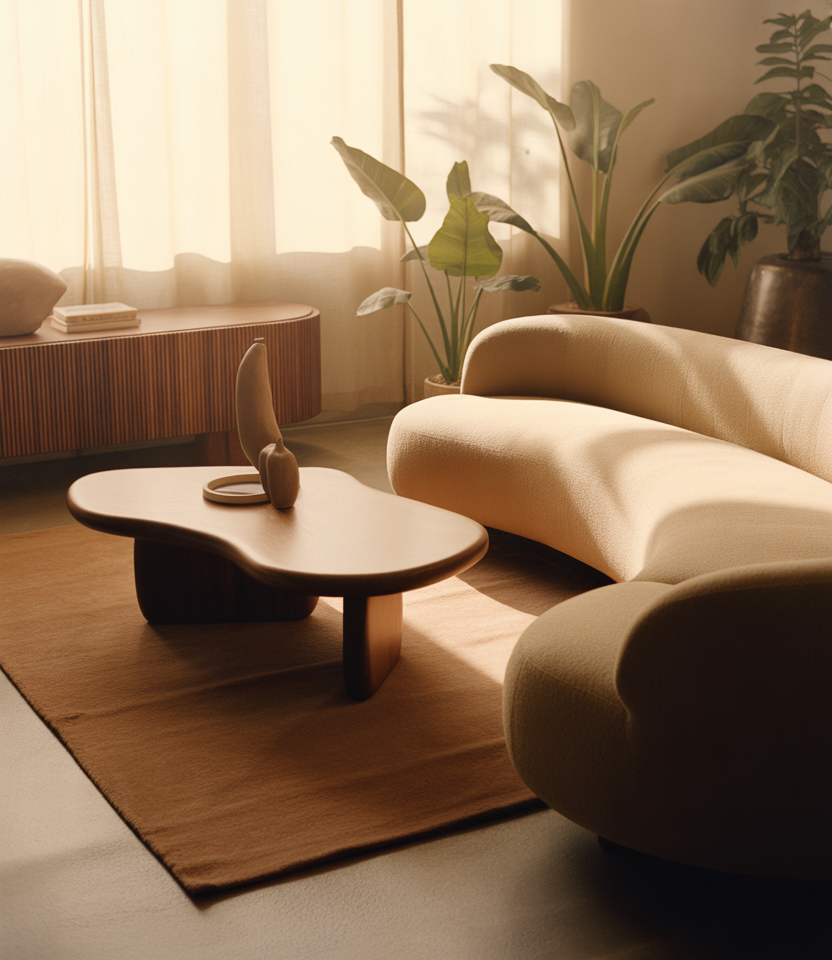
Expert-style commentary suggests focusing on materials: ribbed wood, boucle, clay ceramics, and softened geometric patterns create harmony and avoid the coldness sometimes associated with minimalism. Material variation adds personality without clutter.
8 Mirror Design Walls for Bright Modern Living
Adding a reflective accent using mirror design wall ideas and touches of the latest décor trends expands a room visually. Mirrors amplify natural light, making tight or darker living rooms feel larger and airier. Thin brass frames, organic shapes, or fluted edges add interest while blending seamlessly into modern interiors.
Where it works best: apartments and small living rooms benefit most from mirror installations. For larger homes, consider using mirrors opposite windows to maximize daylight without adding artificial brightness.
9 Classic Neutral Living Rooms with Modern Trim
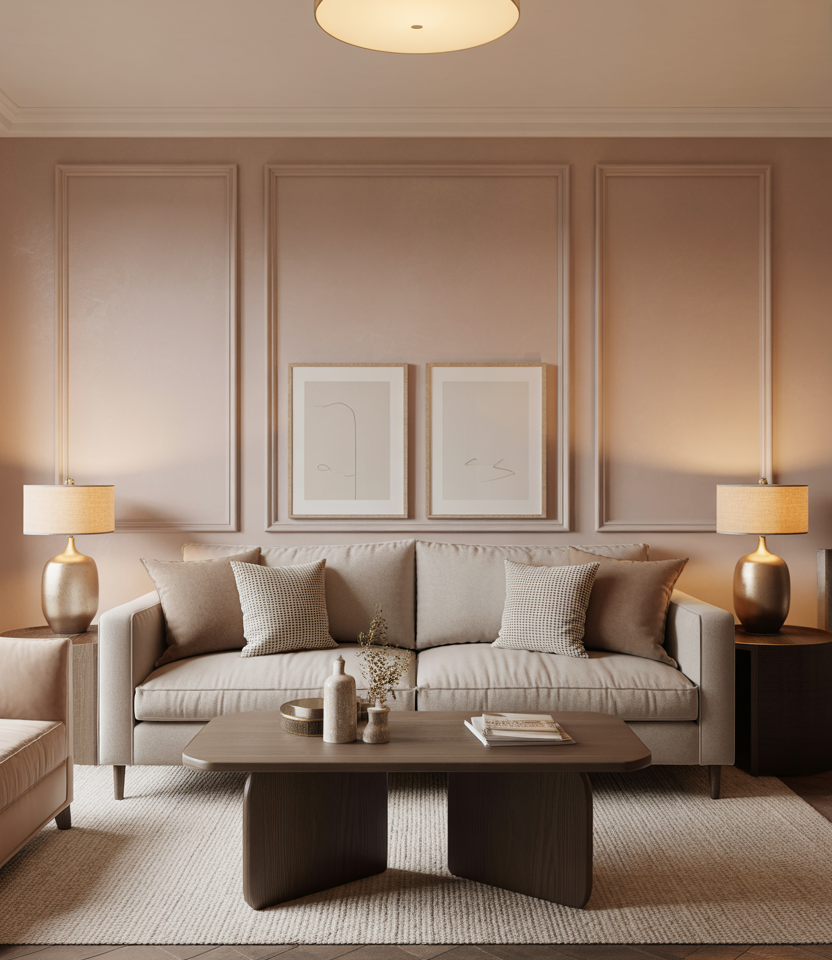 This look mixes classic shapes with neutral palettes to create a grounded and welcoming living room. Soft beiges, sand tones, and creamy whites form the backdrop for transitional furniture. Modern trim and contemporary lighting prevent the room from feeling old-fashioned while preserving its calm elegance.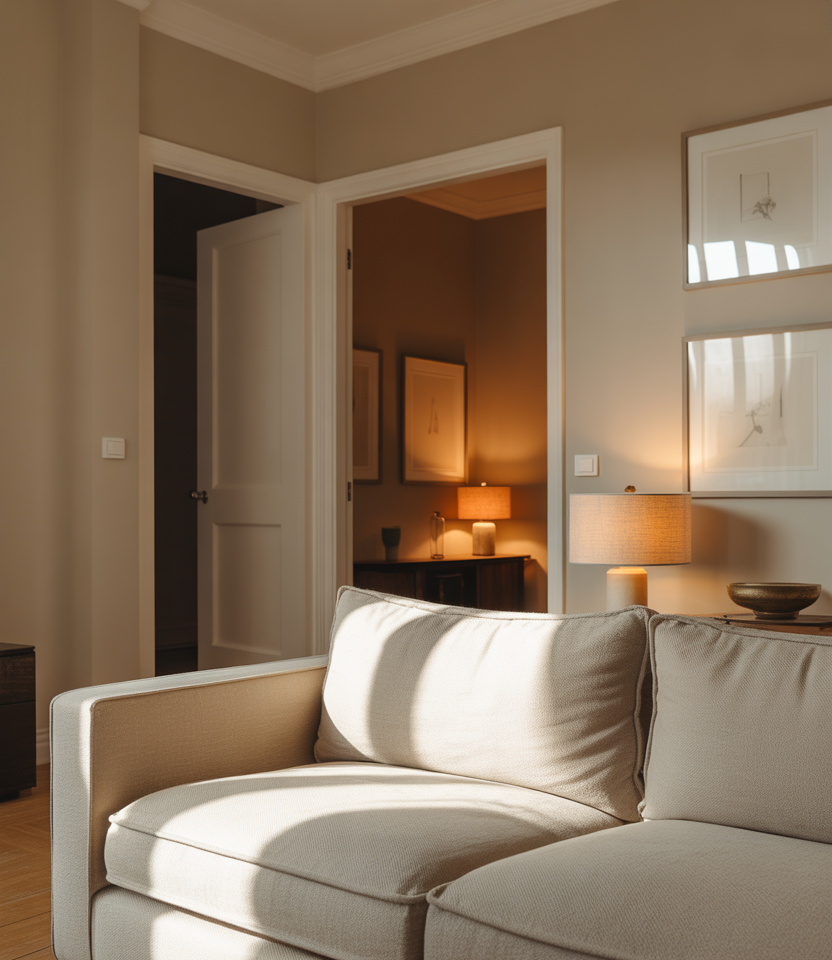
A micro anecdote: A homeowner in Virginia shared that switching her bright wall colors to warm neutrals immediately made her living room feel calmer and more cohesive. Sometimes the simplest shifts have the most transformative impact.
10 Indian Modern Fusions for a Rich yet Clean Look
This idea blends Indian-inspired textures with decor minimalism. Think carved wood elements paired with modern low sofas, earthy textiles, and brass accents. The fusion creates a layered but uncluttered living room that feels warm, cultural, and visually balanced. Rich tones contrast beautifully with clean modern lines.
A common mistake is using too many patterns at once. The key is restraint—choose one dominant motif and allow everything else to be simpler. This keeps the room from drifting into visual overload while preserving cultural richness.
11 Modern Minimal Lounges with Sculptural Accents
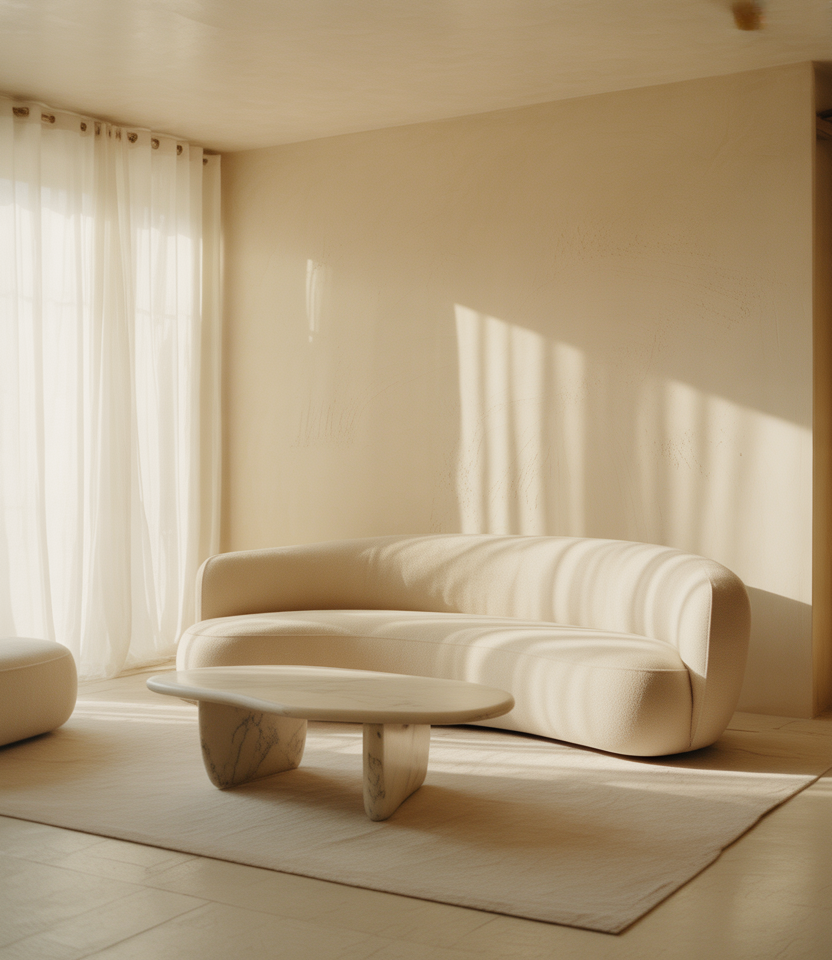 This living room approach blends minimalist ease with gently curved pieces drawn from contemporary mid-century aesthetics. Soft silhouettes, sculptural side tables, and muted tones create an airy retreat that feels both calm and expressive. Light woods and textural rugs help keep the space warm without disrupting the clean lines.
Where it works best: Homes with open layouts or tall ceilings benefit from the calm geometry of sculptural minimalism. The clean backdrop allows statement forms to shine without overwhelming the room’s visual flow.
12 Small Modern Gathering Spaces with Warm Classic Touches
This idea merges classic silhouettes with a fresh, simple approach to space planning. Soft-backed sofas, framed paneling, and neutral upholstery create a welcoming atmosphere for compact living rooms. The mix feels refined yet uncomplicated, giving small areas just enough elegance without weighing them down.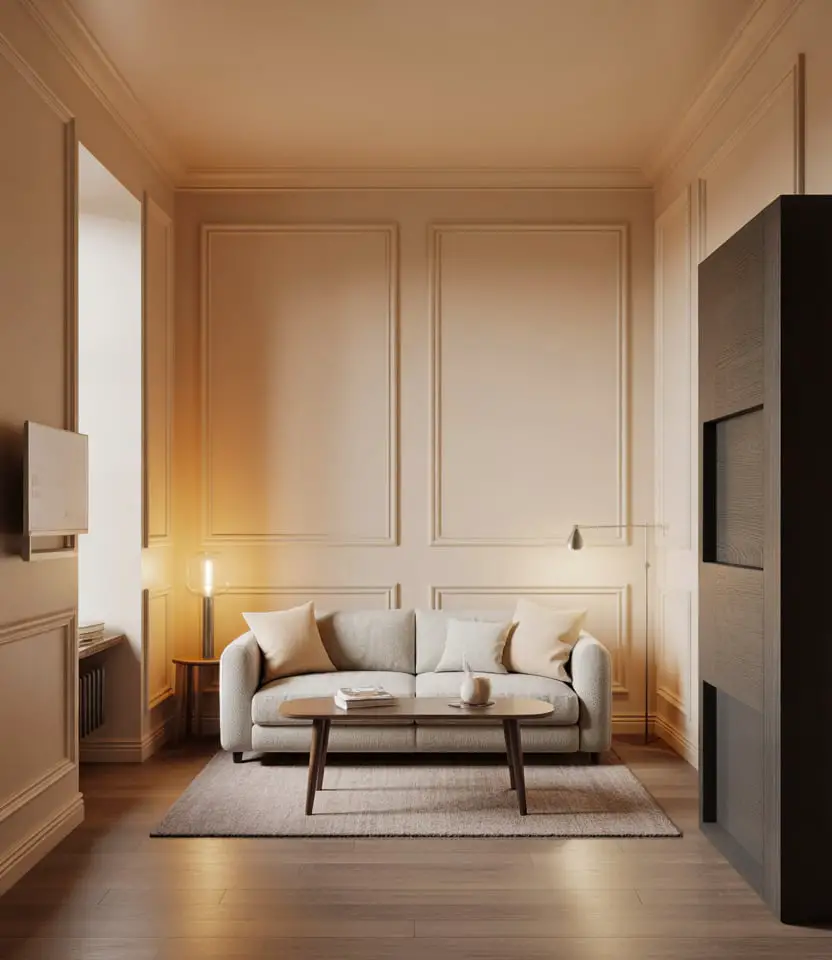
A practical insight: classic touches look best when balanced with modern proportions. Opt for slimmer silhouettes and lighter fabrics to keep the room from feeling overly traditional or crowded.
13 Mid-Century Arc Lighting Over Cozy Seating
Here, iconic mid-century lighting pairs with a cozy seating arrangement, creating a warm, modern focal point. An elegant arc lamp hovers over a plush sofa, offering gentle illumination in the evenings. Simple wood elements and clean upholstery keep the overall look understated yet charismatic.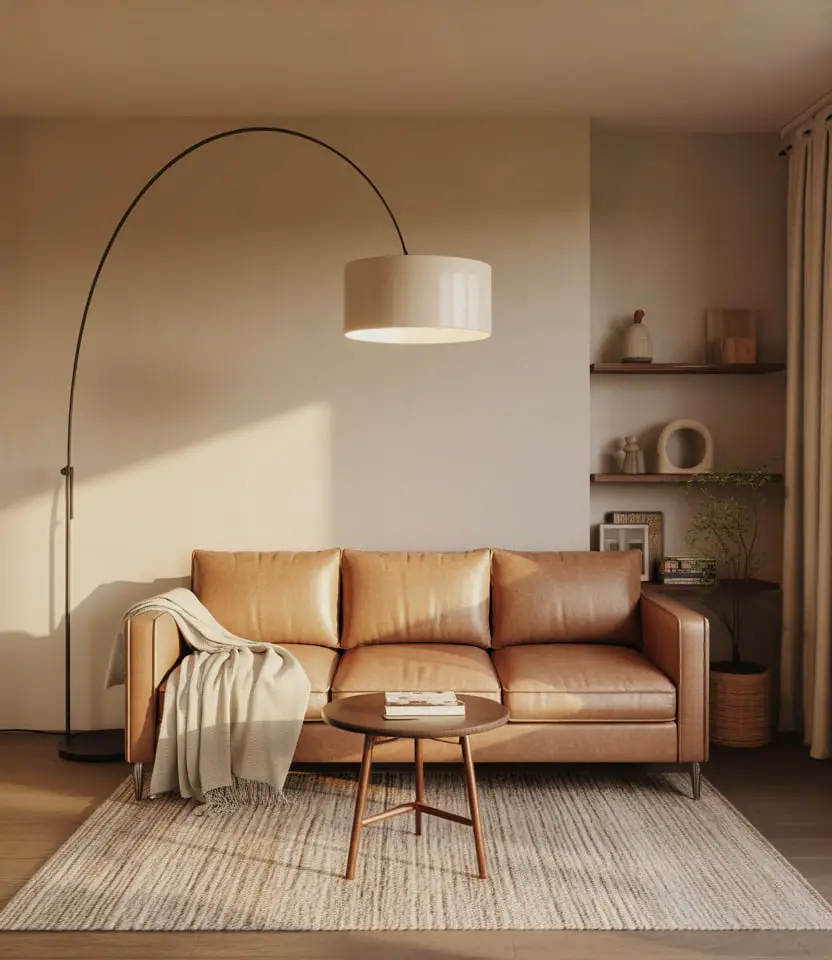
American lifestyle context: arc lamps are popular in apartments and rentals because they add architectural presence without requiring overhead installations, making them ideal for flexible and temporary living situations.
14 Neutral Organic Lounge with Minimal Decor
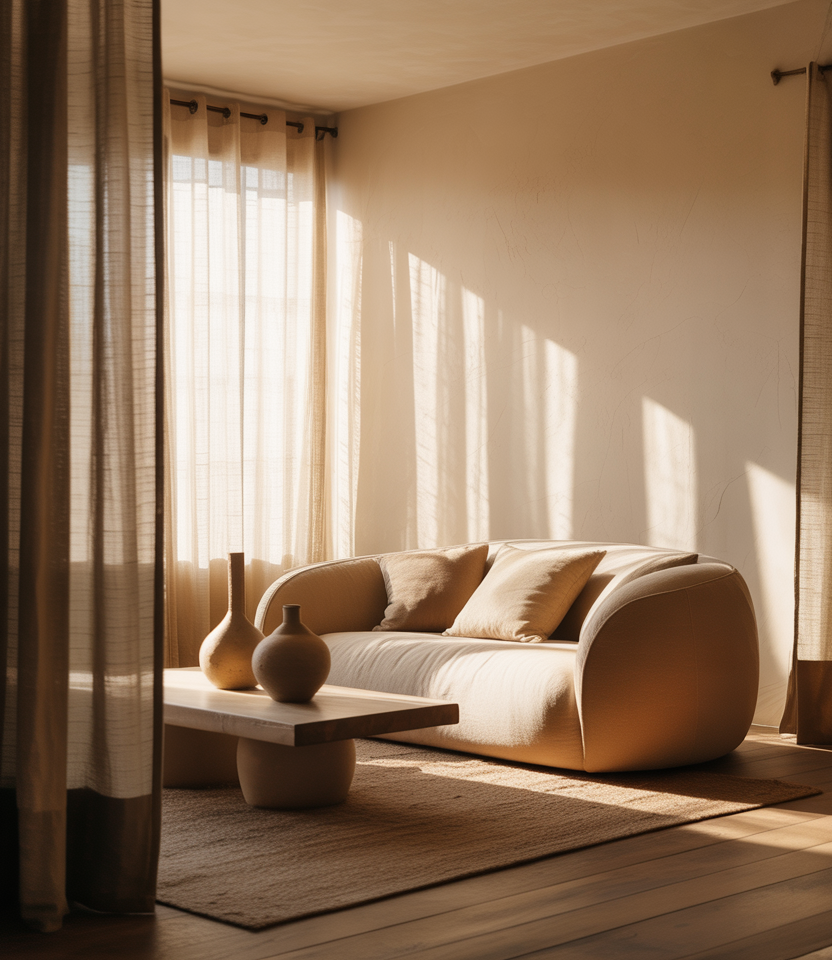 This design blends organic forms with a restrained decor approach, emphasizing tone-on-tone palettes. Low, curved sofas in sandy hues pair with matte pottery and natural fiber rugs. The atmosphere feels grounded and effortless, ideal for those seeking a breezy, harmonious living room without clutter.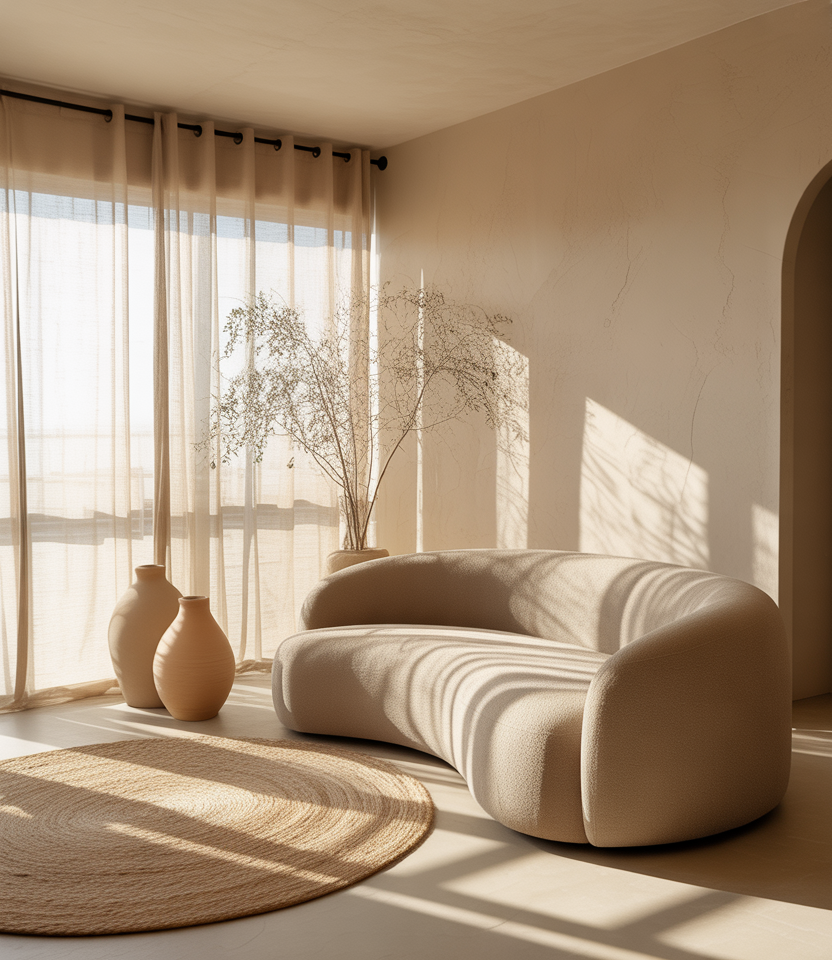
Expert-style commentary: organic minimalism succeeds when materials carry the aesthetic. Choose raw wood, stone, clay, and natural fibers to introduce quiet variation without relying on excess decoration.
15 Modern Wall Art Grids for Contemporary Focus
This idea creates impact through a curated contemporary grid of wall art paired with subtle minimal furnishings. Neutral frames and simple geometric prints allow the gallery wall to act as the centerpiece. Low-profile seating and understated lighting keep the focus on the art without overwhelming the room.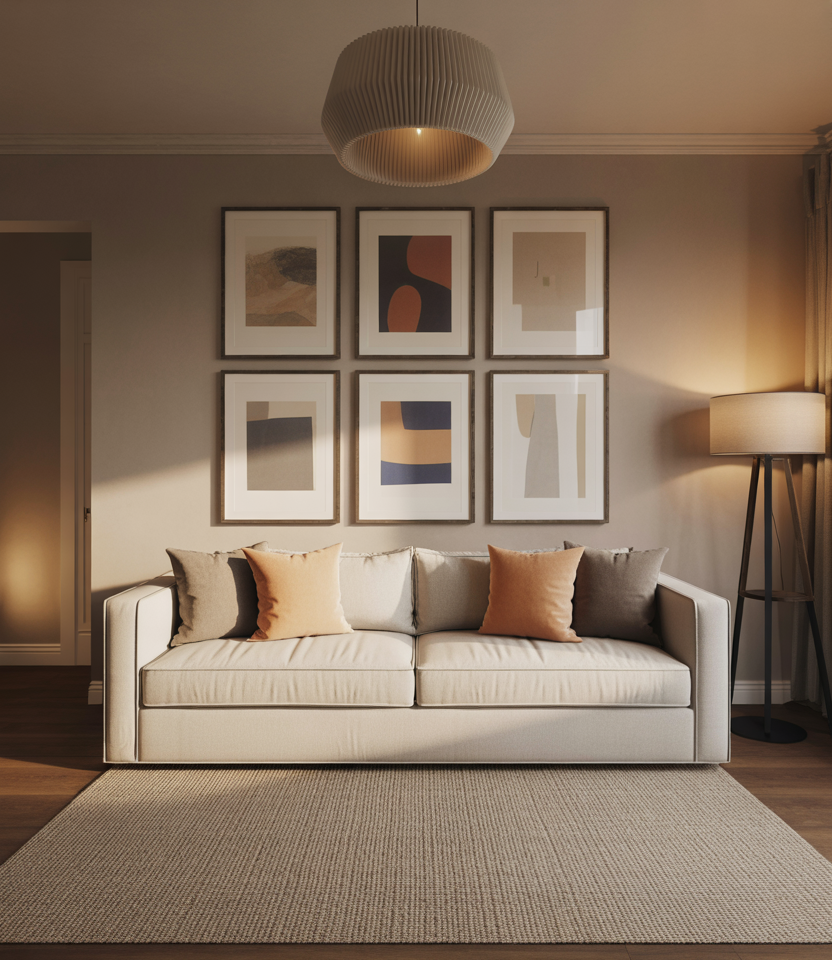
A common mistake is using oversized frames in a tight grid. To avoid imbalance, maintain even spacing and choose moderately sized pieces that won’t dominate the wall or disrupt sightlines.
16 Luxury Mid-Century Blend with Elevated Detailing
This style merges subtle luxury accents with refined midcentury shapes. Walnut consoles, brass hardware, and upholstered seating refine the room without becoming flashy. Light neutrals keep things current, while warm wood tones introduce familiar retro notes for balance and character.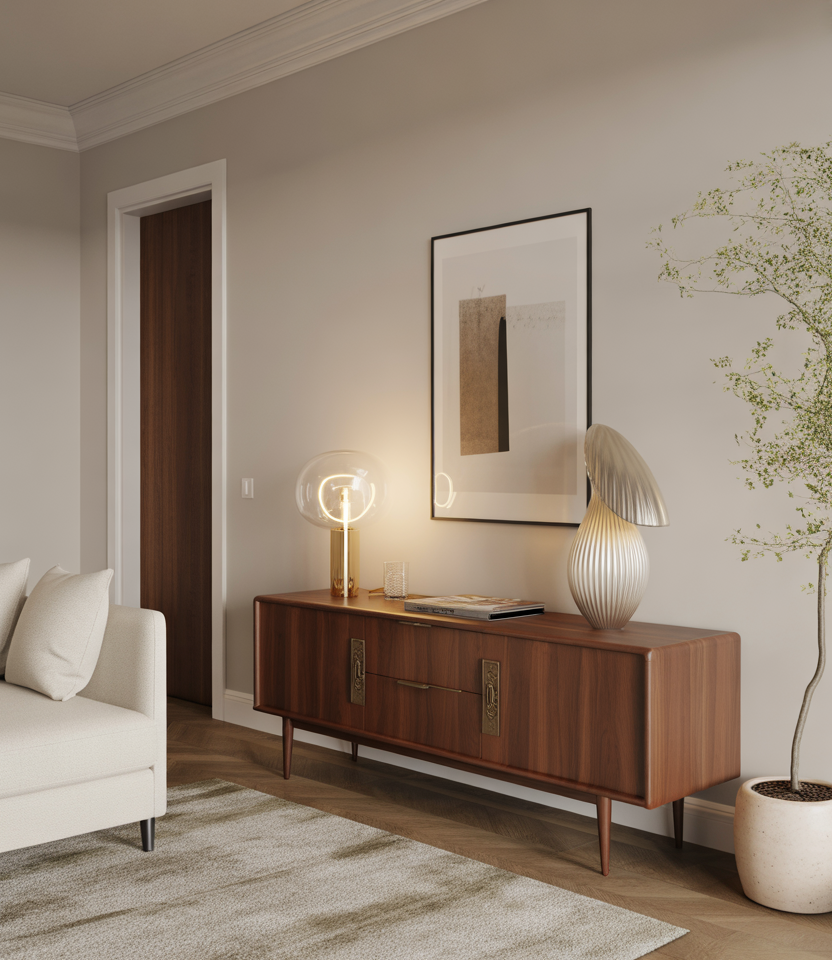
Budget angle: high-end materials like brass or marble can be incorporated in small doses—drawer pulls, trays, and accent tables—to achieve a luxurious feel without a hefty investment.
17 Japandi Harmony with Thoughtful Natural Light
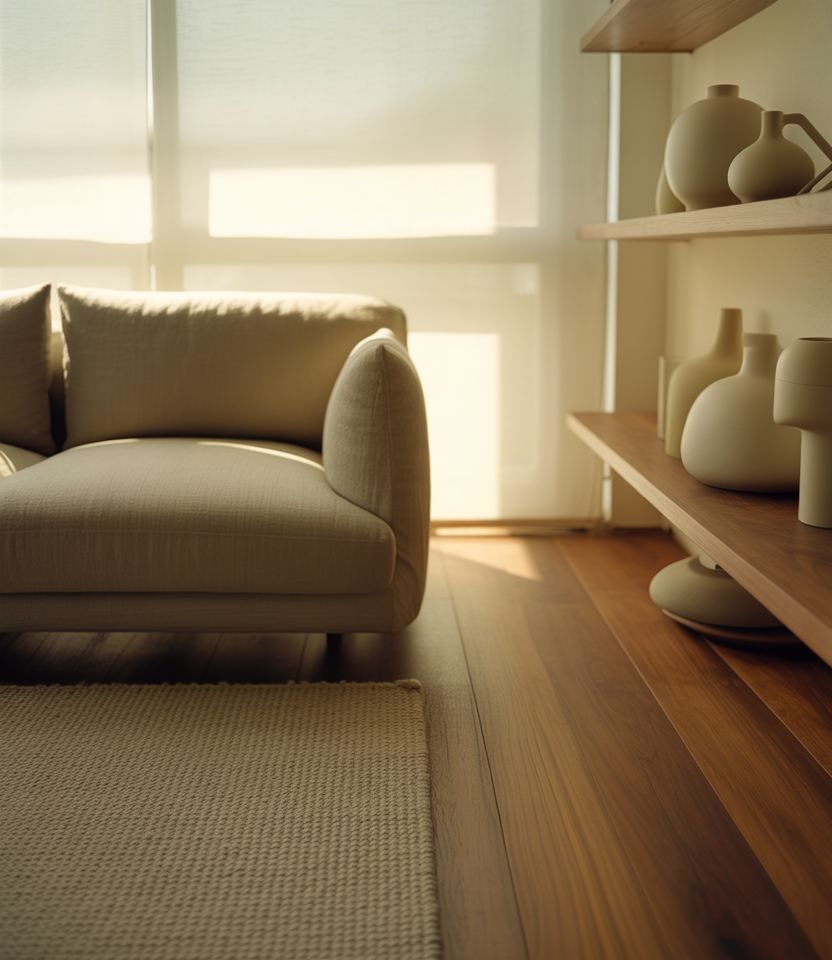 Combining Japandi calm with the latest understated textures, this design uses low furniture, warm woods, and delicate tonal variations. Open space is treated as a design tool, while matte surfaces keep the mood serene. A muted palette encourages relaxation and provides a consistent visual rhythm throughout the room.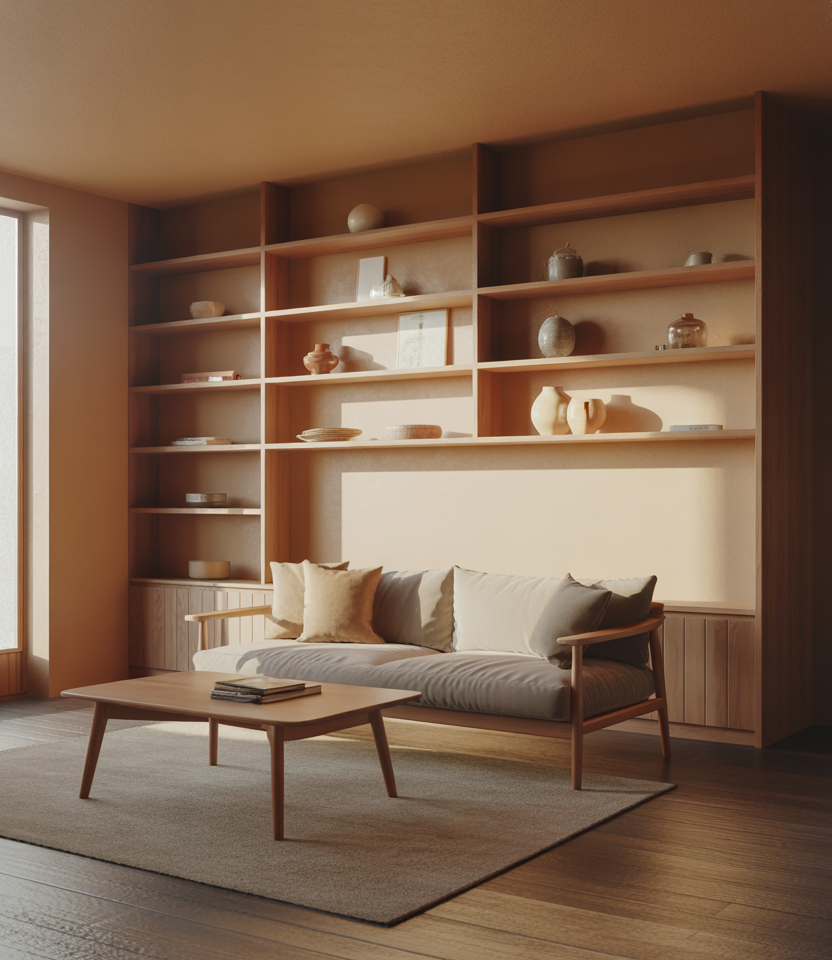
Real homeowner behavior: many people adopting Japandi styles simplify their décor over time, gradually removing items until only meaningful or functional pieces remain. This slow edit often produces the most authentic results.
18 Soft Modern Lounge with Minimalist Framing
This approach pairs fluid seating with minimalist artwork and a touch of 2025 tonal trend influence. Creams, warm grays, and deep charcoal accents give the living room a subtle, updated personality. Smooth contours keep the space relaxed and approachable, while crisp framing adds polish.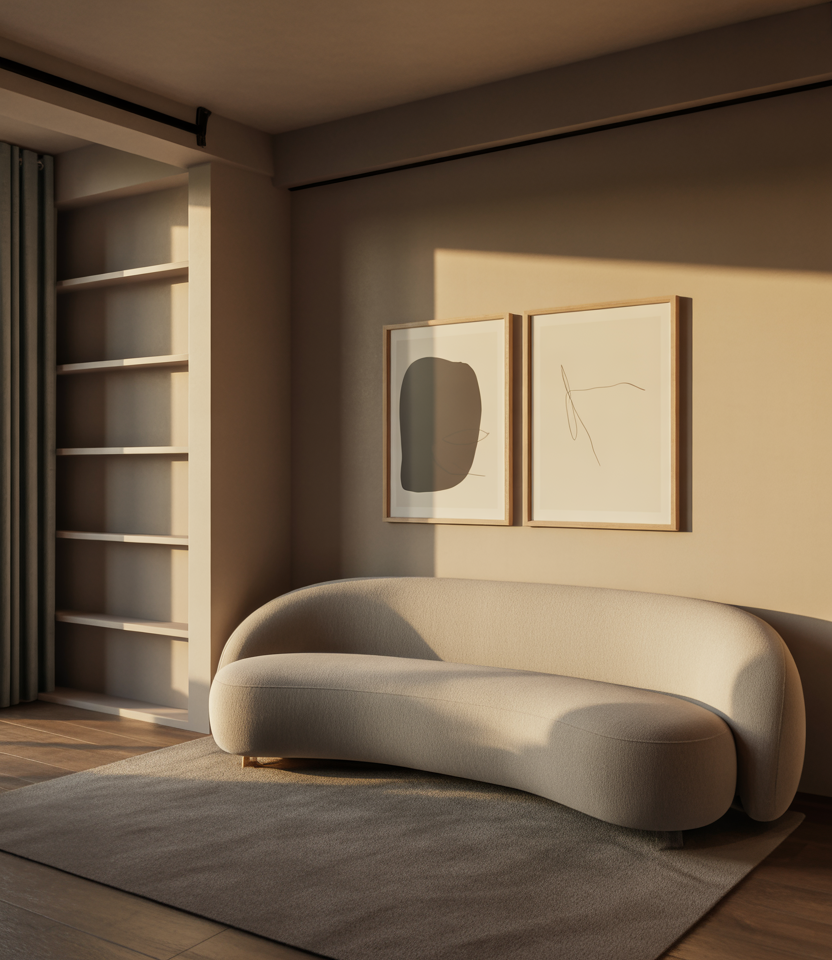
American regional context: in cooler climates, layering warm neutrals creates a comforting environment during long winters, helping the living room feel like a retreat during cold months.
19 Simple Modern Arrangements for Family-Friendly Flow
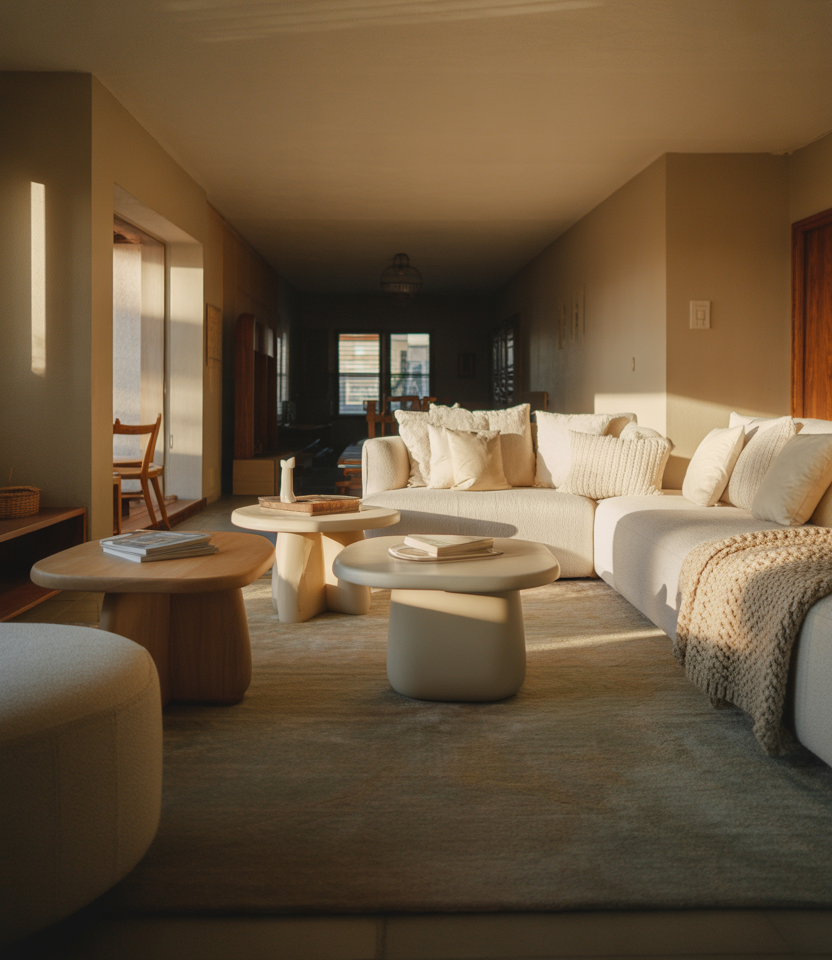 This design embraces simple planning and a touch of modern functionalism through modular seating and easy-to-clean finishes. Neutral fabrics, rounded edges, and low-maintenance materials make the space ideal for active households. The room remains stylish while accommodating everyday use and movement.
A practical insight: choose modular pieces that can adapt as family needs shift—especially helpful for small homes where flexibility makes a noticeable difference in daily comfort.
20 Indian Contemporary Layering with Clean Symmetry
This look merges Indian craftsmanship with refined contemporary structure. Symmetrical furniture placement anchors the room, while rich textures—woven fabrics, carved accents, warm woods—introduce cultural depth. Clean lines prevent visual overload, allowing the layered elements to shine clearly and cohesively.
A homeowner in Seattle told a story about how adding a carved Indian sideboard became the most important piece of furniture in her living room. It gave her a personal meaning and a visually grounding focal point that changed the whole layout.
21 Organic Contemporary Living with Soft Geometry
This design merges gentle curves from organic styling with the balanced lines of contemporary furniture. Rounded sofas, sculptural tables, and textured upholstery soften the room while maintaining a modern edge. Warm earth tones and matte finishes help make the space feel calm, grounded, and visually seamless.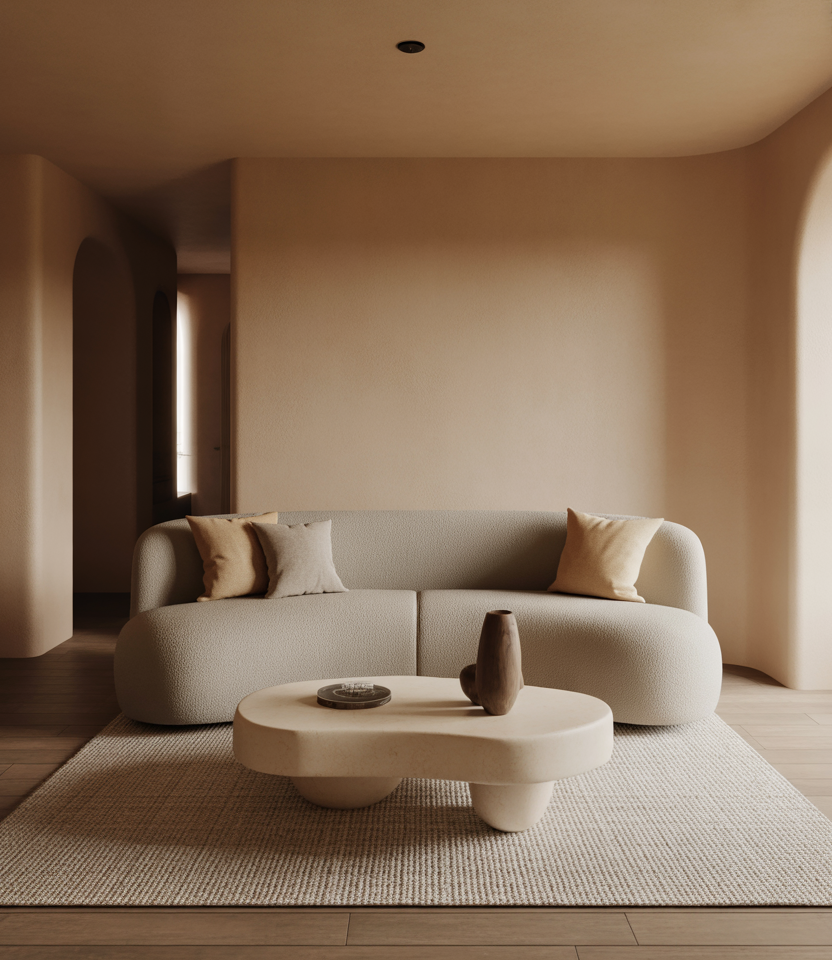
Where it works best: Homes with open layouts or loft-style apartments benefit from soft geometry because it breaks up angular architecture and creates smoother flow throughout the space.
22 Minimal Mid-Century Arrangements with Clean Lines
Here, streamlined mid-century shapes blend with a minimalist layout to create a crisp yet warm living room. A low wood TV console, tapered-leg chairs, and a simple neutral rug keep the room visually open. Pops of warm wood add character without distracting from the overall clean aesthetic.
A common mistake is mixing too many wood tones. Stick to one dominant wood color and let smaller accents vary subtly—this keeps the room cohesive instead of visually scattered.
23 Parisian-Inspired Living Rooms with Modern Neutrality
This idea mixes soft Parisian architecture with neutral modern furnishings. Light molding, airy drapery, and pale wood floors create an elegant shell, while simple sofas and subtle stone accents maintain a contemporary feel. The space feels elevated yet approachable, perfect for relaxed everyday living.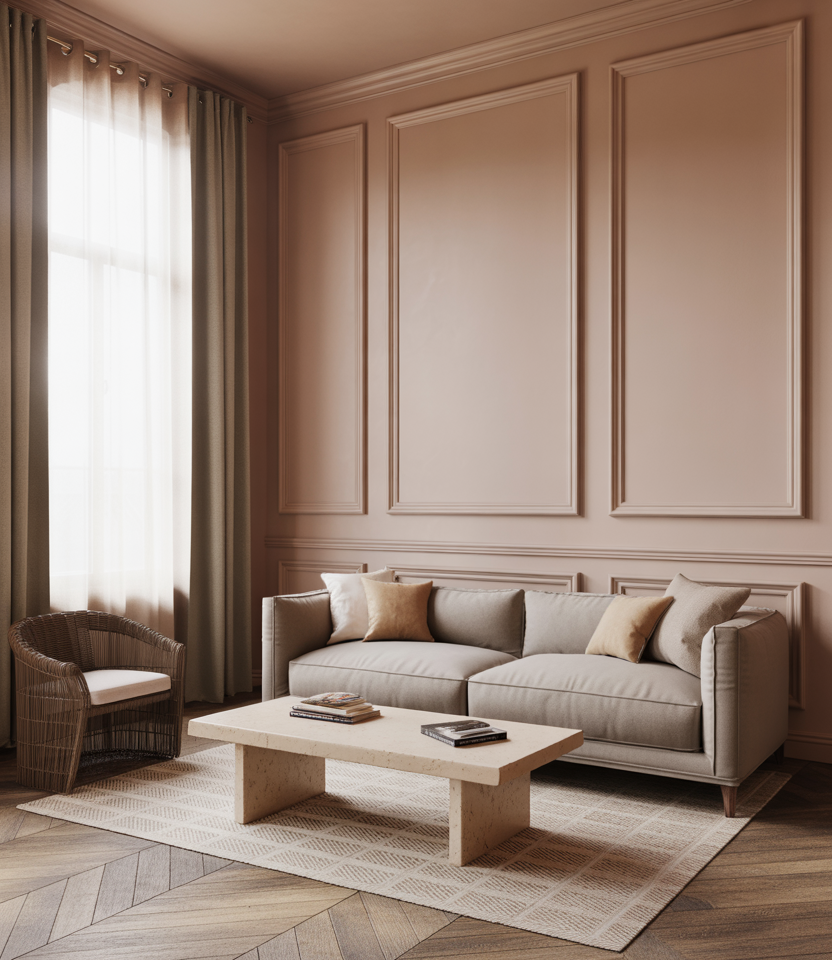
Real homeowner behavior shows that people often blend vintage and modern elements over time—letting the room evolve naturally creates a more authentic, lived-in look rather than a perfectly curated setup from day one.
24 Modern Decor Balance with Soft Minimal Layers
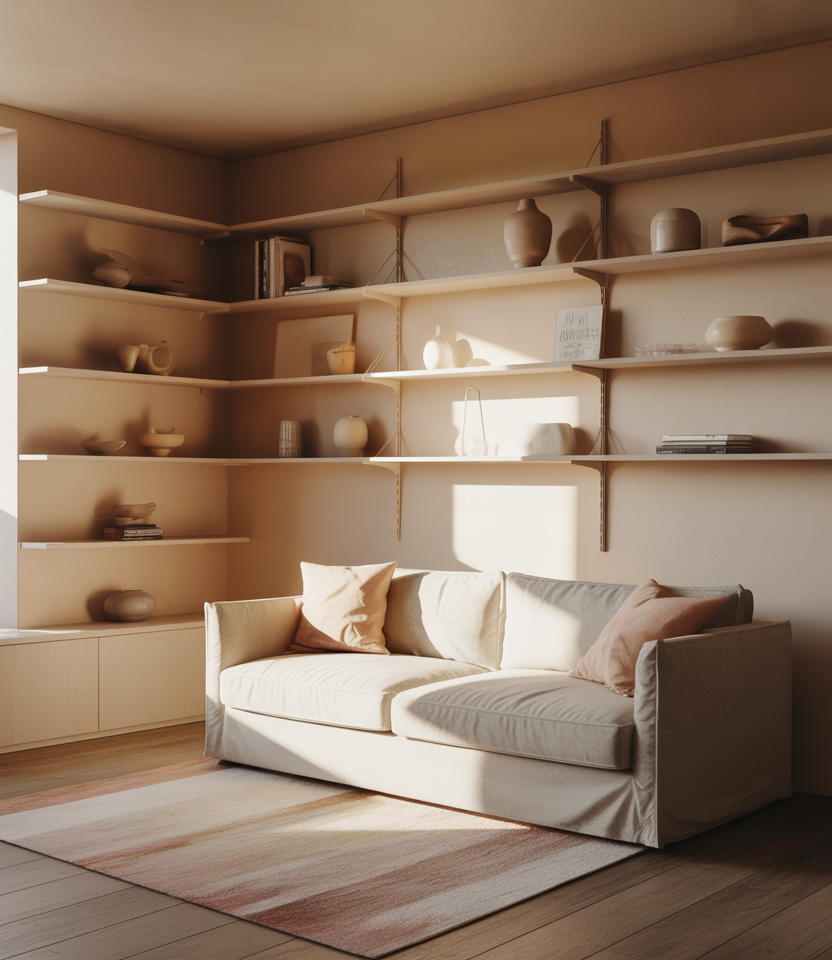 This style uses intentional decor placement paired with the airy approach of minimal layering. Neutral textiles, slim shelving, and subtle tonal shifts keep the living room feeling fresh. A soft modern sofa becomes the anchor, while delicate accents—ceramics, greenery, light woods—add comfort without clutter.
A value-driven practical insight: keeping decorative items grouped in small clusters instead of scattering them avoids a disorganized look and makes every accent feel purposeful and balanced.
Modern living room design in 2026 is all about intentionality—choosing shapes, materials, and colors that support how people truly live. If any of these ideas inspired you, share your thoughts in the comments and tell us which style you’d try in your own home.